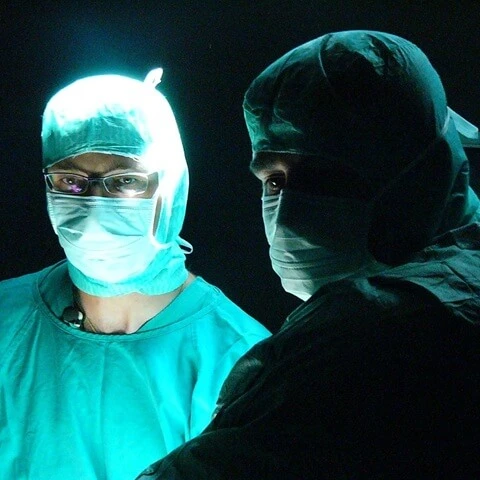
Imaging-Guided Cardiovascular Interventions: Precision Techniques and Clinical Outcomes in Complex Coronary and Structural Heart Diseases
Deadline for manuscript submissions:
20 Oct 2026 | Viewed by
715
Impact Factor:
3.899 | Citiescore:
2.4
Share This Special Issue
Special Issue Editors

Special Issue Information
Dear Colleagues,
Coronary artery disease remains the leading cause of mortality worldwide. In recent years, the integration of intracoronary imaging and coronary physiology has significantly transformed the diagnosis and management of coronary pathology. These advanced techniques enable precise, patient-specific assessment by differentiating among fixed atherosclerotic stenosis, coronary vasospasm, microvascular dysfunction, spontaneous coronary dissection, and plaque rupture or erosion.
Percutaneous coronary intervention (PCI), the most widely adopted myocardial revascularization strategy, has evolved considerably with the incorporation of intracoronary imaging modalities, drug-coated balloons, and bioresorbable scaffolds. These innovations have improved procedural guidance, optimized stent deployment, and enhanced long-term clinical outcomes.
Despite these advances, complex coronary anatomy—particularly coronary bifurcation lesions—continues to present significant procedural challenges and is associated with higher rates of restenosis and technical failure. Therefore, there remains a strong need for further research and refinement of imaging-guided and physiology-guided interventional strategies.
This Special Issue aims to highlight recent advances and emerging evidence in imaging-guided cardiovascular interventions, with a particular focus on improving outcomes in complex coronary and structural heart disease. Topics of interest include, but are not limited to:
- Management and optimization of coronary bifurcation lesions
- Applications of intracoronary imaging, including intravascular ultrasound (IVUS) and optical coherence tomography (OCT)
- Advances in coronary physiology assessment techniques
- Clinical applications of drug-coated balloons
- Development and outcomes of bioresorbable scaffolds (BRS)
We warmly invite the submission of original research articles, comprehensive reviews, and brief communications that contribute to this rapidly evolving field.
Guest Editor
Dr. Lawrence A Lavery
Keywords
- Imaging-guided cardiovascular interventions
- precision cardiology
- intracoronary imaging
- optical coherence tomography (OCT)
- intravascular ultrasound (IVUS)
- coronary physiology
- complex coronary artery disease
Benefits
Publishing in a Special Issue offers several advantages for authors and the wider research community:
- Improved navigation and accessibility: Grouping articles by focused themes helps readers and researchers efficiently explore and navigate broad-scope journals.
- Enhanced visibility and discoverability: Special Issues increase the reach of published research, making articles more discoverable and often leading to higher citation impact.
- Strengthening research collaboration: By bringing together researchers working on related topics, Special Issues promote networking and foster new scientific collaborations.
- Increased promotional support: Articles featured in Special Issues are often actively promoted through journal platforms and social media channels, further improving visibility within the scientific community.
- Republication opportunities: Selected successful Special Issues may be republished in book format, available both online and in print, providing extended dissemination of the work.
For additional details regarding Special Issue policies, please refer to the journal’s official guidelines.
Published Papers
Coming Soon