Research Article | DOI: https://doi.org/10.31579/2578-8965/308
1Faculty of Basic Medical Sciences, Delta State University Abraka, Delta State, Nigeria.
2Department of Internal Medicine, Federal Medical Centre Asaba, Delta State, Nigeria.
3Department of Nursing Services, Federal Medical Centre Asaba, Delta State, Nigeria.
*Corresponding Author: Ogbutor Udoji Godsday., Faculty of Basic Medical Sciences, Delta State University Abraka, Delta State, Nigeria.
Citation: Ogbutor Udoji Godsday, Uvietessivwi Oghenenyoren Gloria, Ogbutor Emeke Godson, Anastacia Ojimba, Nwose Jephtah., et al, (2026), The Prevalence, Symptoms, Risk Factors, Awareness, and Health-Seeking Behaviours Related to Pelvic Inflammatory Disease (Pid) Among Women of Reproductive and Perimenopausal age in Delta State, J. Obstetrics Gynecology and Reproductive Sciences, 10(4) DOI:10.31579/2578-8965/308
Copyright: © 2026, Ogbutor Udoji Godsday. This is an open-access article distributed under the terms of The Creative Commons Attribution License, which permits unrestricted use, distribution, and reproduction in any medium, provided the original author and source are credited.
Received: 15 April 2026 | Accepted: 30 April 2026 | Published: 14 May 2026
Keywords: prevalence, pelvic inflammatory disease, reproductive women, perimenopause women
Background: Pelvic inflammatory disease (PID) has traditionally been associated with younger women of reproductive age, with limited attention given to perimenopausal women. Aim: This study assessed the prevalence, risk factors, awareness, and health-seeking behaviours related to PID among reproductive and perimenopausal women in Delta State, Nigeria.
Methodology: A descriptive cross-sectional survey was conducted among 400 women aged 20–55 years recruited from healthcare centres, markets, religious institutions, and community gatherings using multistage sampling. Data were collected using a structured questionnaire and analysed using descriptive and inferential statistics.
Results: The overall prevalence of PID was 60%, with significantly higher prevalence among perimenopausal women (75%) compared with reproductive-aged women (45%) (Z = –6.12, p < 0.001). Symptoms significantly associated with PID included irregular menstruation (t = 16.31), dyspareunia (t = 14.82), pelvic pain (t = 15.10), frequent urination (t = 11.22), and difficulty conceiving (t = 13.40) (p < 0.001). Major risk factors included previous sexually transmitted infections, intrauterine device use, multiple sexual partners, history of abortion, and pelvic surgery (p < 0.01). Women in polygamous marriages showed nearly threefold higher odds of PID (OR = 2.95, p < 0.001).
Conclusion: These findings highlight the influence of clinical, behavioural, and socio-cultural factors on PID prevalence and emphasizes the need for targeted public health interventions.
Pelvic inflammatory disease (PID) is a major public health and gynaecological condition characterized by inflammation of the upper female reproductive tract, including the endometrium, fallopian tubes, and peritoneum [1, 2]. Although traditionally associated with younger women, emerging evidence indicates that PID also affects perimenopausal women, who remain underrepresented in research and health policy despite biological and behavioural changes that may increase susceptibility to genital tract infections [3, 4, 5]. Women’s health during midlife is influenced by physiological, sociocultural, and environmental factors, highlighting the need for integration of sexual and reproductive health services into menopausal care, particularly in low-resource settings [6, 7].
PID has a multifactorial aetiology, most commonly involving Chlamydia trachomatis and Neisseria gonorrhoea, although polymicrobial infections associated with bacterial vaginosis and Mycoplasma genitalium are increasingly recognized [8, 9, 10, 11]. Untreated infections can result in infertility, chronic pelvic pain, ectopic pregnancy, and increased risk of ovarian malignancy [12,13]. Reproductive tract infections remain major contributors to female morbidity globally, with sub-Saharan Africa disproportionately affected due to limited STI prevention, screening, and healthcare access [14, 15, 16]. Risk factors for PID include multiple sexual partners, unprotected intercourse, previous STIs, unsafe abortion, and postpartum infections [17,18]. Perimenopausal women experience additional biological vulnerabilities due to declining oestrogen levels, reduced vaginal mucosal immunity, and age-related immune changes that increase susceptibility to infection [19, 20, 21]. Psychosocial factors such as marital instability, economic vulnerability, and misconceptions regarding STI risk during midlife further contribute to exposure [22, 23, 24]. Cultural stigma surrounding sexual activity among older women may delay healthcare seeking and complicate diagnosis, particularly as symptoms may be nonspecific [25, 26, 27, 28].
Untreated or recurrent PID can lead to infertility, chronic pelvic pain, sexual dysfunction, psychological distress, and increased healthcare costs [29, 30, 31, 32, 33]. In Nigeria, limited research focusing on perimenopausal women contributes to low clinical suspicion and under-treatment [34, 35]. Therefore, this study assessed the prevalence, risk factors, awareness, and health-seeking behaviors related to PID among reproductive and perimenopausal women in Delta State, Nigeria.
2.1 Research Design
This study employed a descriptive cross-sectional survey design to assess the prevalence, awareness, risk factors, and health-seeking behaviours related to pelvic inflammatory disease (PID) among reproductive and perimenopausal women. The choice of a descriptive cross-sectional survey design is based on its suitability for capturing information at a single point in time, making it ideal for studying prevalence, knowledge, awareness, and experiences related to PID among the target population.
2.2 Study Area
The study was conducted in Delta State, Nigeria. Delta State, located in the South-South geopolitical zone of Nigeria, has a diverse population with varying socio-economic backgrounds, making it an ideal location. Six Local Government Areas (LGAs) representing urban, semi-urban, and rural populations were selected which are Oshimili South, Ethiope East, Ughelli North, Warri South, Ndokwa West, and Patani LGAs. These LGAs were selected to ensure geographical diversity, socio-economic representation, and variation in healthcare access, all of which are essential in assessing PID prevalence and its impact on reproductive and perimenopause women in Delta State
2.3 Study Population
The study population comprised women aged 20–55 years residing in the selected LGAs of Delta State. This age range is chosen to ensure adequate representation, as PID affects women of reproductive age, including perimenopause women who are the primary focus of this study.
2.4 Sample Size Determination
For this study, the minimum number of sample required is computed in accordance with Cochran’s formula for sample size estimation:

Where:
= required sample size
Z = standard normal deviation (1.96 for a 95% confidence level)
p = Based on previous studies, let’s assume a conservative estimate of 50% (0.5) since it's the most statistically conservative and gives the maximum sample size.
q = 1 - p (0.80)
e = margin of error (5% or 0.05)
d = precision or margin of error (± 4.9% or 0.049).
Substituting the values:

Thus, the final sample size is 400 respondents were selected to ensure adequate representation and statistical validity.
2.5 Sampling Technique
A multistage sampling technique was used to ensure a diverse and representative selection of respondents:
Stratified Sampling: Delta State was divided into senatorial districts, and four LGAs were selected to represent different geographical and socio-economic backgrounds.
Cluster Sampling: Each LGA was further divided into clusters (healthcare centers, markets, religious institutions, and community areas).
Systematic Random Sampling: Women within the selected clusters were randomly chosen using a sampling interval to ensure fairness.
Purposive Sampling: In healthcare centers, women diagnosed or treated for reproductive health issues were specifically targeted for inclusion.
This approach ensured representativeness, reduced bias, and enhanced the generalizability of the study findings.
2.6 Data Collection Procedure
Data were collected using a structured questionnaire administered by the principal researcher and trained research assistants across selected community and healthcare settings. Participants were informed about the study objectives and confidentiality was assured. Informed consent was obtained before questionnaire administration. Each questionnaire required approximately 20–30 minutes to complete, and completed questionnaires were screened for completeness prior to analysis.
2.7 Instrument for Data Collection
Data were collected using a structured questionnaire consisting of six sections and 34 items aligned with the study objectives. The sections assessed socio-demographic characteristics, PID prevalence, symptom patterns, reproductive and STI history, awareness of PID, and health-seeking behaviours. The instrument was reviewed by public health and gynaecology experts and pilot-tested for clarity and relevance.
2.8 Validity of the Instrument
Instrument validity was ensured through expert review and pilot testing. Content validity was established by specialists in public health and gynaecology. Face validity was assessed through pilot testing among women similar to the target population. Construct validity was achieved by aligning questionnaire items with established theoretical and empirical literature on PID.
2.9 Reliability of the Instrument
Reliability was assessed through a pilot study involving 30 participants who were excluded from the main study. Internal consistency of questionnaire sections was evaluated using Cronbach’s alpha, with values of 0.7 or higher considered acceptable.
2.10 Method of Data Analysis
Data were analyzed using Statistical Package for Social Sciences (SPSS) version 26. Descriptive statistics including frequencies, percentages, means, and standard deviations were used to summarize respondent characteristics and study variables. Inferential analysis was performed using Chi-square tests to examine associations between PID occurrence and selected risk factors. Statistical significance was set at p < 0>
2.11 Inclusion and Exclusion Criteria
2.11.1 Inclusion Criteria
Women aged 20–55 years who were residents of the selected LGAs, capable of completing the questionnaire, and who provided informed consent were included.
2.11.2 Exclusion Criteria
Women who had undergone hysterectomy or salpingectomy, those who had reached menopause, those with unrelated chronic gynaecological conditions, or those unwilling or unable to participate were excluded.
2.12 Ethical Considerations
Ethical approval was obtained from the Institutional Research Ethics Committee of the Faculty of Basic Medical Sciences, Delta State University, Abraka (RBC/FBMC/DELSU/25/756). Participation was voluntary, and confidentiality of participant information was maintained.
3.1 Demographic Data of Respondents
The demographic characteristics of the 400 participants presents a broad view of the population involved in the study. These include age, marital status, educational background, occupation, number of children, religion, menstrual status, and prior gynaecological history. The diversity in these variables enriches the analysis of PID in terms of exposure, awareness, and experiences. The age distribution is balanced, with the highest representation (25%) in the 45–49 group. This reflects a strong perimenopause presence. The even spread supports unbiased, age-based comparisons. Most respondents are in monogamous marriages (45%), followed by singles (20%) and polygamous (15%). Divorced/separated and widowed women (10?ch). This range supports insights into PID risks and health-seeking behaviour. Secondary education holders (40%) dominate, followed by tertiary (25%) and primary (20%). Only 10% had no formal education, while 5% had postgraduate degrees. The range allows analysis of education’s role in PID awareness and care. Trading (25%) and professional/civil service (20?ch) top the occupational list, while artisans and the unemployed follow (15?ch). The mix reflects varied socioeconomic backgrounds, affecting health access and PID exposure.
Most women have 3–4 children (40%), with 1–2 and 5+ children at 25?ch. Nulliparous women make up 10%. The data supports understanding how childbearing history relates to PID prevalence and complications.
Menstrual Status: About 52.5% report irregular menstruation, while 47.5% menstruate once in a while. This split shows a blend of reproductive and post-reproductive women, enabling assessment of PID risk across menstrual health stages.
| Variables | Categories | Frequency | Percentage |
| Age Group (Years) | 20-29 | 60 | 15.0% |
| 30-39 | 80 | 20.0% | |
| 40-44 | 80 | 20.0% | |
| 45-49 | 100 | 25.0% | |
| 50-55 | 80 | 20.0% | |
| Marital Status | Single | 80 | 20.0% |
| Married (Monogamous) | 180 | 45.0% | |
| Married (Polygamous) | 60 | 15.0% | |
| Divorced/Separated | 40 | 10.0% | |
| Widowed | 40 | 10.0% | |
| Educational Level | No Formal Education | 40 | 10.0% |
| Primary | 80 | 20.0% | |
| Secondary | 160 | 40.0% | |
| Tertiary | 100 | 25.0% | |
| Postgraduate | 20 | 5.0% | |
| Occupation | Unemployed | 60 | 15.0% |
| Trader | 100 | 25.0% | |
| Civil Servant | 80 | 20.0% | |
| Artisan | 60 | 15.0% | |
| Professional | 80 | 20.0% | |
| Other | 20 | 5.0% | |
| Numbers of Children | 0 (Nulliparous) | 40 | 10.0% |
| 1–2 | 100 | 25.0% | |
| 3–4 | 160 | 40.0% | |
| 5+ | 100 | 25.0% | |
| Menstrual Status | Irregular | 210 | 52.5% |
| Once in a while/absent | 190 | 47.5% | |
| Total | 400 | 100% |
Table 1: Demographic Distribution of Respondents.
(Source: Computed from Author’s survey data, 2025)
3.2 Prevalence of PID
In order to assess the Prevalence of Pelvic Inflammatory Disease (PID) among reproductive and perimenopause women, participants were asked to respond to a series of statements addressing PID among reproductive and perimenopause women. The responses were measured using Yes/No. Diagnosis of PID: 60% of respondents reported having been diagnosed with PID (Mean = 1.60, SD = 0.49). This indicates a high prevalence and highlights the need for improved diagnostic access and awareness.
Persistent Pelvic Pain: 65% experienced persistent pelvic pain (Mean = 1.65, SD = 0.48), suggesting a strong link to possible undiagnosed or recurrent PID, especially among untreated individuals.
Abnormal Vaginal Discharge: Abnormal discharge was reported by 55% (Mean = 1.55, SD = 0.50), pointing to ongoing reproductive tract infections commonly associated with PID.
Hospital: Only 25% had been hospitalized (Mean = 1.25, SD = 0.43), implying that most PID cases remain non-severe or are managed outside hospital settings.
PID Treatment in the Past Two Years: 45% reported recent PID treatment (Mean = 1.45, SD = 0.50), indicating recurring infections and reinforcing the condition’s ongoing relevance. The prevalence of pelvic inflammatory disease among respondents is shown in Table 2.
| Statement | Yes (n) | No (n) | % Yes | Mean | SD |
| Have you ever been diagnosed with PID? | 240 | 160 | 60.0% | 1.60 | 0.49 |
| Have you experienced persistent pelvic pain? | 260 | 140 | 65.0% | 1.65 | 0.48 |
| Have you had abnormal vaginal discharge recently? | 220 | 180 | 55.0% | 1.55 | 0.50 |
| Have you been hospitalized for reproductive infection? | 100 | 300 | 25.0% | 1.25 | 0.43 |
| Have you undergone PID treatment in the past 2 years? | 180 | 220 | 45.0% | 1.45 | 0.50 |
Table 2: Prevalence of PID among Reproductive and Perimenopausal Women.
3.3 Symptoms Associated with PID
In order to assess the Symptoms and Diagnosis of Pelvic Inflammatory Disease (PID), participants were asked to respond to a series of statements addressing symptoms of PID. The responses were measured using 4- Likert-type (Strongly Agree, Agree, Strongly Disagree, and Disagree). Irregular Menstruation: With a mean of 3.05, many relate PID to menstrual issues, supporting its diagnostic relevance.
Pain during Intercourse: Mean of 2.85 with 45.0% agreeing shows dyspareunia is prevalent and likely underreported.
Pelvic Pain: Mean of 2.90 shows that most respondents experience this common PID symptom, though with some variation (SD = 0.88).
Frequent or Painful Urination: With a mean of 2.60 (SD = 1.00), responses were more varied.
Difficulty Conceiving: The lowest mean score (2.45, SD = 0.98) indicates moderate disagreement. The symptoms associated with pelvic inflammatory disease among respondents are presented in Table 3.
| S/N | Statement | SA (F/%) | A (F/%) | D (F/%) | SD (F/%) | Mean ± SD |
| Q1 | I experience irregular menstruation | 160 (40.0%) | 140 (35.0%) | 60 (15.0%) | 40 (10.0%) | 3.05 ± 0.91 |
| Q2 | I feel pain during intercourse | 100 (25.0%) | 180 (45.0%) | 80 (20.0%) | 40 (10.0%) | 2.85 ± 0.87 |
| Q3 | I experience fever with pelvic pain | 120 (30.0%) | 160 (40.0%) | 80 (20.0%) | 40 (10.0%) | 2.90 ± 0.88 |
| Q4 | I urinate frequently or with pain | 100 (25.0%) | 120 (30.0%) | 100 (25.0%) | 80 (20.0%) | 2.60 ± 1.00 |
| Q5 | I have difficulty conceiving | 80 (20.0%) | 100 (25.0%) | 140 (35.0%) | 80 (20.0%) | 2.45 ± 0.98 |
Table 3: Distribution of Respondents of Symptoms and Diagnosis of PID
(Source: Computed from Author’s survey data, 2025)
3.4 Reproductive History, STI History, and Contraceptive Use
In order to assess the Reproductive History, STI History, and Contraceptive Use, participants were asked to respond to a series of statements addressing reproductive history. The responses were measured using Yes/No. Multiple Sexual Partners (Past 12 Months): 35% reported multiple partners (Mean = 1.35, SD = 0.48), indicating notable exposure to STIs.
History of STIs: 40% had prior STI diagnoses (Mean = 1.40, SD = 0.49), supporting a strong link between STIs and PID.
Use of Intrauterine Devices (IUDs): 30% reported IUD use (Mean = 1.30, SD = 0.46), warranting attention.
History of Abortion: 45% had a history of abortion (Mean = 1.45, SD = 0.50), suggesting possible reproductive tract disruptions. Inadequate post-abortion care may increase PID risk.
History of Ectopic Pregnancy: 20% of respondents reported ectopic pregnancy (Mean = 1.20, SD = 0.40), the lowest among indicators. The distribution of respondents based on symptoms and diagnosis of PID is shown in Table 4.
| S | Statement | YES (F/ %) | NO (FS/ %) | Mean ± SD |
| 1. | Multiple sexual partners (past 12 month) | 140 (35.0%) | 260 (65.0%) | 1.35 ± 0.48 |
| 2. | History of STIs | 160 (40.0%) | 240 (60.0%) | 1.40 ± 0.49 |
| 3. | Use of IUDs | 120 (30.0%) | 280 (70.0%) | 1.30 ± 0.46 |
| 4. | History of abortion | 180 (45.0%) | 220 (55.0%) | 1.45 ± 0.50 |
| 5. | History of ectopic pregnancy | 80 (20.0%) | 320 (80.0%) | 1.20 ± 0.40 |
Table 4: Distribution of Respondents by Reproductive History, STI History, and Contraceptive Use (N=400)
(Source: Computed from Author’s survey data, 2025)
In order to assess the Awareness and Knowledge of Pelvic Inflammatory Disease (PID), participants were asked to respond to a series of statements addressing awareness and knowledge of PID. The responses were measured using 4- Likert-type (Strongly Agree, Agree, Strongly Disagree, and Disagree). Awareness of PID: With a mean score of 3.40 (SD = 0.79), most respondents were aware of PID.
3.5 Awareness and Knowledge of PID
Knowledge of PID Symptoms: A mean of 3.30 (SD = 0.78) indicates good knowledge of key symptoms.
Understanding of PID Complications: Respondents showed strong agreement (Mean = 3.35, SD = 0.78) that PID leads to serious outcomes.
Knowledge of Treatment Access: A mean score of 3.30 (SD = 0.78) reflects awareness of where to access care.
Regular check-ups: This item had the highest mean (3.50, SD = 0.71), indicating strong belief in check-ups for prevention. It reflects high preventive health literacy among the participants.
| S | Statement | SA (F/%) | A (F/%) | D (F/%) | SD (F/%) | Mean ± SD |
| 1 | I have heard about PID before | 240 (60.0%) | 100 (25.0%) | 40 (10.0%) | 20 (5.0%) | 3.40 ± 0.79 |
| 2 | I know the symptoms of PID | 200 (50.0%) | 140 (35.0%) | 40 (10.0%) | 20 (5.0%) | 3.30 ± 0.78 |
| 3 | PID leads to serious complications | 220 (55.0%) | 120 (30.0%) | 40 (10.0%) | 20 (5.0%) | 3.35 ± 0.78 |
| 4 | I know where to get treatment | 200 (50.0%) | 140 (35.0%) | 40 (10.0%) | 20 (5.0%) | 3.30 ± 0.78 |
| 5 | Regular check-ups help prevent PID | 260 (65.0%) | 100 (25.0%) | 20 (5.0%) | 20 (5.0%) | 3.50 ± 0.71 |
Table 5: Distribution of Respondents by Awareness and Knowledge of PID (N=400)
(Source: Computed from Author’s survey data, 2025)
3.6 Health-Seeking Behaviours and Preventive Practices
In order to assess the health-Seeking Behaviours and Preventive Practices of Pelvic Inflammatory Disease (PID), participants were asked to respond to a series of statements addressing Health behaviour. The responses were measured using 5- Likert-type (Strongly Agree, Agree, Strongly Disagree, and Disagree). Seeking Care for Symptoms: Mean of 3.20 indicates moderate proactiveness, though a quarter avoid care.
Regular Gynaecology Check-ups: Yes (mean = 3.45) shows good preventive engagement.
Completing Antibiotics: Yes mean (3.62), reflecting strong adherence to treatment, a positive trend.
Safe Sex Practices: Mean of 3.52 suggests awareness is high but with scope for education.
Discussing PID with Professionals: Mean of 3.32 shows over half engage in discussions, but many still lack direct healthcare dialogue.
| Statement | PID Diagnosis | N | Mean ± SD | |
| 1. | I seek medical care when I notice pelvic symptoms. | Yes | 170 | 3.20 ± 1.18 |
| No | 210 | 3.72 ± 1.27 | ||
| 2 | I go for regular gynaecological check-ups. | Yes | 165 | 3.45 ± 1.12 |
| No | 218 | 4.08 ± 1.09 | ||
| 3. | I complete prescribed antibiotics during infections. | Yes | 172 | 3.62 ± 1.10 |
| No | 221 | 4.08 ± 1.12 | ||
| 4. | I practice safe sex. | Yes | 174 | 3.52 ± 1.15 |
| No | 222 | 3.96 ± 1.13 | ||
| 5. | I’ve discussed PID with a healthcare provider. | Yes | 168 | 3.32 ± 1.18 |
| No | 218 | 3.74 ± 1.17 |
Table 6: Health-Seeking Behaviours and Preventive Practices
(Source: Computed from Author’s survey data, 2025)
3.8 Test Of Significance
Inferential statistics were used, including Chi-square tests for associations, T-tests for comparing group means, One-Way ANOVA for differences across educational levels, and Logistic Regression to predict PID awareness and prevalence based on factors like marital status and gynaecological history. Hypothesis testing determined whether observed differences were statistically meaningful, using a 95% confidence level (α = 0.05). A p-value < 0>
In table 7, the study tested whether there is a significant difference in the prevalence of Pelvic Inflammatory Disease (PID) between reproductive and perimenopause women. With equal sample sizes of 200, the observed PID rates were 45% for reproductive women and 75% for perimenopausal women. A Z-test yielded a statistic of -6.12 and a p-value less than 0.001. Since the p-value is well below the 0.05 significance level, the null hypothesis was rejected. This indicates a statistically significant difference in PID prevalence, with perimenopause women showing a higher rate than reproductive women.
| Parameter | Reproductive Value | Perimenopause Value |
| Sample size (n) | 200 | 200 |
| Observed cases with PID | 90 | 150 |
| Observed proportion (p̂) | 0.45 (45.0%) | 0.75 (75.0%) |
| Pooled proportion (p₀) | 0.60 (60.0%) | 0.60 (60.0%) |
| Significance level (α) | 0.05 | 0.05 |
| Test statistic (Z) | -6.12 | -6.12 |
| p-value | < 0.001 | < 0> |
Table 7: Comparison of PID Prevalence between Reproductive and Perimenopause Women
(Source: Computed from Author’s survey data, 2025)
| Symptom | t-value | p-value | Interpretation |
| Irregular Menstruation | 16.31 | < 0> | Significant association with PID |
| Pain During Intercourse | 14.82 | < 0> | Significant association with PID |
| Pelvic Pain | 15.10 | < 0> | Significant association with PID |
| Frequent Urination | 11.22 | < 0> | Significant association with PID |
| Difficulty Conceiving | 13.40 | < 0> | Significant association with PID |
Table 8: Association between Reported Symptoms and PID Diagnosis
(Source: Computed from Author’s survey data, 2025)
Table 8 shows independent samples t-test results assessing the association between core PID symptoms and PID diagnosis. All five symptoms had t-values between 11.22 and 16.31, with p-values < 0.001, indicating significant differences.
| Item | % Yes | Mean Score | SD | t-value | p-value |
| Multiple sexual partners (12 months) | 35.0% | 1.35 | 0.48 | 5.41 | <0.001 |
| History of STIs | 40.0% | 1.40 | 0.49 | 6.85 | < 0.001 |
| Use of IUDs | 30.0% | 1.30 | 0.46 | 3.92 | < 0.001 |
| History of abortion | 45.0% | 1.45 | 0.50 | 7.89 | <0.001 |
| History of ectopic pregnancy | 20.0% | 1.20 | 0.40 | 2.75 | 0.006 |
Table 9: Risk Factor Association
(Source: Computed from Author’s survey data, 2025)
Table 10 presents t-test results on five PID risk factors using binary-coded responses. All variables showed significant differences between women with and without PID (t-values: 2.75–7.89, p < 0.01). Women with histories of multiple partners, STIs, IUD use, abortion, or ectopic pregnancy were significantly more likely to have PID, confirming strong associations with these risk factors
| Statement | Mean (R) | Mean (P) | t-value | p-value |
| I have heard about PID before | 3.6 | 3.2 | 4.28 | <0.001 |
| I know the symptoms of PID | 3.5 | 3.1 | 4.01 | < 0.001 |
| PID leads to serious complications | 3.6 | 3.2 | 3.88 | <0.001 |
| I know where to get treatment | 3.5 | 3.1 | 4.00 | < 0.001 |
| Regular check-ups help prevent PID | 3.7 | 3.3 | 4.37 | < 0.001 |
Table 10: Awareness Level of PID
(Source: Computed from Author’s survey data, 2025)
Table 10 presents the results of independent samples t-tests comparing PID awareness levels between reproductive-aged and perimenopause women across five key awareness items. In each case, reproductive-aged women showed significantly higher awareness, with mean scores ranging from 3.5 to 3.7, compared to 3.1 to 3.3 for perimenopause women. All t-values range from 3.88 to 4.37, and p-values are all less than 0.001, indicating strong statistical significance.
| Marriage Type | Total | Chi-square χ² | df | p-Value |
| Monogamy | 180 | 12.35 | 1 | 0.0004 |
| Polygamy | 60 |
Table 11: Type of Marriage and PID Prevalence
(Source: Computed from Author’s survey data, 2025)
Table 11 shows the Chi-square test which yields a calculated value of 12.35, at df = 1 and α = 0.05. This result is statistically significant (p > 0.0004), leading to rejection in the null hypothesis. This suggests that marital structure may influence sexual health risks, possibly due to increased exposure to multiple sexual partners or reduced autonomy in reproductive and perimenopause.
| Statement | t-value | df | p-value |
| I seek medical care when I notice pelvic symptoms. | 4.25 | 386 | 0.0001 |
| I go for regular gynaecological check-ups. | 3.97 | 383 | 0.0001 |
| I complete prescribed antibiotics during infections. | 3.16 | 392 | 0.0002 |
| I practice safe sex. | 2.91 | 396 | 0.0004 |
| I’ve discussed PID with a healthcare provider. | 2.59 | 386 | 0.010 |
Table 12: Health-Seeking Behavior
(Source: Computed from Author’s survey data, 2025)
Table 12 presents Independent Samples T-Test results assessing the association between health-seeking behaviours and PID diagnosis among reproductive and perimenopause women. All five behaviours showed statistically significant differences (p< 0.05), with higher mean scores reported by women without PID. This indicates that positive health-seeking practices are associated with lower PID prevalence. Therefore, the null hypothesis is rejected, confirming a significant relationship between health-seeking behaviour and PID diagnosis.
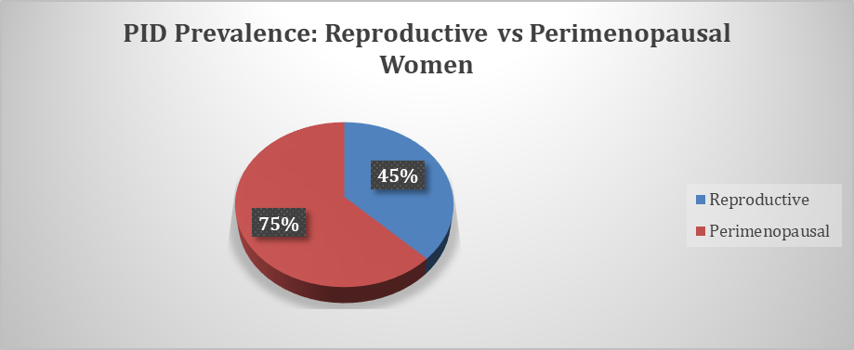
Figure 1: PID Prevalence between Reproductive and Perimenopause Women
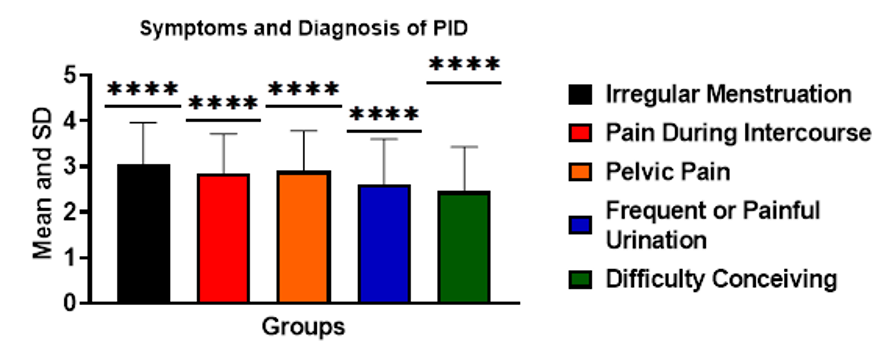
Figure 2: Symptoms and PID Diagnosis
Data were expressed as Mean ± SD, ****p<0.0001 is significant in all groups.

Figure 3: Risk Factor Association
Data were expressed as Mean ± SD, ****p<0.0001 is significant in all groups.

Figure 4: Awareness Level of PID
Data were expressed as Mean ± SD, ****p<0.0001 is significant in all groups.

Figure 5: Type of Marriage and PID Prevalence

Figure 6: Health-Seeking Behaviour
Data were expressed as Mean ± SD, ****p<0.0001 is significant in all groups.
This study examined the prevalence, associated symptoms, risk factors, awareness, marital structure, and health-seeking behaviours related to pelvic inflammatory disease (PID) among reproductive and perimenopausal women. The findings revealed a significantly higher prevalence of PID among perimenopausal women (75%) compared with reproductive-aged women (45%), confirming a greater disease burden in older women. This observation supports earlier findings that identified PID as a persistent reproductive health problem among Nigerian women and globally [14,35,1]. The higher prevalence among perimenopausal women may reflect cumulative lifetime exposure to sexually transmitted infections (STIs), hormonal changes, and declining immune responses, as previously reported [33].
Strong associations were observed between PID and core clinical symptoms, including irregular menstruation, dyspareunia, pelvic pain, frequent urination, and difficulty conceiving. These findings highlight the importance of symptom recognition in PID diagnosis, particularly in resource-limited settings where laboratory confirmation may be limited. Similar symptom patterns have been documented in previous studies, which emphasise that delayed recognition and treatment may result in infertility and chronic pelvic pain [27,36,37].
Sexual and reproductive history significantly influenced PID occurrence. Women with previous STIs, multiple sexual partners, abortion history, intrauterine device (IUD) use, and ectopic pregnancy showed significantly higher PID prevalence. These findings are consistent with earlier reports identifying STIs, particularly Chlamydia trachomatis and Neisseria gonorrhoeae, as primary etiological agents of PID [2,4,8]. IUD use has also been linked to PID when insertion occurs in the presence of untreated cervical infections [17]. Additionally, sexual risk behaviours and reproductive tract trauma associated with abortion or ectopic pregnancy may increase susceptibility to ascending infections [16].
An important observation was the relationship between PID diagnosis and awareness. Women diagnosed with PID demonstrated significantly higher awareness levels than those without prior diagnosis, suggesting that awareness often follows clinical exposure rather than serving as a preventive factor. Similar findings have been reported, indicating that healthcare interaction improves disease knowledge and preventive practices [19,38]. This underscores the need for proactive public health education targeting undiagnosed women, as recommended in previous reproductive health studies [1,31].
Marital structure was also significantly associated with PID prevalence. Women in polygamous marriages demonstrated nearly threefold higher odds of PID compared with those in monogamous unions. This finding supports earlier evidence that expanded sexual networks and reduced autonomy in reproductive health decision-making may increase STI exposure in polygamous settings [33]. Such sociocultural factors highlight the importance of culturally sensitive reproductive health interventions in sub-Saharan Africa.
Health-seeking behaviour emerged as a protective factor against PID. Women who reported early medical consultation, routine gynaecological check-ups, completion of antibiotic treatment, safe sexual practices, and communication with healthcare providers showed significantly lower PID prevalence. These findings align with previous research demonstrating that early diagnosis, treatment adherence, and regular clinical monitoring reduce PID complications, including infertility, tubo-ovarian abscess, and chronic pelvic pain [28,39,19].
The findings of this study also align with global evidence identifying PID as a major contributor to infertility and chronic reproductive morbidity worldwide [13]. Associations between PID and adverse reproductive outcomes, including ectopic pregnancy and chronic pelvic pain, have been consistently reported [32,31]. Emerging research further suggests that hormonal changes and alterations in vaginal microbiota during the perimenopausal transition may increase susceptibility to infection, supporting the need for age-specific screening and preventive strategies [10,9].
Overall, this study highlights the multifactorial nature of PID among reproductive and perimenopausal women, emphasizing the combined influence of biological, behavioural, and sociocultural determinants. Addressing these factors through targeted education, improved healthcare access, and age-specific screening strategies is essential for reducing PID-related morbidity and improving reproductive health outcomes.
This study found a high prevalence (75%) of Pelvic Inflammatory Disease (PID) among reproductive and perimenopausal women, highlighting an often-overlooked public health concern. The persistence of PID in aging women is linked to cumulative reproductive exposures, age-related changes, and risk factors such as prior STIs, IUD use, multiple partners, abortion history, and polygamous unions. Common symptoms pelvic pain, vaginal discharge, and dyspareunia proved reliable for diagnosis, especially in low-resource settings. Although awareness was higher among diagnosed women, it followed rather than prevented illness, underscoring the need for proactive education. Improved outcomes were associated with timely care-seeking, regular check-ups, and treatment adherence, pointing to the need for integrated strategies combining education, early screening, and culturally sensitive interventions.
Based on the study's findings, the following recommendations are proposed:
From a clinical standpoint, this study underscores the urgent need for targeted screening and diagnostic strategies for PID in both perimenopausal and reproductive-age women. This population is often overlooked in routine gynaecological care, with symptoms mistakenly attributed to menopausal transition or aging. Clinicians should maintain a high index of suspicion for PID in women presenting with pelvic pain, abnormal discharge, or menstrual irregularities, particularly when there is a history of STIs, intrauterine device use, or polygamous unions. Integrating PID-specific screening algorithms into regular gynaecologic evaluations and strengthening provider training on symptom recognition and age-specific risk factors will enhance early detection and treatment outcomes. At the public health level, education campaigns are essential to dispel misconceptions about PID, encourage prompt medical consultation, and promote STI screening and treatment adherence. Such measures will help prevent long-term complications, including infertility, chronic pelvic pain, and ectopic pregnancy, thereby improving women’s reproductive health across all age groups.
The authors wish to declare that there are no potential conflicts of interest that could partially or fully prejudice the research report.
“I would like to express my sincere gratitude to Ms. Sarah Jacobs, Editorial Coordinator of the IJCCR, for her excellent collaboration and exceptional support throughout the entire process, from article submission and peer review to financial matters and successful publication. Everything went very quickly and smoothly. I would also like to thank the reviewers, whose comments were helpful and contributed to an even better article. I wholeheartedly recommend this deservedly renowned journal to my colleagues for publication.” Best regards, Andreas Schapowal.

Dear Editorial Team, Clinical Medical Reviews and Reports. My experience with the journal was highly positive. The peer-review process was rigorous, constructive, and completed in a timely manner. The reviewers provided valuable comments that helped improve the quality and clarity of our manuscript. The editorial office was professional, responsive, and supportive throughout all stages of the publication process. Communication was clear and efficient, and any questions were addressed promptly. Overall, I found the journal to maintain high scientific standards and an excellent publication workflow. I would be pleased to consider submitting future work to this journal. Best wishes from, Elena Popa.

It was my pleasure to submit my testimonial concerning the Reviewer Board of our Scientific Journal “Brain and Neurological Disorders”. The Reviewers focused on some modifications and their contribution was helpful. The ladies of our Editorial Office were also supported my efforts. It was my honor to have such a co-operation and I am looking forward for more collaboration.

Dear Grace Pierce, Editorial Coordinator of Journal of Clinical Research and Reports, Thank you for the speedy and efficient peer review process. I appreciate the fact that your peer reviewers do not take months to respond like with some other journals. I would also like to thank the editorial office for responding quickly to my questions. It is an excellent journal. I plan to submit more manuscripts in the future. Best wishes from, Robert W. McGee

Dear Grace Pierce, Editorial Coordinator of Journal of Clinical Research and Reports, Working with you and your team on our recent publication in JCRR has been a truly wonderful and enjoyable experience. The responses were prompt, and the reviewers were patient, constructive, and highly professional. One reviewer in particular gave me the feeling that a professor was carefully reading and commenting on my coursework, which was deeply touching. The entire process was straightforward and hassle‑free, with no tedious online forms to complete. I highly recommend this journal. Best wishes from, DR Aibing Rao, Head of R&D

I Appreciate the Opportunity to Share my Experience with the Journal of Clinical Research and Reports. The peer review process was timely and constructive, and the feedback provided helped improve the quality of our manuscript. The editorial office was professional, responsive, and supportive throughout the process, ensuring smooth communication and efficient handling of the submission. Overall, it was a positive experience collaborating with your team.

Dear Mercy Grace, Editorial Coordinator of Obstetrics Gynecology and Reproductive Sciences, We would like to express our gratitude for your help at all stages of publishing and editing the article. The editors of the magazine answer all the necessary questions and help at every stage. We will definitely continue to cooperate and publish other works in the Obstetrics Gynecology and Reproductive Sciences! Best wishes from, Alla Konstantinovna Politova,

Dear Maria Emerson, Editorial Coordinator of International Journal of Clinical Case Reports and Reviews, What distinguishes International Journal of Clinical Case Report and Review is not only the scientific rigor of its publications, but the intellectual climate in which research is evaluated. The submission process is refreshingly free of unnecessary formal barriers and bureaucratic rituals that often complicate academic publishing without adding real value. The peer-review system is demanding yet constructive, guided by genuine scientific dialogue rather than hierarchical or authoritarian attitudes. Reviewers act as collaborators in improving the manuscript, not as gatekeepers imposing arbitrary standards. This journal offers a rare balance: high methodological standards combined with a respectful, transparent, and supportive editorial approach. In an era where publishing can feel more burdensome than research itself, this platform restores the original purpose of peer review — to refine ideas, not to obstruct them Prof. Perlat Kapisyzi, FCCP PULMONOLOGIST AND THORACIC IMAGING.

Dear Reader: We have published several articles in the Auctores Publishing, LLC, journal, Clinical Medical Reviews and Reports in recent years (CMRR). This is an ‘open access’ journal and the following are our observations. From the initial invitation to submit an article, to the final edits of galley proofs, we have found CMRR personnel to be professional, responsive, rapid and thorough. This entire process begins with Catherine Mitchell, Editorial Coordinator. She is simply outstanding, and, I believe, unparalleled in her capacity. I cannot imagine a more responsive and dedicated Editorial Coordinator. As I read the dates and timing of her correspondence with us, it seems that she never sleeps. I hope Auctores Publishing, LLC, appreciates her efforts as much as these authors do. Thank you to Auctores Publishing, LLC, to the Editorial Staff/Board, and to Catherine Mitchell from a grateful author(s).

Dear Maria Emerson, Editorial Coordinator of - Journal of Clinical Research and Reports. ''I am pleased to provide this testimonial following the publication of our recent case report in this journal. The peer review process was rigorous, constructive, thorough, and conducted in a timely manner. The reviewers’ comments were thoughtful, detailed, and highly constructive, contributing substantially to the refinement, clarity, and scientific robustness of our manuscript. The process was conducted with professionalism and academic integrity throughout. The support provided by the editorial office was exemplary. Communication was consistently prompt, clear, and courteous at all stages of the submission and publication process. The editorial team demonstrated a high level of organization and responsiveness, ensuring that all queries were addressed efficiently and that the process remained transparent and well-coordinated. The overall quality of the journal is reflected in its strong editorial standards, commitment to scientific excellence, and dedication to publishing clinically meaningful research. It has been a privilege to publish our work in this journal, and we would welcome the opportunity to contribute further in the future.'' Best wishes from, Dr. Efstratios Trogkanis, Cardiologist.

Dear Grace Pierce, Editorial Coordinator of the journal IJCCR, I had a very positive experience with Auctores - Journal throughout the publication process. The Editorial Team was highly responsive, professional, and supportive at every stage. I would like to extend my sincere thanks to the Editor: Grace Pierce, for her guidance and assistance. The peer-review process was smooth and constructive, helping improve the quality of my work. I would gladly recommend Auctores Journal to fellow researchers and authors. Dr. SABITA SINHA, Medical Oncologist, MD (Electro Homeopathy).
Dear Mayra Duenas, Editorial Coordinator of the journal IJCCR, I write here a little on my experience as an author submitting to the International Journal of Clinical Case Reports and Reviews (IJCCR). This was my first submission to IJCCR and my manuscript was inherently an outsider’s effort. It attempted to broadly identify and then make some sense of life’s under-appreciated mysteries. I initially had responded to a request for possible submissions. I then contacted IJCCR with a tentative topic for a manuscript. They quickly got back with an approval for the submission, but with a particular requirement that it be medically relevant. I then put together a manuscript and submitted it. After the usual back-and-forth over forms and formality, the manuscript was sent off for reviews. Within 2 weeks I got back 4 reviews which were both helpful and also surprising. Surprising in that the topic was somewhat foreign to medical literature. My subsequent updates in response to the reviewer comments went smoothly and in short order I had a series of proofs to evaluate. All in all, the whole publication process seemed outstanding. It was both helpful in terms of the paper’s content and also in terms of its efficient and friendly communications. Thank you all very much. Sincerely, Ted Christopher, Rochester, NY.

International Journal of Clinical Case Reports and Reviews is a high quality journal that has a clear and concise submission process. The peer review process was comprehensive and constructive. Support from the editorial office was excellent, since the administrative staff were responsive. The journal provides a fast and timely publication timeline.

Dear Cecilia Lilly, Editorial Coordinator, Endocrinology and Disorders, Thank you so much for your quick response regarding reviewing and all process till publishing our manuscript entitled: Prevalence of Pre-Diabetes and its Associated Risk Factors Among Nile College Students, Sudan. Best regards, Dr Mamoun Magzoub.

Dear Editorial Team, Clinical Cardiology and Cardiovascular Interventions. I am really grateful for the peers review; their feedback gave me the opportunity to reflect on the message and impact of my work and to ameliorate the article. The editors did a great job in addition by encouraging me to continue with the process of publishing.

Dear Mayra Duenas, Editorial Coordinator of ‘International Journal of Clinical Case Reports and Reviews Herewith I confirm an optimal peer review process and a great support of the editorial office of the present journal

Dear Maria Emerson, Editorial Coordinator of ‘International Journal of Clinical Case Reports and Reviews’, I appreciate the opportunity to publish my article with your journal. The editorial office provided clear communication during the submission and review process, and I found the overall experience professional and constructive. Best regards, Elena Salvatore.

Dear Editorial Team, Journal-Clinical Cardiology and Cardiovascular Interventions, “Publishing my article with Clinical Cardiology and Cardiovascular Interventions has been a highly positive experience. The peer-review process was rigorous yet supportive, offering valuable feedback that strengthened my work. The editorial team demonstrated exceptional professionalism, prompt communication, and a genuine commitment to maintaining the highest scientific standards. I am very pleased with the publication quality and proud to be associated with such a reputable journal.” Warm regards, Dr. Mahmoud Kamal Moustafa Ahmed

Dear Editorial Team, Clinical Cardiology and Cardiovascular Interventions. It was truly a rewarding experience to work with the journal “Clinical Cardiology and Cardiovascular Interventions”. The peer review process was insightful and encouraging, helping us refine our work to a higher standard. The editorial office offered exceptional support with prompt and thoughtful communication. I highly value the journal’s role in promoting scientific advancement and am honored to be part of it. Best regards, Meng-Jou Lee, MD, Department of Anesthesiology, National Taiwan University Hospital.

Dear Maria Emerson, Editorial Coordinator, Journal of Clinical Research and Reports. Thank you for publishing our case report: "Clinical Case of Effective Fetal Stem Cells Treatment in a Patient with Autism Spectrum Disorder" within the "Journal of Clinical Research and Reports" being submitted by the team of EmCell doctors from Kyiv, Ukraine. We much appreciate a professional and transparent peer-review process from Auctores. All research Doctors are so grateful to your Editorial Office and Auctores Publishing support! I amiably wish our article publication maintained a top quality of your International Scientific Journal. My best wishes for a prosperity of the Journal of Clinical Research and Reports. Hope our scientific relationship and cooperation will remain long lasting. Thank you very much indeed. Kind regards, Dr. Andriy Sinelnyk Cell Therapy Center EmCell

I recommend without hesitation submitting relevant papers on medical decision making to the International Journal of Clinical Case Reports and Reviews. I am very grateful to the editorial staff. Maria Emerson was a pleasure to communicate with. The time from submission to publication was an extremely short 3 weeks. The editorial staff submitted the paper to three reviewers. Two of the reviewers commented positively on the value of publishing the paper. The editorial staff quickly recognized the third reviewer’s comments as an unjust attempt to reject the paper. I revised the paper as recommended by the first two reviewers.

Dear Chrystine Mejia, Editorial Coordinator, Journal of Neurodegeneration and Neurorehabilitation. “The peer review process was efficient and constructive, and the editorial office provided excellent communication and support throughout. The journal ensures scientific rigor and high editorial standards, while also offering a smooth and timely publication process. We sincerely appreciate the work of the editorial team in facilitating the dissemination of innovative approaches such as the Bonori Method.” Best regards, Dr. Matteo Bonori.

Dear Maria Emerson, Editorial Coordinator, we have deeply appreciated the professionalism demonstrated by the International Journal of Clinical Case Reports and Reviews. The reviewers have extensive knowledge of our field and have been very efficient and fast in supporting the process. I am really looking forward to further collaboration. Thanks. Best regards, Dr. Claudio Ligresti

Dear Ms. Mayra Duenas, Editorial Coordinator, International Journal of Clinical Case Reports and Reviews. “The International Journal of Clinical Case Reports and Reviews represented the “ideal house” to share with the research community a first experience with the use of the Simeox device for speech rehabilitation. High scientific reputation and attractive website communication were first determinants for the selection of this Journal, and the following submission process exceeded expectations: fast but highly professional peer review, great support by the editorial office, elegant graphic layout. Exactly what a dynamic research team - also composed by allied professionals - needs!" From, Chiara Beccaluva, PT - Italy.

Dear Clarissa Eric, Editorial Coordinator, Journal of Clinical Case Reports and Studies, Auctores Publishing LLC, USA Office: +1-(302)-520-2644. I would like to express my sincere appreciation for the efficient and professional handling of my case report by the ‘Journal of Clinical Case Reports and Studies’. The peer review process was not only fast but also highly constructive—the reviewers’ comments were clear, relevant, and greatly helped me improve the quality and clarity of my manuscript. I also received excellent support from the editorial office throughout the process. Communication was smooth and timely, and I felt well guided at every stage, from submission to publication. The overall quality and rigor of the journal are truly commendable. I am pleased to have published my work with Journal of Clinical Case Reports and Studies, and I look forward to future opportunities for collaboration. Sincerely, Aline Tollet, UCLouvain.

Dear Chrystine Mejia, Editorial Coordinator, Journal of Neurodegeneration and Neurorehabilitation, Auctores Publishing LLC, We would like to thank the editorial team for the smooth and high-quality communication leading up to the publication of our article in the Journal of Neurodegeneration and Neurorehabilitation. The reviewers have extensive knowledge in the field, and their relevant questions helped to add value to our publication. Kind regards, Dr. Ravi Shrivastava.

Dear Clarissa Eric, Editorial Coordinator, Journal of Clinical Case Reports and Studies, I would like to express my deep admiration for the exceptional professionalism demonstrated by your journal. I am thoroughly impressed by the speed of the editorial process, the substantive and insightful reviews, and the meticulous preparation of the manuscript for publication. Additionally, I greatly appreciate the courteous and immediate responses from your editorial office to all my inquiries. Best Regards, Dariusz Ziora

Dear Ashley Rosa, Editorial Coordinator, International Journal of Clinical Case Reports and Reviews, Auctores Publishing LLC. Thank you for publishing our article, Exploring Clozapine's Efficacy in Managing Aggression: A Multiple Single-Case Study in Forensic Psychiatry in the international journal of clinical case reports and reviews. We found the peer review process very professional and efficient. The comments were constructive, and the whole process was efficient. On behalf of the co-authors, I would like to thank you for publishing this article. With regards, Dr. Jelle R. Lettinga.

Dear Jessica Magne, Editorial Coordinator, Clinical Cardiology and Cardiovascular Interventions, Auctores Publishing LLC. The peer review process of the journal of Clinical Cardiology and Cardiovascular Interventions was excellent and fast, as was the support of the editorial office and the quality of the journal. Kind regards Walter F. Riesen Prof. Dr. Dr. h.c. Walter F. Riesen.

Dear Erin Aust, Editorial Coordinator, Journal of General Medicine and Clinical Practice. We are pleased to share our experience with the “Journal of General Medicine and Clinical Practice”, following the successful publication of our article. The peer review process was thorough and constructive, helping to improve the clarity and quality of the manuscript. We are especially thankful to Ms. Erin Aust, the Editorial Coordinator, for her prompt communication and continuous support throughout the process. Her professionalism ensured a smooth and efficient publication experience. The journal upholds high editorial standards, and we highly recommend it to fellow researchers seeking a credible platform for their work. Best wishes By, Dr. Rakhi Mishra.

Dr Hala Al Shaikh This is to acknowledge that the peer review process for the article ’ A Novel Gnrh1 Gene Mutation in Four Omani Male Siblings, Presentation and Management ’ sent to the International Journal of Clinical Case Reports and Reviews was quick and smooth. The editorial office was prompt with easy communication.

Dear Agrippa Hilda, Editorial Coordinator, Journal of Neuroscience and Neurological Surgery. The entire process including article submission, review, revision, and publication was extremely easy. The journal editor was prompt and helpful, and the reviewers contributed to the quality of the paper. Thank you so much! Eric Nussbaum, MD

Dear Ashley Rosa, Editorial Coordinator, International Journal of Clinical Case Reports and Reviews. Many thanks for publishing this manuscript after I lost confidence the editors were most helpful, more than other journals Best wishes from, Susan Anne Smith, PhD. Australian Breastfeeding Association.

Dear Maria Emerson, Editorial Coordinator, International Journal of Clinical Case Reports and Reviews, Auctores Publishing LLC. I am delighted to have published our manuscript, "Acute Colonic Pseudo-Obstruction (ACPO): A rare but serious complication following caesarean section." I want to thank the editorial team, especially Maria Emerson, for their prompt review of the manuscript, quick responses to queries, and overall support. Yours sincerely Dr. Victor Olagundoye.

Dear Jessica Magne, Editorial Coordinator, Clinical Cardiology and Cardiovascular Interventions, Auctores Publishing LLC. I appreciate the journal (JCCI) editorial office support, the entire team leads were always ready to help, not only on technical front but also on thorough process. Also, I should thank dear reviewers’ attention to detail and creative approach to teach me and bring new insights by their comments. Surely, more discussions and introduction of other hemodynamic devices would provide better prevention and management of shock states. Your efforts and dedication in presenting educational materials in this journal are commendable. Best wishes from, Farahnaz Fallahian.

Dear Ashley Rosa, Editorial Coordinator of the journal - Psychology and Mental Health Care. " The process of obtaining publication of my article in the Psychology and Mental Health Journal was positive in all areas. The peer review process resulted in a number of valuable comments, the editorial process was collaborative and timely, and the quality of this journal has been quickly noticed, resulting in alternative journals contacting me to publish with them." Warm regards, Susan Anne Smith, PhD. Australian Breastfeeding Association.

Dear Jessica, and the super professional team of the ‘Clinical Cardiology and Cardiovascular Interventions’ I am sincerely grateful to the coordinated work of the journal team for the no problem with the submission of my manuscript: “Cardiometabolic Disorders in A Pregnant Woman with Severe Preeclampsia on the Background of Morbid Obesity (Case Report).” The review process by 5 experts was fast, and the comments were professional, which made it more specific and academic, and the process of publication and presentation of the article was excellent. I recommend that my colleagues publish articles in this journal, and I am interested in further scientific cooperation. Sincerely and best wishes, Dr. Oleg Golyanovskiy.

To Dear Erin Aust – Editorial Coordinator of Journal of General Medicine and Clinical Practice! I declare that I am absolutely satisfied with your work carried out with great competence in following the manuscript during the various stages from its receipt, during the revision process to the final acceptance for publication. Thank Prof. Elvira Farina

My article, titled 'No Way Out of the Smartphone Epidemic Without Considering the Insights of Brain Research,' has been republished in the International Journal of Clinical Case Reports and Reviews. The review process was seamless and professional, with the editors being both friendly and supportive. I am deeply grateful for their efforts.

We found the peer review process quick and positive in its input. The support from the editorial officer has been very agile, always with the intention of improving the article and taking into account our subsequent corrections.

Dear Jessica Magne, with gratitude for the joint work. Fast process of receiving and processing the submitted scientific materials in “Clinical Cardiology and Cardiovascular Interventions”. High level of competence of the editors with clear and correct recommendations and ideas for enriching the article.

I thank the ‘Journal of Clinical Research and Reports’ for accepting this article for publication. This is a rigorously peer reviewed journal which is on all major global scientific data bases. I note the review process was prompt, thorough and professionally critical. It gave us an insight into a number of important scientific/statistical issues. The review prompted us to review the relevant literature again and look at the limitations of the study. The peer reviewers were open, clear in the instructions and the editorial team was very prompt in their communication. This journal certainly publishes quality research articles. I would recommend the journal for any future publications.

"I am grateful for the opportunity of contributing to [International Journal of Clinical Case Reports and Reviews] and for the rigorous review process that enhances the quality of research published in your esteemed journal. I sincerely appreciate the time and effort of your team who have dedicatedly helped me in improvising changes and modifying my manuscript. The insightful comments and constructive feedback provided have been invaluable in refining and strengthening my work".

To Dear Erin Aust, I would like to express my heartfelt appreciation for the opportunity to have my work published in this esteemed journal. The entire publication process was smooth and well-organized, and I am extremely satisfied with the final result. The Editorial Team demonstrated the utmost professionalism, providing prompt and insightful feedback throughout the review process. Their clear communication and constructive suggestions were invaluable in enhancing my manuscript, and their meticulous attention to detail and dedication to quality are truly commendable. Additionally, the support from the Editorial Office was exceptional. From the initial submission to the final publication, I was guided through every step of the process with great care and professionalism. The team's responsiveness and assistance made the entire experience both easy and stress-free. I am also deeply impressed by the quality and reputation of the journal. It is an honor to have my research featured in such a respected publication, and I am confident that it will make a meaningful contribution to the field.

I would like to express my sincere gratitude for the support and efficiency provided by the editorial office throughout the publication process of my article, “Delayed Vulvar Metastases from Rectal Carcinoma: A Case Report.” I greatly appreciate the assistance and guidance I received from your team, which made the entire process smooth and efficient. The peer review process was thorough and constructive, contributing to the overall quality of the final article. I am very grateful for the high level of professionalism and commitment shown by the editorial staff, and I look forward to maintaining a long-term collaboration with the International Journal of Clinical Case Reports and Reviews.

Dear Agrippa Hilda- Editorial Coordinator of Journal of Neuroscience and Neurological Surgery, "The peer review process was very quick and of high quality, which can also be seen in the articles in the journal. The collaboration with the editorial office was very good."

I would like to offer my testimony in the support. I have received through the peer review process and support the editorial office where they are to support young authors like me, encourage them to publish their work in your esteemed journals, and globalize and share knowledge globally. I really appreciate your journal, peer review, and editorial office.

My experience publishing in International Journal of Clinical Case Reports and Reviews was exceptional. I Come forth to Provide a Testimonial Covering the Peer Review Process and the editorial office for the Professional and Impartial Evaluation of the Manuscript.

My experience publishing in Psychology and Mental Health Care was exceptional. The peer review process was rigorous and constructive, with reviewers providing valuable insights that helped enhance the quality of our work. The editorial team was highly supportive and responsive, making the submission process smooth and efficient. The journal's commitment to high standards and academic rigor makes it a respected platform for quality research. I am grateful for the opportunity to publish in such a reputable journal.

My Testimonial Covering as fellowing: Lin-Show Chin. The peer reviewers process is quick and effective, the supports from editorial office is excellent, the quality of journal is high. I would like to collabroate with Internatioanl journal of Clinical Case Reports and Reviews.

Dealing with The Journal of Neurology and Neurological Surgery was very smooth and comprehensive. The office staff took time to address my needs and the response from editors and the office was prompt and fair. I certainly hope to publish with this journal again.Their professionalism is apparent and more than satisfactory. Susan Weiner

Dear Editorial Coordinator of the Journal of Nutrition and Food Processing! "I would like to thank the Journal of Nutrition and Food Processing for including and publishing my article. The peer review process was very quick, movement and precise. The Editorial Board has done an extremely conscientious job with much help, valuable comments and advices. I find the journal very valuable from a professional point of view, thank you very much for allowing me to be part of it and I would like to participate in the future!”

Dear Monica Gissare, - Editorial Coordinator of Nutrition and Food Processing. ¨My testimony with you is truly professional, with a positive response regarding the follow-up of the article and its review, you took into account my qualities and the importance of the topic¨.

Dear Dr. Jessica Magne, Editorial Coordinator 0f Clinical Cardiology and Cardiovascular Interventions, I hope this message finds you well. I want to express my utmost gratitude for your excellent work and for the dedication and speed in the publication process of my article titled "Navigating Innovation: Qualitative Insights on Using Technology for Health Education in Acute Coronary Syndrome Patients." I am very satisfied with the peer review process, the support from the editorial office, and the quality of the journal. I hope we can maintain our scientific relationship in the long term.

Clinical Cardiology and Cardiovascular Interventions, I would like to express my sincerest gratitude for the trust placed in our team for the publication in your journal. It has been a true pleasure to collaborate with you on this project. I am pleased to inform you that both the peer review process and the attention from the editorial coordination have been excellent. Your team has worked with dedication and professionalism to ensure that your publication meets the highest standards of quality. We are confident that this collaboration will result in mutual success, and we are eager to see the fruits of this shared effort.

The peer reviewers process is quick and effective, the supports from editorial office is excellent, the quality of journal is high. I would like to collabroate with Internatioanl journal of Clinical Case Reports and Reviews journal clinically in the future time.

Clinical Cardiology and Cardiovascular Interventions, we deeply appreciate the interest shown in our work and its publication. It has been a true pleasure to collaborate with you. The peer review process, as well as the support provided by the editorial office, have been exceptional, and the quality of the journal is very high, which was a determining factor in our decision to publish with you.

Clinical Cardiology and Cardiovascular Interventions I testity the covering of the peer review process, support from the editorial office, and quality of the journal.

Dear editorial department: On behalf of our team, I hereby certify the reliability and superiority of the International Journal of Clinical Case Reports and Reviews in the peer review process, editorial support, and journal quality. Firstly, the peer review process of the International Journal of Clinical Case Reports and Reviews is rigorous, fair, transparent, fast, and of high quality. The editorial department invites experts from relevant fields as anonymous reviewers to review all submitted manuscripts. These experts have rich academic backgrounds and experience, and can accurately evaluate the academic quality, originality, and suitability of manuscripts. The editorial department is committed to ensuring the rigor of the peer review process, while also making every effort to ensure a fast review cycle to meet the needs of authors and the academic community. Secondly, the editorial team of the International Journal of Clinical Case Reports and Reviews is composed of a group of senior scholars and professionals with rich experience and professional knowledge in related fields. The editorial department is committed to assisting authors in improving their manuscripts, ensuring their academic accuracy, clarity, and completeness. Editors actively collaborate with authors, providing useful suggestions and feedback to promote the improvement and development of the manuscript. We believe that the support of the editorial department is one of the key factors in ensuring the quality of the journal. Finally, the International Journal of Clinical Case Reports and Reviews is renowned for its high- quality articles and strict academic standards. The editorial department is committed to publishing innovative and academically valuable research results to promote the development and progress of related fields. The International Journal of Clinical Case Reports and Reviews is reasonably priced and ensures excellent service and quality ratio, allowing authors to obtain high-level academic publishing opportunities in an affordable manner. I hereby solemnly declare that the International Journal of Clinical Case Reports and Reviews has a high level of credibility and superiority in terms of peer review process, editorial support, reasonable fees, and journal quality. Sincerely, Rui Tao.

“The peer review process of JPMHC is quick and effective. Authors are benefited by good and professional reviewers with huge experience in the field of psychology and mental health. The support from the editorial office is very professional. People to contact to are friendly and happy to help and assist any query authors might have. Quality of the Journal is scientific and publishes ground-breaking research on mental health that is useful for other professionals in the field”.

Dr.Tania Muñoz, My experience as researcher and author of a review article in The Journal Clinical Cardiology and Interventions has been very enriching and stimulating. The editorial team is excellent, performs its work with absolute responsibility and delivery. They are proactive, dynamic and receptive to all proposals. Supporting at all times the vast universe of authors who choose them as an option for publication. The team of review specialists, members of the editorial board, are brilliant professionals, with remarkable performance in medical research and scientific methodology. Together they form a frontline team that consolidates the JCCI as a magnificent option for the publication and review of high-level medical articles and broad collective interest. I am honored to be able to share my review article and open to receive all your comments.

I am delighted to publish our manuscript entitled "A Perspective on Cocaine Induced Stroke - Its Mechanisms and Management" in the Journal of Neuroscience and Neurological Surgery. The peer review process, support from the editorial office, and quality of the journal are excellent. The manuscripts published are of high quality and of excellent scientific value. I recommend this journal very much to colleagues.

I would like to give my testimony in the support I have got by the peer review process and to support the editorial office where they were of asset to support young author like me to be encouraged to publish their work in your respected journal and globalize and share knowledge across the globe. I really give my great gratitude to your journal and the peer review including the editorial office.

I am very pleased to serve as EBM of the journal, I hope many years of my experience in stem cells can help the journal from one way or another. As we know, stem cells hold great potential for regenerative medicine, which are mostly used to promote the repair response of diseased, dysfunctional or injured tissue using stem cells or their derivatives. I think Stem Cell Research and Therapeutics International is a great platform to publish and share the understanding towards the biology and translational or clinical application of stem cells.

We are grateful for this opportunity to provide a glowing recommendation to the Journal of Psychiatry and Psychotherapy. We found that the editorial team were very supportive, helpful, kept us abreast of timelines and over all very professional in nature. The peer review process was rigorous, efficient and constructive that really enhanced our article submission. The experience with this journal remains one of our best ever and we look forward to providing future submissions in the near future.

I would like to express my gratitude towards you process of article review and submission. I found this to be very fair and expedient. Your follow up has been excellent. I have many publications in national and international journal and your process has been one of the best so far. Keep up the great work.

"We recently published an article entitled “Influence of beta-Cyclodextrins upon the Degradation of Carbofuran Derivatives under Alkaline Conditions" in the Journal of “Pesticides and Biofertilizers” to show that the cyclodextrins protect the carbamates increasing their half-life time in the presence of basic conditions This will be very helpful to understand carbofuran behaviour in the analytical, agro-environmental and food areas. We greatly appreciated the interaction with the editor and the editorial team; we were particularly well accompanied during the course of the revision process, since all various steps towards publication were short and without delay".

I am very glad to say that the peer review process is very successful and fast and support from the Editorial Office. Therefore, I would like to continue our scientific relationship for a long time. And I especially thank you for your kindly attention towards my article. Have a good day!

Dear Erica Kelsey, Editorial Coordinator of Cancer Research and Cellular Therapeutics Our team is very satisfied with the processing of our paper by your journal. That was fast, efficient, rigorous, but without unnecessary complications. We appreciated the very short time between the submission of the paper and its publication on line on your site.

Thank you very much for publishing my Research Article titled “Comparing Treatment Outcome Of Allergic Rhinitis Patients After Using Fluticasone Nasal Spray And Nasal Douching" in the Journal of Clinical Otorhinolaryngology. As Medical Professionals we are immensely benefited from study of various informative Articles and Papers published in this high quality Journal. I look forward to enriching my knowledge by regular study of the Journal and contribute my future work in the field of ENT through the Journal for use by the medical fraternity. The support from the Editorial office was excellent and very prompt. I also welcome the comments received from the readers of my Research Article.

International Journal of Clinical Case Reports and Reviews. I strongly recommend to consider submitting your work to this high-quality journal. The support and availability of the Editorial staff is outstanding and the review process was both efficient and rigorous.

Dear Agrippa Hilda, Journal of Neuroscience and Neurological Surgery, Editorial Coordinator, I trust this message finds you well. I want to extend my appreciation for considering my article for publication in your esteemed journal. I am pleased to provide a testimonial regarding the peer review process and the support received from your editorial office. The peer review process for my paper was carried out in a highly professional and thorough manner. The feedback and comments provided by the authors were constructive and very useful in improving the quality of the manuscript. This rigorous assessment process undoubtedly contributes to the high standards maintained by your journal.

As an author who has recently published in the journal "Brain and Neurological Disorders". I am delighted to provide a testimonial on the peer review process, editorial office support, and the overall quality of the journal. The peer review process at Brain and Neurological Disorders is rigorous and meticulous, ensuring that only high-quality, evidence-based research is published. The reviewers are experts in their fields, and their comments and suggestions were constructive and helped improve the quality of my manuscript. The review process was timely and efficient, with clear communication from the editorial office at each stage. The support from the editorial office was exceptional throughout the entire process. The editorial staff was responsive, professional, and always willing to help. They provided valuable guidance on formatting, structure, and ethical considerations, making the submission process seamless. Moreover, they kept me informed about the status of my manuscript and provided timely updates, which made the process less stressful. The journal Brain and Neurological Disorders is of the highest quality, with a strong focus on publishing cutting-edge research in the field of neurology. The articles published in this journal are well-researched, rigorously peer-reviewed, and written by experts in the field. The journal maintains high standards, ensuring that readers are provided with the most up-to-date and reliable information on brain and neurological disorders. In conclusion, I had a wonderful experience publishing in Brain and Neurological Disorders. The peer review process was thorough, the editorial office provided exceptional support, and the journal's quality is second to none. I would highly recommend this journal to any researcher working in the field of neurology and brain disorders.

Dear Hao Jiang, to Journal of Nutrition and Food Processing We greatly appreciate the efficient, professional and rapid processing of our paper by your team. If there is anything else we should do, please do not hesitate to let us know. On behalf of my co-authors, we would like to express our great appreciation to editor and reviewers.

This is an acknowledgment for peer reviewers, editorial board of Journal of Clinical Research and Reports. They show a lot of consideration for us as publishers for our research article “Evaluation of the different factors associated with side effects of COVID-19 vaccination on medical students, Mutah university, Al-Karak, Jordan”, in a very professional and easy way. This journal is one of outstanding medical journal.

Dr. Bernard Terkimbi Utoo, I am happy to publish my scientific work in Journal of Women Health Care and Issues (JWHCI). The manuscript submission was seamless and peer review process was top notch. I was amazed that 4 reviewers worked on the manuscript which made it a highly technical, standard and excellent quality paper. I appreciate the format and consideration for the APC as well as the speed of publication. It is my pleasure to continue with this scientific relationship with the esteem JWHCI.

Testimony of Journal of Clinical Otorhinolaryngology: work with your Reviews has been a educational and constructive experience. The editorial office were very helpful and supportive. It was a pleasure to contribute to your Journal.

Thank you most sincerely, with regard to the support you have given in relation to the reviewing process and the processing of my article entitled "Large Cell Neuroendocrine Carcinoma of The Prostate Gland: A Review and Update" for publication in your esteemed Journal, Journal of Cancer Research and Cellular Therapeutics". The editorial team has been very supportive.

Dr. Katarzyna Byczkowska My testimonial covering: "The peer review process is quick and effective. The support from the editorial office is very professional and friendly. Quality of the Clinical Cardiology and Cardiovascular Interventions is scientific and publishes ground-breaking research on cardiology that is useful for other professionals in the field.

Journal of Neuroscience and Neurological Surgery. I had the experience of publishing a research article recently. The whole process was simple from submission to publication. The reviewers made specific and valuable recommendations and corrections that improved the quality of my publication. I strongly recommend this Journal.

The peer-review process which consisted high quality queries on the paper. I did answer six reviewers’ questions and comments before the paper was accepted. The support from the editorial office is excellent.

We would like to thank the Journal of Thoracic Disease and Cardiothoracic Surgery because of the services they provided us for our articles. The peer-review process was done in a very excellent time manner, and the opinions of the reviewers helped us to improve our manuscript further. The editorial office had an outstanding correspondence with us and guided us in many ways. During a hard time of the pandemic that is affecting every one of us tremendously, the editorial office helped us make everything easier for publishing scientific work. Hope for a more scientific relationship with your Journal.

Journal of Clinical Research and Reports I would be very delighted to submit my testimonial regarding the reviewer board and the editorial office. The reviewer board were accurate and helpful regarding any modifications for my manuscript. And the editorial office were very helpful and supportive in contacting and monitoring with any update and offering help. It was my pleasure to contribute with your promising Journal and I am looking forward for more collaboration.

Journal of Women Health Care and Issues By the present mail, I want to say thank to you and tour colleagues for facilitating my published article. Specially thank you for the peer review process, support from the editorial office. I appreciate positively the quality of your journal.

Journal of Clinical Cardiology and Cardiovascular Intervention The submission and review process was adequate. However I think that the publication total value should have been enlightened in early fases. Thank you for all.

Clearly Auctoresonline and particularly Psychology and Mental Health Care Journal is dedicated to improving health care services for individuals and populations. The editorial boards' ability to efficiently recognize and share the global importance of health literacy with a variety of stakeholders. Auctoresonline publishing platform can be used to facilitate of optimal client-based services and should be added to health care professionals' repertoire of evidence-based health care resources.