Review Article | DOI: https://doi.org/10.31579/2639-4162/377
*Corresponding Author: Suresh K, Family Physician & Public Health Consultant Bengaluru, India.
Citation: Suresh K (2026), “Recurring Foot Ulcers”, Causes, Diagnosis and Management Challenges, J. General Medicine and Clinical Practice, 9(10); DOI:10.31579/2639-4162/377
Copyright: © 2026, Suresh K. This is an open-access article distributed under the terms of the Creative Commons Attribution License, which permits unrestricted use, distribution, and reproduction in any medium, provided the original author and source are credited.
Received: 09 September 2026 | Accepted: 23 September 2026 | Published: 29 September 2026
Keywords: DST= Digital subtraction angiography
A recurrent neurochemical foot ulcer is an open skin sore that keeps coming back because of both nerve damage Nerve damage (neuropathy) as the patient cannot feel pain, heat, or pressure, so small injuries go unnoticed and due to poor blood flow (ischemia), reduced oxygen and blood supply prevent the wound from healing properly. Walking puts repeated stress on the same weak spot on the foot. Bacteria easily enter the broken skin and cause deeper tissue damage.
The primary determinants of recurrent foot ulcers are diabetic foot ulcers (DFUs) due to uncorrected mechanical pressure, nerve damage, and poor blood flow. Recurrence rates are exceptionally high, up to 40% within one year and 65% within five years of initial healing. Non-diabetic foot and chronic lower extremity ulcers in India are primarily driven by trauma, venous insufficiency, and peripheral vascular disease rather than glycemic complications. Roughly 40% of non-diabetic venous or traumatic chronic wound patients experience recurrence, largely driven by inadequate compression therapy, delayed treatment, and lack of patient’s compliance of foot care.
Key Steps for Treatment include i) Take all weight off the foot using a special cast, boot, or crutches so the skin can close ii) Consulting a vascular specialist for procedures to open blocked arteries and improve circulation to the foot as a restoring blood flow strategy iii) Keep the wound clean, moist, and free of dead tissue by periodical debridement.
Materials and Methods: This article is based 2 different aetiology cases of recurrent foot ulcers, managed by this author, with required consultation of specialist as and when required one of non-diabetic chronic lower extremity ulcers and another diabetic recurrent foot between 2023 and 2026, causes, challenges and management at home. The author compares the key features of these two types of foot ulcers. Key management strategies remain similar except in diabetic foot ulcer, managing Blood sugar levels hold key solution.
Outcomes: Our diabetic foot ulcer case has fully recovered with Blood sugar well maintained and able to walk on his own, the non-diabetic foot ulcer case has had 3 episodes, each time ulcer healing in4-6 weeks’ time, thanks to antibiotic therapy & debridement.
Foot ulcers in India are most commonly caused by diabetic neuropathy, peripheral arterial disease, and venous insufficiency, with diabetic foot ulcers (DFUs) affecting up to 15% of individuals with diabetes in the country [1] Diabetic foot ulcers (DFUs) in India recur more frequently, present with deeper tissue damage, and carry a significantly higher risk of lower-limb amputation compared to non-diabetic recurrent foot ulcers [1,2].
Key Clinical Differences are: a) Peripheral neuropathy is drastically higher in diabetic patients b) Diabetic recurrent ulcers more frequently present as advanced lesions such as Wagner's grade 4 compared to milder or more superficial grades common in non-diabetic cohorts, Recurrent ulcers in diabetics frequently form on the dorsum (top) or plantar pressure points of the foot due to deformities, whereas non-diabetic recurrent ulcers often localize to the toes due to localized trauma or footwear friction, The rate of major and minor amputations is notably higher in recurrent diabetic foot ulcers, and a prior amputation sharply multiplies the risk of subsequent contralateral or ipsilateral amputations over time [2,3].
Pathophysiology: Recurrent Foot ulcers in individuals develop from neuropathy, ischemia, or a combination of both. They are classified as ischemic, neuropathic, or neuro ischemic. 1. Neuropathic Ulcers: Make up most cases (around 73%) and typically present with a better overall healing trajectory over time when properly offloaded, though they carry high recurrence risks due to lack of protective sensation. 2. Ischemic (and Neuro-ischemic) Ulcers: Ischemic diabetic foot ulcers occur due to poor blood flow as narrowed arteries combined with diabetes to break down skin and tissue on the foot. They present with reduced arterial perfusion, larger initial surface areas, and higher pain or tissue necrosis levels and respond poorly to standard local care alone & demonstrate significantly lower healing rates without vascular intervention. Ischemic diabetic foot ulcers carry a higher risk of non-healing & worse outcomes compared to neuropathic ulcers due to compromised blood flow, advanced tissue damage, and higher rates of severe infection [2,3,4].
Diagnosis is based on Physical exam which includes checking foot pulses, observe skin colour, temperature, and look for painful or necrotic (dead tissue) irregular lesions. Comparing blood pressure in the ankle and arm to calculate Ankle-brachial index (ABI) will detect blood flow blockages Doppler ultrasound, CT angiography, or MR angiography visualize narrowed arteries. A doppler test is most effective at explaining early physical signs like intermittent claudication. An extensive arterial blockage mapping by DSA is the gold standard for diagnosis for non-diabetic foot ulcers [2,4].
Management and Treatment: Current treatment practices of foot ulcers include a) Regular debridement removes dead or infected tissue to create a clean, moist healing environment, b) Offloading weight: Special healing shoes, boots, or total contact casts relieve pressure from the wound area and facilitate the skin to close c) Infection control: Systemic antibiotics treatment based on Culture and sensitivity testing of discharges at the wound d) Strict blood sugar management to support tissue repair and stops infection growth e) Minimally invasive procedures like angioplasty, stenting, or endovascular revascularization to open blocked arteries to improve circulation are considered for recurrent foot ulcers [5].
This article is based 2 different aetiology cases of recurrent foot ulcers, one of non-diabetic chronic lower extremity ulcers and another diabetic recurrent foot between 2023 and 2026, causes, challenges and management at home.
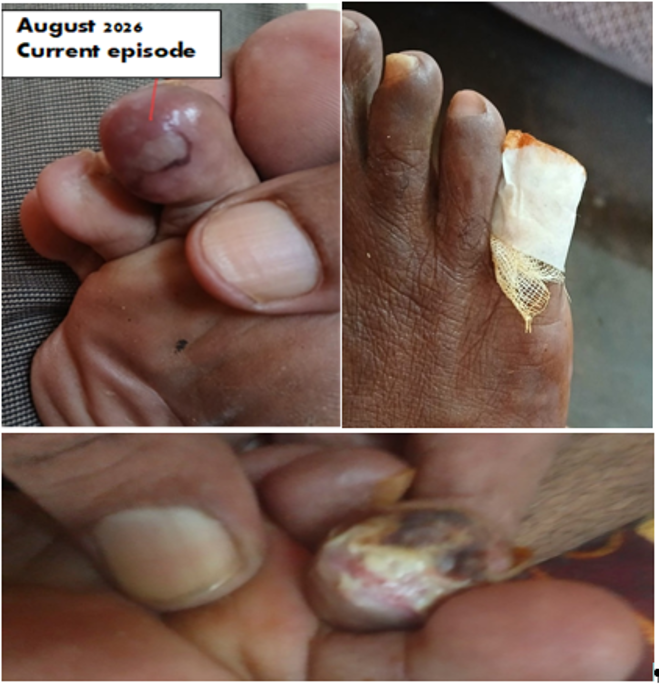
Case Report 1: Non-diabetic Foot Ulcers: Mr. Anil a Textile engineer complained about the first time in Mid -July 2023, Burning in 2nd and 3rd toes tips of right leg intermittently. The local surgeon suspected ischaemic limb and put him on Stiloz 100 mg tablets along with a blood thinner and Aspirin. Stiloz contains Cilostazol an oral prescription medication used to improve the symptoms of a circulation problem in the legs called intermittent claudication. Soon the 2nd toe got infected, locally managed in Gunavati a town, in Karnataka, with antibiotics and dressing did not heal for over 2 months. and Surgeon amputated the toes in early 2024. In mid-July 2025 he had similar ulcer on right little toe, again managed locally for about 3 weeks. Then we consulted a vascular surgeon, in a private tertiary care hospital in Bengaluru. After debridement, culture sensitivity-based antibiotic (the culture of the sound swab showed growth of Pseudomonas Areosa) was given for 2 weeks. And the toe healed only by December 2025. Currently he has his right 2nd toe infected and advised debridement and antibiotic therapy (Fig.3). A doppler Test was done on 11 August 2026 which showed everything to be normal. Given the limitation of Doppler test, which identifies only when the narrowing or blockage is 50% or more, Neuro-ischaemic ulcer cannot be ruled out. On 30 August his Hb1Ac was 5.8%, FBS=76 mg/dl and PPBS= 102 mg/dl and Mean BS=126.5mg/dl, ruling out the diabetic origin. Due to poor blood flow (ischemia), reduced oxygen and blood supply prevent the wound from healing properly. Walking puts repeated stress on the same weak spot on the foot. Bacteria easily enter the broken skin and cause deeper tissue damage over time. Currently he is on Standard management of surgical debridement of necrotic tissue, and culture-directed antibiotic therapy for active infections.
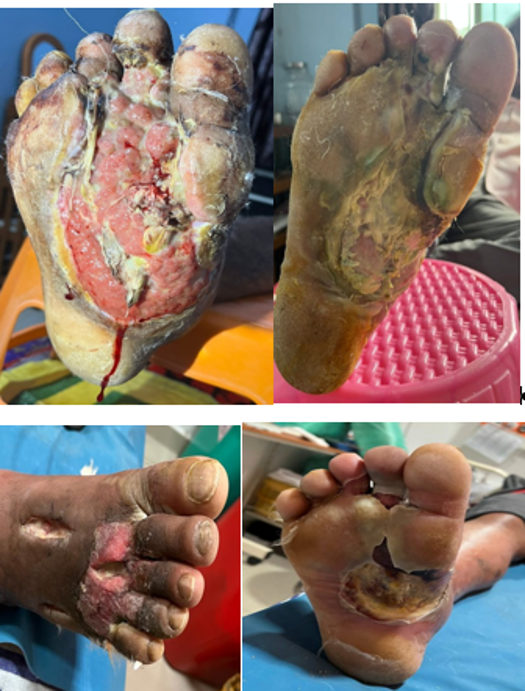
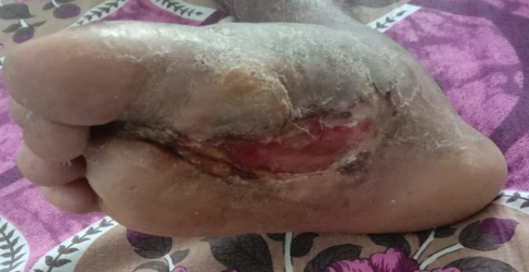
Case Report 2. Diabetic Recurrent Foot Ulcer Conservative Management at home: Mr. Padki aged about 72 years in June 2023 hurt his right foot, that was not well attended, and infection set in in about a week’s time. A consultation in a nearby surgical nursing home, debridement and dressings, IV antibiotics and a week’s hospital stay. The dressings everyday involved an expense of INR 1000 (including commuting). Two weeks after discharge, the wound got reinfected and another course of antibiotics didn’t help. The surgeon suggested below knee amputation of limb. They consulted this author in Mid-July 2023. After visiting the patient at their home, attempting debridement myself, was easy as the entire foot was painless with good vascularity. In the first visit discussing the complexity and burden of coordinating with external caretakers and medical personnel, including arranging transport to and attending follow-up medical appointments, challenges of frequent changes to home care nursing staff. I suggested involvement of his spouse and son was better for doing dressing and doing most of the care. Both agreed in principle. I explained to them the elements of ulcer care in the home, changing of wound dressing, application of topical ointments, and cleaning and elevation of the wounded leg. I told them that the healing of ulcers depended on keeping the wound clean, using the Betadine lotion and demonstrated using scissors & a toothed forceps to debride what was dying off and to allow new tissue to grow for 6-8 moths. One of them did alternate day dressings initially for about a month and twice a week subsequently for 2 months. Patient’s son and wife agreed and did without fail the care responsibility. The required set of scissors, artery forceps and holding teethed forceps, pairs of glows etc. were bought along with dressings, sterile gauzes, silver ointment, & replenished them periodically. All sitting’s expenses were around INR 100 on these items each time. They got pretty good at dressings in about half a dozen assisted and supervised performance by this author. After about two months the wound started showing signs of healing with pink granulations. This of course presented challenges in shifting the balance of household labor division and inverting care-taking roles. For example, his 28-year-old son had had to assume the role of primary health care provider. As wife, Son or daughter-in-law had to grab something to drink or eat for the patient. Patient started feeling guilty and would say “Now I’m dependent ding on somebody for all the tasks. With the concerted counselling and efforts of the spouse and the son debridement in August, September and November the first sign of granulation tissue was seen in October 2023 and the person started walking with walker first and a stick later by March 2024.As of August 2024 he was able to go for walk on his own.
Foot ulcers in India are most caused by diabetic neuropathy, peripheral arterial disease, and venous insufficiency, with diabetic foot ulcers (DFUs) affecting up to 15% of individuals with diabetes in the country [1]. Key Clinical Differences to be assessed and analyzed are: 1. Neuropathy and Sensation: Peripheral neuropathy is drastically higher in diabetic patients (up to 72%) compared to non-diabetic ulcer patients (around 20%), making diabetics repeat-prone due to unnoticed recurrent microtrauma. 2 Severity at Presentation: Diabetic recurrent ulcers more frequently present as advanced lesions such as Wagner's grade 4 (deep abscess or osteomyelitis) compared to milder or more superficial grades common in non-diabetic cohorts as evidence in our cases too. 3. Anatomical Site: Recurrent ulcers in diabetics frequently form on the dorsum (top) or plantar pressure points of the foot due to deformities, whereas non-diabetic recurrent ulcers often localize to the toes due to localized trauma or footwear friction as observed in our case reports. 4. Microbiology and Infection: Both groups show a high prevalence of Gram-negative bacilli and Staphylococcus aureus, but diabetic wounds exhibit higher rates of multidrug resistance and biofilm formation, complicating recurrent treatment cycles. 5. Amputation & Healing Rates: The rate of major and minor amputations is notably higher in recurrent diabetic foot ulcers, and a prior amputation sharply multiplies the risk of subsequent contralateral or ipsilateral amputations over time [2,3].
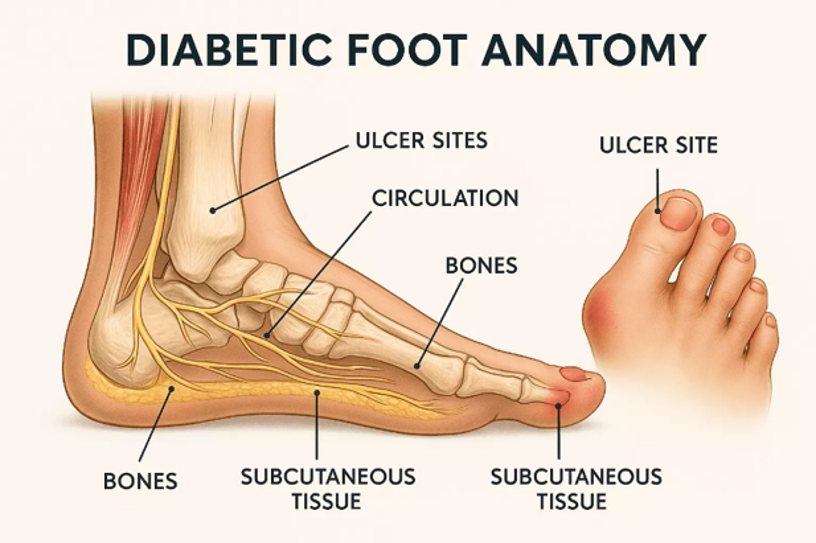
A recurrent Neuro-ischemic foot ulcer is an open skin sore that keeps coming back because of both nerve damage and poor blood circulation in the lower leg. It Keeps Returning due to Nerve damage (neuropathy) as the patient cannot feel pain, heat, or pressure, so small injuries go unnoticed. Due to poor blood flow (ischemia), reduced oxygen and blood supply prevent the wound from healing properly. Walking puts repeated stress on the same weak spot on the foot. Bacteria easily enter the broken skin and cause deeper tissue damage.
Diabetic foot ulcers (DFUs) affect roughly 15% of all people with diabetes in India during their lifetime, with recurrence rates reaching 40% within the first year after initial healing, and 65% within five years of initial healing. The primary determinants of recurrent foot ulcers evolve around uncorrected mechanical pressure, nerve damage, & poor blood flow [1].
Key Risk Factors and determinants include: a) Neurological Factors: Diabetic Peripheral Neuropathy (DPN) a condition in which loss of protective sensation, means patients cannot feel high pressure, rubbing shoes, or minor injuries, allowing trauma to go unnoticed ii) Mechanical and Structural Pressures: A first ulcer located on the sole (plantar side) strongly predicts recurrence due to ongoing high vertical and shear stress iii) Foot deformities and prominent Metatarsal Heads with structural issues like hammertoes, bunions, or prominent bone structures create abnormal, localized pressure points iv) Reduced ankle flexibility increases pressure on the forefoot during walking v) Vascular and Systemic Conditions like Peripheral Artery Disease (PAD) lead to poor blood circulation restricting oxygen and nutrients, preventing proper tissue resilience and long-term healing. vii) Poor Glycaemic Control: Persistently elevated HbA1c impairs immune response, white blood cell function, and tissue repair. viii) History of Amputation or Osteomyelitis: Prior bone infection or partial amputation drastically alters foot mechanics and elevates vulnerability in remaining tissues ix) Behavioural and Socioeconomic Influences: Failing to wear specialized therapeutic off-loading footwear post-healing x) Lifestyle and Self-Care Lapses: Skipping daily foot inspections, poor hygiene, or continued smoking xi) Limited financial resources can restrict access to proper follow-up care, specialized shoes, and consistent monitoring [4].
Structural damages of the foot & Toes- Causes, Symptoms, Treatment and Prevention:

Hammer, claw, & mallet toes involve abnormal bending of the interphalangeal joints (IPJ) of the foot are the hinge joints located between the small bones (phalanges) of the toes. Big toe (Hallux) has only one interphalangeal joint because it contains just two phalanges (proximal and
distal). Other toes (2nd to 5th), each has two joints because they contain 3 phalanges i) Proximal interphalangeal (PIP) joint, located between the proximal and middle phalanges ii) Distal interphalangeal (DIP) joint located between the middle & distal phalanges. Each deformity affects different joints & has slightly different causes and management strategies [4,5,9].
Hammer Toes: Bend at the middle joint only at the PIP joint, causing the toe to rise upward and then angle down looking like a hammer.
Claw Toes: Bend upward at the ball of the foot Middle Toe (MTP joint) and downward at both the middle and end joints (PIP and DIP joints), creating a claw-like shape.
Mallet Toes: Bend only at the tip of the toe (DIP joint), causing the end of the toe point downward.
Common reasons for this muscle and tendon imbalance include a) Poorly Fitting Shoes: Shoes with narrow, pointed toe boxes or high heels push your toes forward and cramp them into a bent shape. b) Foot Structure: Having flat feet, high arches, or a second toe that is naturally longer than the big toe can put uneven pressure on the foot c) Genetics: Inherited foot shapes and a family history of toe deformities make you more likely to develop the condition d) Toe Injury: Stubbing, jamming, or breaking a toe can damage the joint and surrounding tissue e) Diseases like arthritis, diabetes, or nerve and spinal cord issues can weaken foot muscles and increase your risk.
Impact of Grade, Stage, and Infection: i) Grade and Depth: Deeper ulcers (such as Wagner grades 3 or higher or those probing to bone/tendon) dramatically increase the risk of chronicity, osteomyelitis, and amputation regardless of aetiology ii) Infection Stage: Moderate to severe infections accelerate tissue destruction and systemic toxicity. Infected ischemic wounds have the highest non-healing and major amputation rates if empirical or mistargeted antibiotic protocols are used without addressing arterial supply.
Key Clinical & Physiological Determinants [6,7]:
Diabetic Peripheral Neuropathy (DPN): The single strongest predictor. Loss of protective sensation means minor injuries or repetitive friction go unnoticed, allowing minor trauma to rapidly degrade into a recurrent ulcer.
Altered Foot Biomechanics & Deformities: Nerve damage leads to muscle atrophy, causing structural shifts like claw toes, bunions, or high plantar pressures. The mechanical stress focused on these specific weight-bearing friction areas makes the sole of the foot exceptionally prone to re-ulceration.
Peripheral Artery Disease (PAD): Poor lower-limb blood circulation drastically hinders wound healing. While historically less prevalent in India than in Western countries, its incidence is rising among Indian patients and severely complicates tissue recovery.
Prior Amputations or Long Ulcer History: A previous minor amputation changes the weight distribution of the foot, tripling the risk of a subsequent ulcer or major amputation. Ulcers originally taking more than 60 days to heal also show a significantly higher rate of recurrence.
Non-diabetic recurrent foot and chronic lower extremity ulcers (NDRFCLEU): Non-diabetic foot and chronic lower extremity ulcers in India are primarily driven by trauma, venous insufficiency, and peripheral vascular disease rather than glycaemic complications. Among them 1 Accidental injury, cuts, or occupational hazards represent the most common cause (up to 45% of non-diabetic chronic leg and foot wounds) 2. Venous Insufficiency: Chronic venous hypertension leads to venous leg ulcers (VLUs) that recur due to improper use or lack of compression stockings 3) Peripheral Arterial Disease (PAD): Poor blood circulation restricts oxygen delivery to tissues, preventing wounds from closing. 4) Infections and Nutritional Deficiencies: Unmanaged bacterial colonization and poor systemic nutrition delay healing and trigger breakdown [2,9].
Burden of NDRFCLEU in India: Studies show these chronic non-healing ulcers frequently affect older adults, peaking in the sixth decade with a notably higher prevalence in males. Patients often suffer prolonged healing times, with average ulcer durations lasting over a year before definitive care. Roughly 40% of non-diabetic venous or traumatic chronic wound patients experience recurrence, largely driven by inadequate compression therapy, delayed treatment, and lack of patient education. Prolonged morbidity creates high out-of-pocket costs for daily dressings, frequent hospital visits, and lost wages. Management is usually conservative care focussing on daily antiseptic dressings, targeted antibiotic therapy based on wound cultures, and nutritional optimization. Essential for venous ulcers to manage underlying venous hypertension and prevent recurrence is compression therapy. NDRFCLEUs usually require surgical debridement of dead tissue, wide local excision, and skin grafting for recalcitrant wounds. Addressing arterial blockages via revascularization or specialized vascular interventions when blood flow is compromised [2,9].
Treatment Protocols:
Specialized Dressings: Advanced medical materials like hydrocolloids, alginates, and collagen sheets that keep wounds moist and protected. Cost: Much lower and more affordable for daily or regular outpatient use compared to device-heavy therapies. Availability: Widely available across local clinics, pharmacies, and major hospitals throughout India. Best for: Standard surgical cuts, mild burns, and early-stage pressure or diabetic sores.
Hyperbaric Oxygen Therapy (HBOT): A medical treatment where patients breathe pure oxygen inside a pressurized chamber to boost tissue healing. Cost: Individual sessions and treatment courses range from ₹50,000 to ₹1,00,000, while hospital-grade chambers cost ₹40 lakh to over ₹1.5 crore. Limited to specialized multi-specialty hospitals & advanced wound-care centres in major cities would have it. It is recommended for severe diabetic foot ulcers, radiation tissue damage, and deep infections that fail standard treatments.
Ischemic-Specific Interventions: Ischemic ulcers require urgent vascular assessment and revascularization procedures to restore blood flow. Adjunctive therapies like hyperbaric oxygen therapy or specialized matrix dressings are considered if standard care fails after 4–6 weeks without critical ischemia.
Multidisciplinary Approach: Managing high-grade or infected ulcers through coordinated care involving podiatrists, vascular surgeons, and infectious disease specialists drastically reduces amputation risks [3,5,7,9].
A study of a total of 211 patients diagnosed with DFU who were hospitalized and discharged from the hospital from October 2015 to January 2020 were divided into 2 groups according to whether the foot ulcer recurred during the 2‐year follow‐up period. First a recurrence group (n = 84) and second a non‐recurrence group (n = 127). The results indicated that the 1) overall recurrence rate of diabetic foot ulcers (DFU) within 2 years was a high 39.8%. (2) Significant differences were observed between the two patient groups in terms of BMI, HbA1c, TBIL, CRP, financial situation, foot deformity, first ulcer on the sole of the foot, previous amputation history, Wagner grade of the first ulcer, osteomyelitis, DFU duration (>60 days), lower limb vascular reconstruction, peripheral arterial disease (PAD), and diabetic peripheral neuropathy (DPN) (t = 2.455; Z = −1.988, −3.731, −3.618; χ2 = 7.88, 5.004, 3.906, 17.178, 16.237, 5.007, 24.642, 4.782, 29.334, 10.253). No significant differences were found for the other indicators. [3]
Logistic regression analysis revealed that TBIL (Total Bilirubin, in blood test measurement of liver function) (OR = 0.886, p = 0.036) was a protective factor against ulcer recurrence. In contrast, PAD, previous amputation history, DPN, and the first ulcer on the sole of the foot (OR = 3.987, 6.758, 4.681, 2.405; p < 0.05 or p < 0.01) were identified as risk factors for ulcer recurrence. The study inferred that early screening and preventive education targeting high‐risk factors such as DPN, PAD and the initial ulcer location on the sole of the foot are essential to mitigate the high long‐term recurrence rate of DFU. Furthermore, the protective role of TBIL in preventing ulcer recurrence underscores the importance of monitoring bilirubin levels as part of a comprehensive management strategy for DFU patients [3].
Another meta-analysis identified male sex, smoking history, living alone, plantar ulcer, diabetic retinopathy, diabetic nephropathy, diabetic peripheral neuropathy, foot deformity, & peripheral arterial disease as important risk factors for diabetic foot ulcer recurrence [4].
More recent systematic review synthesised evidence from 66 studies that used classical statistical & machine learning approaches to identify factors associated with development of diabetic foot ulcers in people with diabetes. While 95 predictive factors were identified, with neuropathy, diabetes duration, age, body mass index, peripheral vascular disease, history of ulceration, foot deformities, hypertension, HbA1c levels, and fungal infections among the most frequently reported predictors [8].
A comparative study in a private hospital, Khammam, Telangana, it was inferred that in diabetics 6th decade and in non-diabetic’s 4th-6th decade was the most common age group presenting with foot infections. Cellulitis of the foot was the most common in both diabetics (40%) and non-diabetics (52%). Wagner’s grade 4 lesions were more common in diabetics (28%) than in non-diabetics (8%). The most common site of lesion in diabetics was dorsum (40%) and in non-diabetics was toes (40%). The incidence of neuropathy was significantly higher in diabetics (72%) than in non-diabetics (20%). Rate of amputation was high in diabetics (12%) compared to non-diabetics (8%). The average number days in a hospital stay in diabetics was 42.27 days and in non-diabetics it was 28.96 days [3].
Foot ulcers in India are most caused by diabetic neuropathy, peripheral arterial disease, and venous insufficiency, with diabetic foot ulcers (DFUs) affecting up to 15% of individuals with diabetes in the country. Diabetic foot ulcers (DFUs) in India recur more frequently, present with deeper tissue damage, and carry a significantly higher risk of lower-limb amputation compared to non-diabetic recurrent foot ulcers.
Key Clinical Differences between diabetic and Non-diabetic Foot ulcers are: a) Peripheral neuropathy is drastically higher in diabetic patients b) Diabetic recurrent ulcers more frequently present as advanced lesions such as Wagner's grade 4 compared to milder or more superficial grades common in non-diabetic cohorts, Recurrent ulcers in diabetics frequently form on the dorsum (top) or plantar pressure points of the foot due to deformities, whereas non-diabetic recurrent ulcers often localize to the toes due to localized trauma or footwear friction, The rate of major and minor amputations is notably higher in recurrent diabetic foot ulcers, and a prior amputation sharply multiplies the risk of subsequent contralateral or ipsilateral amputations over time
Understanding these factors and their impact on ulcer recurrence is crucial for multidisciplinary teams to develop management and treatment plans for diabetic foot ulcer patients.
Logistic regression and Cox regression were the most used and clinically interpretable predictive approaches. However modern machine learning methods help capture complex and nonlinear risk patterns to support early screening of high‐risk patients of foot ulcers and reduce severe complications such as amputation.
“I would like to express my sincere gratitude to Ms. Sarah Jacobs, Editorial Coordinator of the IJCCR, for her excellent collaboration and exceptional support throughout the entire process, from article submission and peer review to financial matters and successful publication. Everything went very quickly and smoothly. I would also like to thank the reviewers, whose comments were helpful and contributed to an even better article. I wholeheartedly recommend this deservedly renowned journal to my colleagues for publication.” Best regards, Andreas Schapowal.

Dear Editorial Team, Clinical Medical Reviews and Reports. My experience with the journal was highly positive. The peer-review process was rigorous, constructive, and completed in a timely manner. The reviewers provided valuable comments that helped improve the quality and clarity of our manuscript. The editorial office was professional, responsive, and supportive throughout all stages of the publication process. Communication was clear and efficient, and any questions were addressed promptly. Overall, I found the journal to maintain high scientific standards and an excellent publication workflow. I would be pleased to consider submitting future work to this journal. Best wishes from, Elena Popa.

It was my pleasure to submit my testimonial concerning the Reviewer Board of our Scientific Journal “Brain and Neurological Disorders”. The Reviewers focused on some modifications and their contribution was helpful. The ladies of our Editorial Office were also supported my efforts. It was my honor to have such a co-operation and I am looking forward for more collaboration.

Dear Grace Pierce, Editorial Coordinator of Journal of Clinical Research and Reports, Thank you for the speedy and efficient peer review process. I appreciate the fact that your peer reviewers do not take months to respond like with some other journals. I would also like to thank the editorial office for responding quickly to my questions. It is an excellent journal. I plan to submit more manuscripts in the future. Best wishes from, Robert W. McGee

Dear Grace Pierce, Editorial Coordinator of Journal of Clinical Research and Reports, Working with you and your team on our recent publication in JCRR has been a truly wonderful and enjoyable experience. The responses were prompt, and the reviewers were patient, constructive, and highly professional. One reviewer in particular gave me the feeling that a professor was carefully reading and commenting on my coursework, which was deeply touching. The entire process was straightforward and hassle‑free, with no tedious online forms to complete. I highly recommend this journal. Best wishes from, DR Aibing Rao, Head of R&D

I Appreciate the Opportunity to Share my Experience with the Journal of Clinical Research and Reports. The peer review process was timely and constructive, and the feedback provided helped improve the quality of our manuscript. The editorial office was professional, responsive, and supportive throughout the process, ensuring smooth communication and efficient handling of the submission. Overall, it was a positive experience collaborating with your team.

Dear Mercy Grace, Editorial Coordinator of Obstetrics Gynecology and Reproductive Sciences, We would like to express our gratitude for your help at all stages of publishing and editing the article. The editors of the magazine answer all the necessary questions and help at every stage. We will definitely continue to cooperate and publish other works in the Obstetrics Gynecology and Reproductive Sciences! Best wishes from, Alla Konstantinovna Politova,

Dear Maria Emerson, Editorial Coordinator of International Journal of Clinical Case Reports and Reviews, What distinguishes International Journal of Clinical Case Report and Review is not only the scientific rigor of its publications, but the intellectual climate in which research is evaluated. The submission process is refreshingly free of unnecessary formal barriers and bureaucratic rituals that often complicate academic publishing without adding real value. The peer-review system is demanding yet constructive, guided by genuine scientific dialogue rather than hierarchical or authoritarian attitudes. Reviewers act as collaborators in improving the manuscript, not as gatekeepers imposing arbitrary standards. This journal offers a rare balance: high methodological standards combined with a respectful, transparent, and supportive editorial approach. In an era where publishing can feel more burdensome than research itself, this platform restores the original purpose of peer review — to refine ideas, not to obstruct them Prof. Perlat Kapisyzi, FCCP PULMONOLOGIST AND THORACIC IMAGING.

Dear Reader: We have published several articles in the Auctores Publishing, LLC, journal, Clinical Medical Reviews and Reports in recent years (CMRR). This is an ‘open access’ journal and the following are our observations. From the initial invitation to submit an article, to the final edits of galley proofs, we have found CMRR personnel to be professional, responsive, rapid and thorough. This entire process begins with Catherine Mitchell, Editorial Coordinator. She is simply outstanding, and, I believe, unparalleled in her capacity. I cannot imagine a more responsive and dedicated Editorial Coordinator. As I read the dates and timing of her correspondence with us, it seems that she never sleeps. I hope Auctores Publishing, LLC, appreciates her efforts as much as these authors do. Thank you to Auctores Publishing, LLC, to the Editorial Staff/Board, and to Catherine Mitchell from a grateful author(s).

Dear Maria Emerson, Editorial Coordinator of - Journal of Clinical Research and Reports. ''I am pleased to provide this testimonial following the publication of our recent case report in this journal. The peer review process was rigorous, constructive, thorough, and conducted in a timely manner. The reviewers’ comments were thoughtful, detailed, and highly constructive, contributing substantially to the refinement, clarity, and scientific robustness of our manuscript. The process was conducted with professionalism and academic integrity throughout. The support provided by the editorial office was exemplary. Communication was consistently prompt, clear, and courteous at all stages of the submission and publication process. The editorial team demonstrated a high level of organization and responsiveness, ensuring that all queries were addressed efficiently and that the process remained transparent and well-coordinated. The overall quality of the journal is reflected in its strong editorial standards, commitment to scientific excellence, and dedication to publishing clinically meaningful research. It has been a privilege to publish our work in this journal, and we would welcome the opportunity to contribute further in the future.'' Best wishes from, Dr. Efstratios Trogkanis, Cardiologist.

Dear Grace Pierce, Editorial Coordinator of the journal IJCCR, I had a very positive experience with Auctores - Journal throughout the publication process. The Editorial Team was highly responsive, professional, and supportive at every stage. I would like to extend my sincere thanks to the Editor: Grace Pierce, for her guidance and assistance. The peer-review process was smooth and constructive, helping improve the quality of my work. I would gladly recommend Auctores Journal to fellow researchers and authors. Dr. SABITA SINHA, Medical Oncologist, MD (Electro Homeopathy).

Dear Mayra Duenas, Editorial Coordinator of the journal IJCCR, I write here a little on my experience as an author submitting to the International Journal of Clinical Case Reports and Reviews (IJCCR). This was my first submission to IJCCR and my manuscript was inherently an outsider’s effort. It attempted to broadly identify and then make some sense of life’s under-appreciated mysteries. I initially had responded to a request for possible submissions. I then contacted IJCCR with a tentative topic for a manuscript. They quickly got back with an approval for the submission, but with a particular requirement that it be medically relevant. I then put together a manuscript and submitted it. After the usual back-and-forth over forms and formality, the manuscript was sent off for reviews. Within 2 weeks I got back 4 reviews which were both helpful and also surprising. Surprising in that the topic was somewhat foreign to medical literature. My subsequent updates in response to the reviewer comments went smoothly and in short order I had a series of proofs to evaluate. All in all, the whole publication process seemed outstanding. It was both helpful in terms of the paper’s content and also in terms of its efficient and friendly communications. Thank you all very much. Sincerely, Ted Christopher, Rochester, NY.

International Journal of Clinical Case Reports and Reviews is a high quality journal that has a clear and concise submission process. The peer review process was comprehensive and constructive. Support from the editorial office was excellent, since the administrative staff were responsive. The journal provides a fast and timely publication timeline.

Dear Cecilia Lilly, Editorial Coordinator, Endocrinology and Disorders, Thank you so much for your quick response regarding reviewing and all process till publishing our manuscript entitled: Prevalence of Pre-Diabetes and its Associated Risk Factors Among Nile College Students, Sudan. Best regards, Dr Mamoun Magzoub.

Dear Editorial Team, Clinical Cardiology and Cardiovascular Interventions. I am really grateful for the peers review; their feedback gave me the opportunity to reflect on the message and impact of my work and to ameliorate the article. The editors did a great job in addition by encouraging me to continue with the process of publishing.

Dear Mayra Duenas, Editorial Coordinator of ‘International Journal of Clinical Case Reports and Reviews Herewith I confirm an optimal peer review process and a great support of the editorial office of the present journal

Dear Maria Emerson, Editorial Coordinator of ‘International Journal of Clinical Case Reports and Reviews’, I appreciate the opportunity to publish my article with your journal. The editorial office provided clear communication during the submission and review process, and I found the overall experience professional and constructive. Best regards, Elena Salvatore.

Dear Editorial Team, Journal-Clinical Cardiology and Cardiovascular Interventions, “Publishing my article with Clinical Cardiology and Cardiovascular Interventions has been a highly positive experience. The peer-review process was rigorous yet supportive, offering valuable feedback that strengthened my work. The editorial team demonstrated exceptional professionalism, prompt communication, and a genuine commitment to maintaining the highest scientific standards. I am very pleased with the publication quality and proud to be associated with such a reputable journal.” Warm regards, Dr. Mahmoud Kamal Moustafa Ahmed

Dear Editorial Team, Clinical Cardiology and Cardiovascular Interventions. It was truly a rewarding experience to work with the journal “Clinical Cardiology and Cardiovascular Interventions”. The peer review process was insightful and encouraging, helping us refine our work to a higher standard. The editorial office offered exceptional support with prompt and thoughtful communication. I highly value the journal’s role in promoting scientific advancement and am honored to be part of it. Best regards, Meng-Jou Lee, MD, Department of Anesthesiology, National Taiwan University Hospital.

Dear Maria Emerson, Editorial Coordinator, Journal of Clinical Research and Reports. Thank you for publishing our case report: "Clinical Case of Effective Fetal Stem Cells Treatment in a Patient with Autism Spectrum Disorder" within the "Journal of Clinical Research and Reports" being submitted by the team of EmCell doctors from Kyiv, Ukraine. We much appreciate a professional and transparent peer-review process from Auctores. All research Doctors are so grateful to your Editorial Office and Auctores Publishing support! I amiably wish our article publication maintained a top quality of your International Scientific Journal. My best wishes for a prosperity of the Journal of Clinical Research and Reports. Hope our scientific relationship and cooperation will remain long lasting. Thank you very much indeed. Kind regards, Dr. Andriy Sinelnyk Cell Therapy Center EmCell

I recommend without hesitation submitting relevant papers on medical decision making to the International Journal of Clinical Case Reports and Reviews. I am very grateful to the editorial staff. Maria Emerson was a pleasure to communicate with. The time from submission to publication was an extremely short 3 weeks. The editorial staff submitted the paper to three reviewers. Two of the reviewers commented positively on the value of publishing the paper. The editorial staff quickly recognized the third reviewer’s comments as an unjust attempt to reject the paper. I revised the paper as recommended by the first two reviewers.

Dear Chrystine Mejia, Editorial Coordinator, Journal of Neurodegeneration and Neurorehabilitation. “The peer review process was efficient and constructive, and the editorial office provided excellent communication and support throughout. The journal ensures scientific rigor and high editorial standards, while also offering a smooth and timely publication process. We sincerely appreciate the work of the editorial team in facilitating the dissemination of innovative approaches such as the Bonori Method.” Best regards, Dr. Matteo Bonori.

Dear Maria Emerson, Editorial Coordinator, we have deeply appreciated the professionalism demonstrated by the International Journal of Clinical Case Reports and Reviews. The reviewers have extensive knowledge of our field and have been very efficient and fast in supporting the process. I am really looking forward to further collaboration. Thanks. Best regards, Dr. Claudio Ligresti

Dear Ms. Mayra Duenas, Editorial Coordinator, International Journal of Clinical Case Reports and Reviews. “The International Journal of Clinical Case Reports and Reviews represented the “ideal house” to share with the research community a first experience with the use of the Simeox device for speech rehabilitation. High scientific reputation and attractive website communication were first determinants for the selection of this Journal, and the following submission process exceeded expectations: fast but highly professional peer review, great support by the editorial office, elegant graphic layout. Exactly what a dynamic research team - also composed by allied professionals - needs!" From, Chiara Beccaluva, PT - Italy.

Dear Clarissa Eric, Editorial Coordinator, Journal of Clinical Case Reports and Studies, Auctores Publishing LLC, USA Office: +1-(302)-520-2644. I would like to express my sincere appreciation for the efficient and professional handling of my case report by the ‘Journal of Clinical Case Reports and Studies’. The peer review process was not only fast but also highly constructive—the reviewers’ comments were clear, relevant, and greatly helped me improve the quality and clarity of my manuscript. I also received excellent support from the editorial office throughout the process. Communication was smooth and timely, and I felt well guided at every stage, from submission to publication. The overall quality and rigor of the journal are truly commendable. I am pleased to have published my work with Journal of Clinical Case Reports and Studies, and I look forward to future opportunities for collaboration. Sincerely, Aline Tollet, UCLouvain.

Dear Chrystine Mejia, Editorial Coordinator, Journal of Neurodegeneration and Neurorehabilitation, Auctores Publishing LLC, We would like to thank the editorial team for the smooth and high-quality communication leading up to the publication of our article in the Journal of Neurodegeneration and Neurorehabilitation. The reviewers have extensive knowledge in the field, and their relevant questions helped to add value to our publication. Kind regards, Dr. Ravi Shrivastava.

Dear Clarissa Eric, Editorial Coordinator, Journal of Clinical Case Reports and Studies, I would like to express my deep admiration for the exceptional professionalism demonstrated by your journal. I am thoroughly impressed by the speed of the editorial process, the substantive and insightful reviews, and the meticulous preparation of the manuscript for publication. Additionally, I greatly appreciate the courteous and immediate responses from your editorial office to all my inquiries. Best Regards, Dariusz Ziora

Dear Ashley Rosa, Editorial Coordinator, International Journal of Clinical Case Reports and Reviews, Auctores Publishing LLC. Thank you for publishing our article, Exploring Clozapine's Efficacy in Managing Aggression: A Multiple Single-Case Study in Forensic Psychiatry in the international journal of clinical case reports and reviews. We found the peer review process very professional and efficient. The comments were constructive, and the whole process was efficient. On behalf of the co-authors, I would like to thank you for publishing this article. With regards, Dr. Jelle R. Lettinga.

Dear Jessica Magne, Editorial Coordinator, Clinical Cardiology and Cardiovascular Interventions, Auctores Publishing LLC. The peer review process of the journal of Clinical Cardiology and Cardiovascular Interventions was excellent and fast, as was the support of the editorial office and the quality of the journal. Kind regards Walter F. Riesen Prof. Dr. Dr. h.c. Walter F. Riesen.

Dear Erin Aust, Editorial Coordinator, Journal of General Medicine and Clinical Practice. We are pleased to share our experience with the “Journal of General Medicine and Clinical Practice”, following the successful publication of our article. The peer review process was thorough and constructive, helping to improve the clarity and quality of the manuscript. We are especially thankful to Ms. Erin Aust, the Editorial Coordinator, for her prompt communication and continuous support throughout the process. Her professionalism ensured a smooth and efficient publication experience. The journal upholds high editorial standards, and we highly recommend it to fellow researchers seeking a credible platform for their work. Best wishes By, Dr. Rakhi Mishra.

Dr Hala Al Shaikh This is to acknowledge that the peer review process for the article ’ A Novel Gnrh1 Gene Mutation in Four Omani Male Siblings, Presentation and Management ’ sent to the International Journal of Clinical Case Reports and Reviews was quick and smooth. The editorial office was prompt with easy communication.

Dear Agrippa Hilda, Editorial Coordinator, Journal of Neuroscience and Neurological Surgery. The entire process including article submission, review, revision, and publication was extremely easy. The journal editor was prompt and helpful, and the reviewers contributed to the quality of the paper. Thank you so much! Eric Nussbaum, MD

Dear Ashley Rosa, Editorial Coordinator, International Journal of Clinical Case Reports and Reviews. Many thanks for publishing this manuscript after I lost confidence the editors were most helpful, more than other journals Best wishes from, Susan Anne Smith, PhD. Australian Breastfeeding Association.

Dear Maria Emerson, Editorial Coordinator, International Journal of Clinical Case Reports and Reviews, Auctores Publishing LLC. I am delighted to have published our manuscript, "Acute Colonic Pseudo-Obstruction (ACPO): A rare but serious complication following caesarean section." I want to thank the editorial team, especially Maria Emerson, for their prompt review of the manuscript, quick responses to queries, and overall support. Yours sincerely Dr. Victor Olagundoye.

Dear Jessica Magne, Editorial Coordinator, Clinical Cardiology and Cardiovascular Interventions, Auctores Publishing LLC. I appreciate the journal (JCCI) editorial office support, the entire team leads were always ready to help, not only on technical front but also on thorough process. Also, I should thank dear reviewers’ attention to detail and creative approach to teach me and bring new insights by their comments. Surely, more discussions and introduction of other hemodynamic devices would provide better prevention and management of shock states. Your efforts and dedication in presenting educational materials in this journal are commendable. Best wishes from, Farahnaz Fallahian.

Dear Ashley Rosa, Editorial Coordinator of the journal - Psychology and Mental Health Care. " The process of obtaining publication of my article in the Psychology and Mental Health Journal was positive in all areas. The peer review process resulted in a number of valuable comments, the editorial process was collaborative and timely, and the quality of this journal has been quickly noticed, resulting in alternative journals contacting me to publish with them." Warm regards, Susan Anne Smith, PhD. Australian Breastfeeding Association.

Dear Jessica, and the super professional team of the ‘Clinical Cardiology and Cardiovascular Interventions’ I am sincerely grateful to the coordinated work of the journal team for the no problem with the submission of my manuscript: “Cardiometabolic Disorders in A Pregnant Woman with Severe Preeclampsia on the Background of Morbid Obesity (Case Report).” The review process by 5 experts was fast, and the comments were professional, which made it more specific and academic, and the process of publication and presentation of the article was excellent. I recommend that my colleagues publish articles in this journal, and I am interested in further scientific cooperation. Sincerely and best wishes, Dr. Oleg Golyanovskiy.

To Dear Erin Aust – Editorial Coordinator of Journal of General Medicine and Clinical Practice! I declare that I am absolutely satisfied with your work carried out with great competence in following the manuscript during the various stages from its receipt, during the revision process to the final acceptance for publication. Thank Prof. Elvira Farina

My article, titled 'No Way Out of the Smartphone Epidemic Without Considering the Insights of Brain Research,' has been republished in the International Journal of Clinical Case Reports and Reviews. The review process was seamless and professional, with the editors being both friendly and supportive. I am deeply grateful for their efforts.

We found the peer review process quick and positive in its input. The support from the editorial officer has been very agile, always with the intention of improving the article and taking into account our subsequent corrections.

Dear Jessica Magne, with gratitude for the joint work. Fast process of receiving and processing the submitted scientific materials in “Clinical Cardiology and Cardiovascular Interventions”. High level of competence of the editors with clear and correct recommendations and ideas for enriching the article.

I thank the ‘Journal of Clinical Research and Reports’ for accepting this article for publication. This is a rigorously peer reviewed journal which is on all major global scientific data bases. I note the review process was prompt, thorough and professionally critical. It gave us an insight into a number of important scientific/statistical issues. The review prompted us to review the relevant literature again and look at the limitations of the study. The peer reviewers were open, clear in the instructions and the editorial team was very prompt in their communication. This journal certainly publishes quality research articles. I would recommend the journal for any future publications.

"I am grateful for the opportunity of contributing to [International Journal of Clinical Case Reports and Reviews] and for the rigorous review process that enhances the quality of research published in your esteemed journal. I sincerely appreciate the time and effort of your team who have dedicatedly helped me in improvising changes and modifying my manuscript. The insightful comments and constructive feedback provided have been invaluable in refining and strengthening my work".

To Dear Erin Aust, I would like to express my heartfelt appreciation for the opportunity to have my work published in this esteemed journal. The entire publication process was smooth and well-organized, and I am extremely satisfied with the final result. The Editorial Team demonstrated the utmost professionalism, providing prompt and insightful feedback throughout the review process. Their clear communication and constructive suggestions were invaluable in enhancing my manuscript, and their meticulous attention to detail and dedication to quality are truly commendable. Additionally, the support from the Editorial Office was exceptional. From the initial submission to the final publication, I was guided through every step of the process with great care and professionalism. The team's responsiveness and assistance made the entire experience both easy and stress-free. I am also deeply impressed by the quality and reputation of the journal. It is an honor to have my research featured in such a respected publication, and I am confident that it will make a meaningful contribution to the field.

I would like to express my sincere gratitude for the support and efficiency provided by the editorial office throughout the publication process of my article, “Delayed Vulvar Metastases from Rectal Carcinoma: A Case Report.” I greatly appreciate the assistance and guidance I received from your team, which made the entire process smooth and efficient. The peer review process was thorough and constructive, contributing to the overall quality of the final article. I am very grateful for the high level of professionalism and commitment shown by the editorial staff, and I look forward to maintaining a long-term collaboration with the International Journal of Clinical Case Reports and Reviews.

Dear Agrippa Hilda- Editorial Coordinator of Journal of Neuroscience and Neurological Surgery, "The peer review process was very quick and of high quality, which can also be seen in the articles in the journal. The collaboration with the editorial office was very good."

I would like to offer my testimony in the support. I have received through the peer review process and support the editorial office where they are to support young authors like me, encourage them to publish their work in your esteemed journals, and globalize and share knowledge globally. I really appreciate your journal, peer review, and editorial office.

My experience publishing in International Journal of Clinical Case Reports and Reviews was exceptional. I Come forth to Provide a Testimonial Covering the Peer Review Process and the editorial office for the Professional and Impartial Evaluation of the Manuscript.

My experience publishing in Psychology and Mental Health Care was exceptional. The peer review process was rigorous and constructive, with reviewers providing valuable insights that helped enhance the quality of our work. The editorial team was highly supportive and responsive, making the submission process smooth and efficient. The journal's commitment to high standards and academic rigor makes it a respected platform for quality research. I am grateful for the opportunity to publish in such a reputable journal.

My Testimonial Covering as fellowing: Lin-Show Chin. The peer reviewers process is quick and effective, the supports from editorial office is excellent, the quality of journal is high. I would like to collabroate with Internatioanl journal of Clinical Case Reports and Reviews.

Dealing with The Journal of Neurology and Neurological Surgery was very smooth and comprehensive. The office staff took time to address my needs and the response from editors and the office was prompt and fair. I certainly hope to publish with this journal again.Their professionalism is apparent and more than satisfactory. Susan Weiner

Dear Editorial Coordinator of the Journal of Nutrition and Food Processing! "I would like to thank the Journal of Nutrition and Food Processing for including and publishing my article. The peer review process was very quick, movement and precise. The Editorial Board has done an extremely conscientious job with much help, valuable comments and advices. I find the journal very valuable from a professional point of view, thank you very much for allowing me to be part of it and I would like to participate in the future!”

Dear Monica Gissare, - Editorial Coordinator of Nutrition and Food Processing. ¨My testimony with you is truly professional, with a positive response regarding the follow-up of the article and its review, you took into account my qualities and the importance of the topic¨.

Dear Dr. Jessica Magne, Editorial Coordinator 0f Clinical Cardiology and Cardiovascular Interventions, I hope this message finds you well. I want to express my utmost gratitude for your excellent work and for the dedication and speed in the publication process of my article titled "Navigating Innovation: Qualitative Insights on Using Technology for Health Education in Acute Coronary Syndrome Patients." I am very satisfied with the peer review process, the support from the editorial office, and the quality of the journal. I hope we can maintain our scientific relationship in the long term.

Clinical Cardiology and Cardiovascular Interventions, I would like to express my sincerest gratitude for the trust placed in our team for the publication in your journal. It has been a true pleasure to collaborate with you on this project. I am pleased to inform you that both the peer review process and the attention from the editorial coordination have been excellent. Your team has worked with dedication and professionalism to ensure that your publication meets the highest standards of quality. We are confident that this collaboration will result in mutual success, and we are eager to see the fruits of this shared effort.

The peer reviewers process is quick and effective, the supports from editorial office is excellent, the quality of journal is high. I would like to collabroate with Internatioanl journal of Clinical Case Reports and Reviews journal clinically in the future time.

Clinical Cardiology and Cardiovascular Interventions, we deeply appreciate the interest shown in our work and its publication. It has been a true pleasure to collaborate with you. The peer review process, as well as the support provided by the editorial office, have been exceptional, and the quality of the journal is very high, which was a determining factor in our decision to publish with you.

Clinical Cardiology and Cardiovascular Interventions I testity the covering of the peer review process, support from the editorial office, and quality of the journal.

Dear editorial department: On behalf of our team, I hereby certify the reliability and superiority of the International Journal of Clinical Case Reports and Reviews in the peer review process, editorial support, and journal quality. Firstly, the peer review process of the International Journal of Clinical Case Reports and Reviews is rigorous, fair, transparent, fast, and of high quality. The editorial department invites experts from relevant fields as anonymous reviewers to review all submitted manuscripts. These experts have rich academic backgrounds and experience, and can accurately evaluate the academic quality, originality, and suitability of manuscripts. The editorial department is committed to ensuring the rigor of the peer review process, while also making every effort to ensure a fast review cycle to meet the needs of authors and the academic community. Secondly, the editorial team of the International Journal of Clinical Case Reports and Reviews is composed of a group of senior scholars and professionals with rich experience and professional knowledge in related fields. The editorial department is committed to assisting authors in improving their manuscripts, ensuring their academic accuracy, clarity, and completeness. Editors actively collaborate with authors, providing useful suggestions and feedback to promote the improvement and development of the manuscript. We believe that the support of the editorial department is one of the key factors in ensuring the quality of the journal. Finally, the International Journal of Clinical Case Reports and Reviews is renowned for its high- quality articles and strict academic standards. The editorial department is committed to publishing innovative and academically valuable research results to promote the development and progress of related fields. The International Journal of Clinical Case Reports and Reviews is reasonably priced and ensures excellent service and quality ratio, allowing authors to obtain high-level academic publishing opportunities in an affordable manner. I hereby solemnly declare that the International Journal of Clinical Case Reports and Reviews has a high level of credibility and superiority in terms of peer review process, editorial support, reasonable fees, and journal quality. Sincerely, Rui Tao.

“The peer review process of JPMHC is quick and effective. Authors are benefited by good and professional reviewers with huge experience in the field of psychology and mental health. The support from the editorial office is very professional. People to contact to are friendly and happy to help and assist any query authors might have. Quality of the Journal is scientific and publishes ground-breaking research on mental health that is useful for other professionals in the field”.

Dr.Tania Muñoz, My experience as researcher and author of a review article in The Journal Clinical Cardiology and Interventions has been very enriching and stimulating. The editorial team is excellent, performs its work with absolute responsibility and delivery. They are proactive, dynamic and receptive to all proposals. Supporting at all times the vast universe of authors who choose them as an option for publication. The team of review specialists, members of the editorial board, are brilliant professionals, with remarkable performance in medical research and scientific methodology. Together they form a frontline team that consolidates the JCCI as a magnificent option for the publication and review of high-level medical articles and broad collective interest. I am honored to be able to share my review article and open to receive all your comments.

I am delighted to publish our manuscript entitled "A Perspective on Cocaine Induced Stroke - Its Mechanisms and Management" in the Journal of Neuroscience and Neurological Surgery. The peer review process, support from the editorial office, and quality of the journal are excellent. The manuscripts published are of high quality and of excellent scientific value. I recommend this journal very much to colleagues.

I would like to give my testimony in the support I have got by the peer review process and to support the editorial office where they were of asset to support young author like me to be encouraged to publish their work in your respected journal and globalize and share knowledge across the globe. I really give my great gratitude to your journal and the peer review including the editorial office.

I am very pleased to serve as EBM of the journal, I hope many years of my experience in stem cells can help the journal from one way or another. As we know, stem cells hold great potential for regenerative medicine, which are mostly used to promote the repair response of diseased, dysfunctional or injured tissue using stem cells or their derivatives. I think Stem Cell Research and Therapeutics International is a great platform to publish and share the understanding towards the biology and translational or clinical application of stem cells.

We are grateful for this opportunity to provide a glowing recommendation to the Journal of Psychiatry and Psychotherapy. We found that the editorial team were very supportive, helpful, kept us abreast of timelines and over all very professional in nature. The peer review process was rigorous, efficient and constructive that really enhanced our article submission. The experience with this journal remains one of our best ever and we look forward to providing future submissions in the near future.

I would like to express my gratitude towards you process of article review and submission. I found this to be very fair and expedient. Your follow up has been excellent. I have many publications in national and international journal and your process has been one of the best so far. Keep up the great work.

"We recently published an article entitled “Influence of beta-Cyclodextrins upon the Degradation of Carbofuran Derivatives under Alkaline Conditions" in the Journal of “Pesticides and Biofertilizers” to show that the cyclodextrins protect the carbamates increasing their half-life time in the presence of basic conditions This will be very helpful to understand carbofuran behaviour in the analytical, agro-environmental and food areas. We greatly appreciated the interaction with the editor and the editorial team; we were particularly well accompanied during the course of the revision process, since all various steps towards publication were short and without delay".

I am very glad to say that the peer review process is very successful and fast and support from the Editorial Office. Therefore, I would like to continue our scientific relationship for a long time. And I especially thank you for your kindly attention towards my article. Have a good day!

Dear Erica Kelsey, Editorial Coordinator of Cancer Research and Cellular Therapeutics Our team is very satisfied with the processing of our paper by your journal. That was fast, efficient, rigorous, but without unnecessary complications. We appreciated the very short time between the submission of the paper and its publication on line on your site.

Thank you very much for publishing my Research Article titled “Comparing Treatment Outcome Of Allergic Rhinitis Patients After Using Fluticasone Nasal Spray And Nasal Douching" in the Journal of Clinical Otorhinolaryngology. As Medical Professionals we are immensely benefited from study of various informative Articles and Papers published in this high quality Journal. I look forward to enriching my knowledge by regular study of the Journal and contribute my future work in the field of ENT through the Journal for use by the medical fraternity. The support from the Editorial office was excellent and very prompt. I also welcome the comments received from the readers of my Research Article.

International Journal of Clinical Case Reports and Reviews. I strongly recommend to consider submitting your work to this high-quality journal. The support and availability of the Editorial staff is outstanding and the review process was both efficient and rigorous.

Dear Agrippa Hilda, Journal of Neuroscience and Neurological Surgery, Editorial Coordinator, I trust this message finds you well. I want to extend my appreciation for considering my article for publication in your esteemed journal. I am pleased to provide a testimonial regarding the peer review process and the support received from your editorial office. The peer review process for my paper was carried out in a highly professional and thorough manner. The feedback and comments provided by the authors were constructive and very useful in improving the quality of the manuscript. This rigorous assessment process undoubtedly contributes to the high standards maintained by your journal.

As an author who has recently published in the journal "Brain and Neurological Disorders". I am delighted to provide a testimonial on the peer review process, editorial office support, and the overall quality of the journal. The peer review process at Brain and Neurological Disorders is rigorous and meticulous, ensuring that only high-quality, evidence-based research is published. The reviewers are experts in their fields, and their comments and suggestions were constructive and helped improve the quality of my manuscript. The review process was timely and efficient, with clear communication from the editorial office at each stage. The support from the editorial office was exceptional throughout the entire process. The editorial staff was responsive, professional, and always willing to help. They provided valuable guidance on formatting, structure, and ethical considerations, making the submission process seamless. Moreover, they kept me informed about the status of my manuscript and provided timely updates, which made the process less stressful. The journal Brain and Neurological Disorders is of the highest quality, with a strong focus on publishing cutting-edge research in the field of neurology. The articles published in this journal are well-researched, rigorously peer-reviewed, and written by experts in the field. The journal maintains high standards, ensuring that readers are provided with the most up-to-date and reliable information on brain and neurological disorders. In conclusion, I had a wonderful experience publishing in Brain and Neurological Disorders. The peer review process was thorough, the editorial office provided exceptional support, and the journal's quality is second to none. I would highly recommend this journal to any researcher working in the field of neurology and brain disorders.

Dear Hao Jiang, to Journal of Nutrition and Food Processing We greatly appreciate the efficient, professional and rapid processing of our paper by your team. If there is anything else we should do, please do not hesitate to let us know. On behalf of my co-authors, we would like to express our great appreciation to editor and reviewers.

This is an acknowledgment for peer reviewers, editorial board of Journal of Clinical Research and Reports. They show a lot of consideration for us as publishers for our research article “Evaluation of the different factors associated with side effects of COVID-19 vaccination on medical students, Mutah university, Al-Karak, Jordan”, in a very professional and easy way. This journal is one of outstanding medical journal.

Dr. Bernard Terkimbi Utoo, I am happy to publish my scientific work in Journal of Women Health Care and Issues (JWHCI). The manuscript submission was seamless and peer review process was top notch. I was amazed that 4 reviewers worked on the manuscript which made it a highly technical, standard and excellent quality paper. I appreciate the format and consideration for the APC as well as the speed of publication. It is my pleasure to continue with this scientific relationship with the esteem JWHCI.

Testimony of Journal of Clinical Otorhinolaryngology: work with your Reviews has been a educational and constructive experience. The editorial office were very helpful and supportive. It was a pleasure to contribute to your Journal.

Thank you most sincerely, with regard to the support you have given in relation to the reviewing process and the processing of my article entitled "Large Cell Neuroendocrine Carcinoma of The Prostate Gland: A Review and Update" for publication in your esteemed Journal, Journal of Cancer Research and Cellular Therapeutics". The editorial team has been very supportive.

Dr. Katarzyna Byczkowska My testimonial covering: "The peer review process is quick and effective. The support from the editorial office is very professional and friendly. Quality of the Clinical Cardiology and Cardiovascular Interventions is scientific and publishes ground-breaking research on cardiology that is useful for other professionals in the field.

Journal of Neuroscience and Neurological Surgery. I had the experience of publishing a research article recently. The whole process was simple from submission to publication. The reviewers made specific and valuable recommendations and corrections that improved the quality of my publication. I strongly recommend this Journal.

The peer-review process which consisted high quality queries on the paper. I did answer six reviewers’ questions and comments before the paper was accepted. The support from the editorial office is excellent.

We would like to thank the Journal of Thoracic Disease and Cardiothoracic Surgery because of the services they provided us for our articles. The peer-review process was done in a very excellent time manner, and the opinions of the reviewers helped us to improve our manuscript further. The editorial office had an outstanding correspondence with us and guided us in many ways. During a hard time of the pandemic that is affecting every one of us tremendously, the editorial office helped us make everything easier for publishing scientific work. Hope for a more scientific relationship with your Journal.

Journal of Clinical Research and Reports I would be very delighted to submit my testimonial regarding the reviewer board and the editorial office. The reviewer board were accurate and helpful regarding any modifications for my manuscript. And the editorial office were very helpful and supportive in contacting and monitoring with any update and offering help. It was my pleasure to contribute with your promising Journal and I am looking forward for more collaboration.

Journal of Women Health Care and Issues By the present mail, I want to say thank to you and tour colleagues for facilitating my published article. Specially thank you for the peer review process, support from the editorial office. I appreciate positively the quality of your journal.

Journal of Clinical Cardiology and Cardiovascular Intervention The submission and review process was adequate. However I think that the publication total value should have been enlightened in early fases. Thank you for all.

Clearly Auctoresonline and particularly Psychology and Mental Health Care Journal is dedicated to improving health care services for individuals and populations. The editorial boards' ability to efficiently recognize and share the global importance of health literacy with a variety of stakeholders. Auctoresonline publishing platform can be used to facilitate of optimal client-based services and should be added to health care professionals' repertoire of evidence-based health care resources.