Review Article | DOI: https://doi.org/10.31579/2690-8794/342
1R&D Center, Nanotechnology Unit, Academy of History of Healthcare Art, Rome, Italy.
2Dermatology Department, The First Hospital, China Medical University, Shenyang, China.
3Studio legale Astolfi e Associati, Milan, Italy.
*Corresponding Author: Pierfrancesco Morganti. R&D Center, Nanotechnology Unit, Academy of History of Healthcare Art, Rome, Italy.
Citation: Pierfrancesco Morganti, Sonia Selletti, (2026), Nanobiotechnology in a Green Cosmetic Dermatology for Young and Elderly People: Novel Biological Strategies and Regulatoty Approaches, Clinical Medical Reviews and Reports, 8(7); DOI:10.31579/2690-8794/342
Copyright: © 2026, Pierfrancesco Morganti. This is an open access article distributed under the Creative Commons Attribution License, which permits unrestricted use, distribution, and reproduction in any medium, provided the original work is properly cited.
Received: 14 June 2026 | Accepted: 29 June 2026 | Published: 10 July 2026
Keywords: Cosmetic; dermatology; nanotechnology; Nanobiotechnology; tissue-carrier,skin penetration; biological activity; borderline products; EU regulations
The paper tries to give novel panoramic ideas suggesting a new way of working and new technologies based on the green Cosmetic Dermatology by the use of Nanobiotechnology,i.e. The use of natural ingredients and carriers at micro-Nano size.The molecular dimension,in fact,facilitates the penetration of ingredients,overcoming the skin and mucous membrane’barrier,notably increasing the cosmeceuticals and nutraceuticals’effectiveness and safeguarding their safety also.On the other hand,the micro-nanocarriers are able to load and carry the ingredients,releasing them at the right site, at the controlled dose and time.Consumers,in fact,are Looking for an holistic lifestyle by the consumption of natural eco-sustainable and skin-Friendly products
.At this purpose novel tissue-carriers are proposed as new vehicles to produce innovative cosmetics(Cosmeceuticals) and dietary supplements(nutraceuticals),reporting and discussing their physicochemical characteristics and the hypothesized biological mechanisms of action on aged skin also .The actual EU regulatory problems, regarding the cosmetics and dietary supplements’activities and claims,will be reported and discussed togheter with the relative EU regulatory problems regarding their limits on the activity,effectiveness ,safety and release of vehicles and active ingredients at skin level,together with the correct claims to be used .
Keywords: Cosmetic; dermatology; nanotechnology; Nanobiotechnology; tissue-carrier,skin penetration; biological activity; borderline products; EU regulations
Bionanoscience and Bionanotechnology have emerged at the interface of science and biology as a new field of research, entered in use at level of Cosmetic Dermatology,food and Diet supplements also [1,2].
Bionanotechnology can be considered a marriage between biology and technology while Cosmetic Dermatology [3] is the union between Dermatology and Cosmetic Science. Both these scientific disciplines,responsible to maintain an healthy and beauty skin and body, are evolving by the use of innovative cosmetics and diet supplements,produced and used through the so called Beauty from Within[ 4-6].This new way to consider the skin appearance might be a novel holistic approach for obtaining an “healthy beauty” by the use ofbthe same active ingredients that,applied on the skin by Cosmetic products(Cosmeceuticals) ,are contemporary taken by oral route by specialized dietary supplements(nutraceuticals).Moreover,its’nt to forget that the water we drink,the food we eat,the environment where we are living and our lifestyle,together with the daily use of cosme-nutraceuticals ,might not only influence Health and Beauty of our body at 360 degrees,but also to be capable of modifying the same expression of our DNA-gene,affecting the microbiota equilibrium and the cellular epigenetic functions in healthy and aged skin[7-12].At this purpose the novel use of nanotechnology and bionanotechnology have increased the possibility to create specialized products, characterized by an higher effectiveness and safety such as novel food and cosme-nutraceuticals .These innovative products ,made by natural materials at their micro/nano size(i.e. at molecular and/or atomic dimension),have revealed to possess special and unusual characteristics,according to the insights expressed years ago by known scientists such as Eric Drexler and the Nobel prize Richard P Feynman.The first scientist focused his topic on the meaning and progress achievable by the reported expression “future of nanotechnology”, while the second scientist reported and discussed about the concept regarding the” infinitely small”showing how the nano dimensions can deeply modify all the material’functions” [13,14].Consequently people are,searching for a natural and holistically way of living, increasingly requesting and using the innovative cosme-nutraceuticals.These products are considered enough effective and safe because made by natural-derived carriers and ingredients realized by the novel nanotechnology and controlled by in vitro and. in vivo technologies [15-19].A consideration not to be forgetten is the micro-nano dimension,by which the carriers are able to facilitate load,carry and release of the active ingredients at level of skin and mucous layers,increasing their penetration throughout the natural barriers,at the right site,dose and time [16-19].Therefore it’s strictly necessary to control their effectiveness and safety by in vitro and in vivo studies.At this purpose the specialized tissue-carriers,proposed by our research group as novel vehicles for making innovative cosmeceuticals and nutraceuticals,might be used to easily realize the socalled Beauty from Within .This the topic reported and discussed soon after .
Holistic And Natural Lifestyle: The Cosme-Nutraceuticals Market
Global Health and Beauty sales of cosmetics and dietary supplements,continuously increasing year by year, have been respectively evaluated at USD 335,95 billion by 2024 with a prevision to reach USD 556,21 billion by 2033 with a Compound Annual Growth Rate( CAGR) of 6,64% in the forecast period 2025-2033[20],while the dietary supplement’ sales were around USD 170-210 billion in 2024-2025 with projections to reach over USD 300-400 billion by 2030-2033 with a CAGR between 7.4% and 8.9% in the forecast period 2026-2033 [21] .On the other hand the particular segment of cosmeceuticals has reached USD 65.71 billion by 2024 and supposed to reach USD 152.58 billion by 2034 with a market forecast to grow at a CAGR of 8.83%from 2025 to 2034 [22].On the other hand, the nutraceutical sector reached USD 82.71 billion by 2024 and USD 140.51 billion by 2029 with a CAGR of 11.6% [23],increased expecially for the women consumption (Fig 1)[ 22,23] .Women and men,in fact, are both looking for new and innovative products considered necessary to reach a better health and beauty with a favoured increasing of the longevity [24,25].
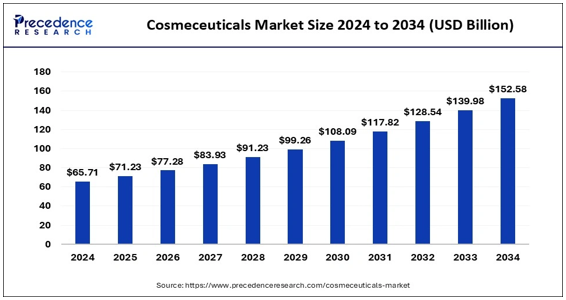
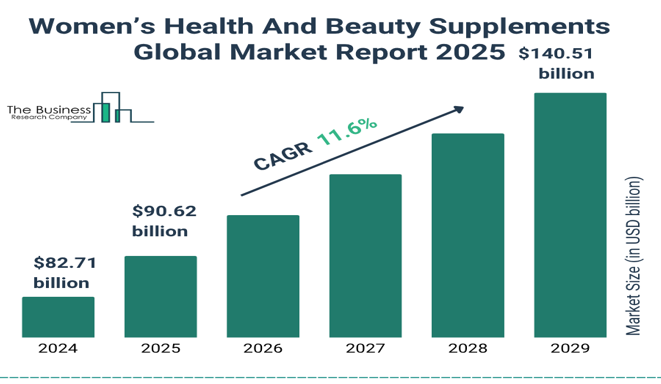
Figure 1: Cosmeceuticals and nutraceuticals (beauty supplements market (Courtesy of Precedence Research [22]and Business Research Company [23]
Therefore and according with the meanig of Beauty from Within, the contemporary use of cosmeceuticals and nutraceuticals are considered useful not only because related to the development of narcissidtic personality and self-esteem,but also because considered essential for the actual personal lifestyle [26].
According to the statements of the famous dermatologist from Philadelphia prof AM Kligman regarding the global body and face appearance in the older age group,it has to be remembered how the actual society is considering that “what is beautiful is good” while the “unattractive elderly individuals are perceived significantly less favorably” ,thus receiving less help[27].
Thus,for example, “ facial skin defects and,even relatively minor disfigurements can produce very real negative image in terms of how society are perceiving those so afflicted and how they perceive themselves”[27].Consequently the role of cosme-nutraceuticals and make-up become very important to enhance the more positive aspects of the global body’appearance.In conclusion “ individuals who take advantage of the modern cosmetic resources have a better chance to enter into a more positive cycle” , e n ha n c i n g their positive appearance [27].This the probable reason why the global beauty market’retail-sales grew to USD 446 billion in 2023 together with the luxury fashion market of travelling consumers [24,25].Regarding this market ,the Asia-Pacific area,excluding China and Australia ,showed an increase of 10% together with Middle Est, Africa and Latin America that remained the largest retail sales in 2023 (fig 2) [28] .
In any way,consumers are looking for technological products skin-Friendly and respective of the Environment.Thus,prior to purchasing the beauty products it’s necessary,to control their qualty,both in-store and on-line channels,comparing,characteristics,innovation and price[24].At this purpose,55% of Gen-Z consumers from Brazil,Europe,Japan and USA prefer to purchase the products in-store shopping, trying to control their effectiveness and safeness regarding skin and the Environment and considering the urgent necessity to reduce the consumption of water and energy,producing less plastic waste also[29]. At this purpose, all the cosme-nutraceuticals would be skin- and eco-friendly,
[30-33] Moreover they would be characterized for having major trends on the rise of longevity,prioritizing “An healthy beauty aging over simply erasing skin lines andwrinkles” [34,35].Therefore, the selected products would be based on ingredients and carriers that,controlled scientifically by in vitro and in vivo studies and the last technologies ,have to be made and packed by biodegradable natural polymers [31,32].
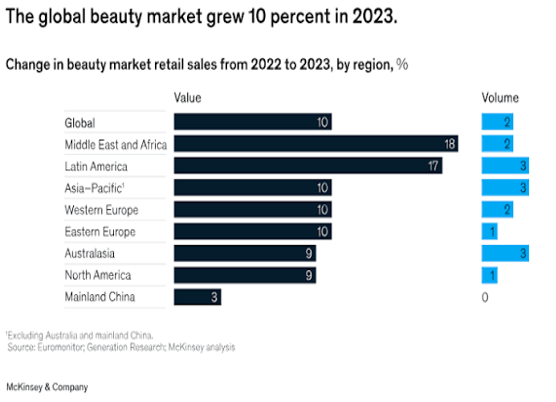
Figure 2: The global beauty market (Courtesy of Weaver et al McKinsey& Company [28])
As previously reported,nanobiotechnology would be characterized by the use of natural /biological ingredients and carriers at their micro-nano dimensions,because by these sizes they are able to self-assembly one another offering a great platformn to construct complex building-blocks and interesting new biomaterials with unusual property.
Just to remember ,a nanometer(nm) is equal to one billionth of a meter, the double helix of human DNA has a diameter between about 2 and 2.5 nm, while a red blood cell is between 6,000and 8,000 nm in diameter and one hair is from 50,000 to 100,000 wide [Fig 3].On the other hand Chitin nanofibrils(CN), reported and discussed soon after, are slender rods with a mean diameter and length of about 5-7nm and 240 nm respectively,being able to favour the formation of more compact fibers
when combined with chitosan[36,37.],while nano-lignin(NL) used from our research group has been selected between the purest ones found in the market.
At this purpose,novel carriers made by natural polymeric-tissues,embedded by CN-NL complexes encapsulating selected active ingredients,have been proposed from our research group to be used in the field of Cosmetic Dermatology.These original tissue-carriers,in fact,made by the electrospinning technology with natural polymers[38] and used as novel vehicles,activated by natural ingredients,have been proposed to make innovative cosmetics and dietary supplements(cosme-Nutraceuticals )
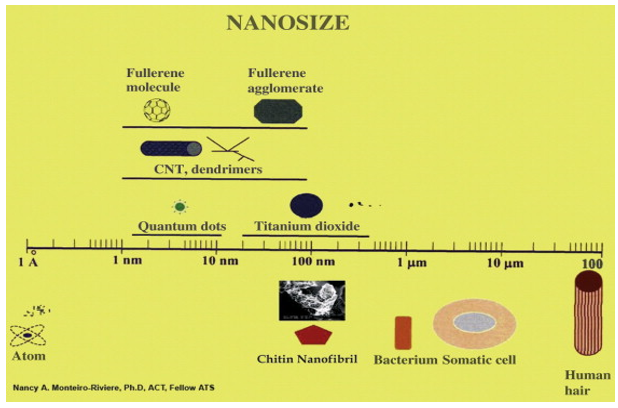
Figure 3: Nanosize dimension of molecules and bacteria (Courtesy of Morganti lab modified)
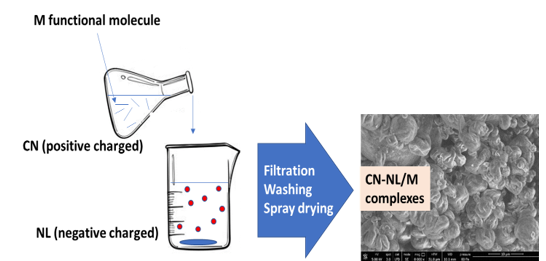
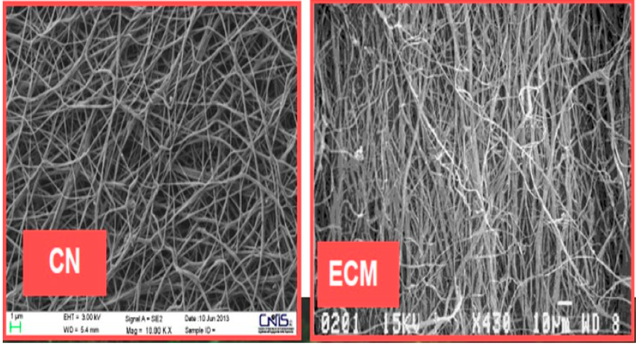
Figure 4: Method used for obtaining the CN-NL complexes activated by encapsulated ingredients and tissue ECM similar (Courtesy of Coltelli et al [40]and Morganti et al [48])
But how these tissue-carriers are made and how their Hypothesized mechanism of action might be?
Tissue-carriers
The tissue-carriers are made by natural biodegradable polymers obtained from the organic waste by which it’s possible to realize not only active and innovative cosme-nutraceuticals but also biodegradable packagings plastic-free [39].
During the technological process,the polymers are added to the electrospinning gel together with the complex of chitin nanofibrils-Nanolignin(CN-NL) ,previously activated by the encapsulation of selected active ingredients (functional molecules).Thus by the gel mixture of the electrospinning technology,it has been obtained the activated tissue-carrier ECM-like,as reported in figure 4 [40-45].Naturally both ingredients and polymers have been selected in accordance with the desired/hypothesizedeffectiveness and safety,designed and realized to make the programmed cosme-nutraceuticals [41,42].It’s interesting to underline,in fact,that by this technology and utilizing the same electrospinning-machine,it can be possible to produce activated tissue-carriers to be applied on the skin(cosmeceuticals) and activated tissue-carriers to be taken by oral route (nutraceuticals),useful to tealiec the socalled Beauty from Within ,previously reported and discussed(Fig 5).Moreover the hypothesized mechanism of action of these cosme-nutraceuticals is based on the ease with which the tissue-carriers have to release the active ingredients at level of both skin and mucous membranes.It has been shown,in fact,that this novel vehicle ,quickly solubilized by deionized water and adsorbed through the skin layers after a simple massage ,resulted more penetrative and effective ,compared to the classic emulsion used [43].Moreover,It’s interesting to underline that both Chitin and Lignin and their complexes CN-NL,when hydrolized by the skin enzymes, might act as antioxidant,skin-repairing,protective and pro-aging active agents,increasing and strengthening effectiveness and safety of the designed cosme-nutraceuticals [17-19,40-46].It has been shown ,in fact,that the proposed carrier-tissues ,could have the ability to easily release the encapsulated active ingredients at level of stratum corneum by a diffusion-controlled mechanism ,overcoming the skin barrier by their extremely small size and the ability to create momentary micropores at level of stratum corneum [ 46] .At this purpose it’s considered useful to give some news on the physicochemical and biological activity of Chitin nanofibrils and Lignin used by our research group.
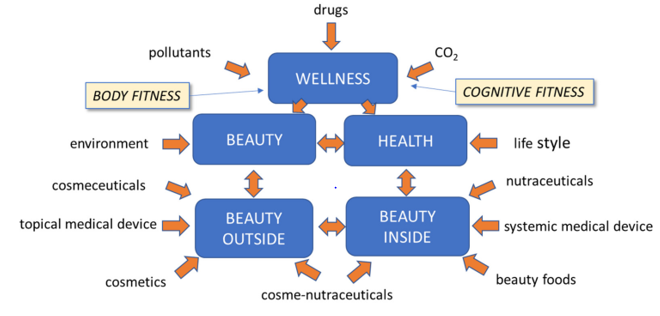
Figure 5: Beauty from Within characterized by a healthy beauty frominside out (Courtesy of the Coltelly lab Pisa University)
Chitin
Chitin, in its pure crystallin natural polymeric form consiste of N-glucosamine and N-acetyl-D-glucosamine units,joined together by beta1-4 chemical bonds.Each Chitin nanofibril (CN),composed by a Linear chain of about 18-25 units ,is made by a backbone similar to Hyaluronic acid (Fig 6)[45].Its water acid suspension with a pH between 2 and 4,contains about 300 trillion of needle-like crystals that ,positively charged on their surface, are able not only to envelop a great quantity of water,but also to form,by the gelation method,stable complexes with negative charged polymers,such as Hyaluronic acid and Lignin.In turn these complexes are able to encapsulate different active ingredients that,protecting them from the Environmental aggressions,result usefull to characterize the activity of the programmed carrier-tissues,as reportedc by our previous studies [36-46].Regarding the biodegradability and biocompatibility it’s to underline the capacity CN has to be degraded by different enzymes such as lysozime,lipases,N-acetyl-D-glucosaminidase and chitotriosidase(HCHT)that , activated by the body microbiota,are up-regulated by some human diseases,such as cardiovascular and coronary risks,prostata hyperplasia and other medical conditions [47].While mammals don’t produce Chitin,the polymer seems to be involved in some mechanisms of the innate immunity through the HCHT and other chitinase-enzymes,although the relative mechanisms of action remain jet unclear [48] .Moreover,the higher content of acetylated glucosamine groups of CN,seems capable to balance and favour the production of Hyaluronic acid and Collagen,necessary for avoiding and slowing down the skin aging phenomena[7,11,47,49]
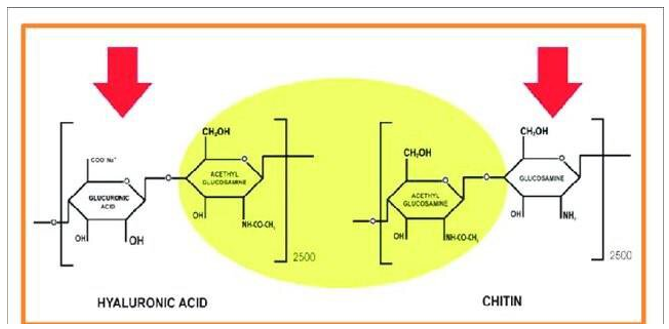
Figure 6: Yaluronic acid compared to Chitin (Courtesy of Morganti et al [45]
Lignin
Lignins are a family of natural macromolecular biopolymers that,representing around 15-30%of the vascular plant cell,are constituted by 3 monolignol-precursors:p-coumaryl alcohol,coniferyl alcohol and sinapyl alcohol ,which are in turn divided into guaiacyl (G-type),guaiacyl-syringyl(GS-type) and guaiacyl-syringyl-p-coumaryl( GSH-type)((fig7) [50-53].However the major obstacles for the Lignin Production is represented by the difficult the enxymes have to hydrolize its complex structure.
The majority of lignins,around 85%,are obtained from the lignocellulose biomass , produced by the Kraft method.By this method a black liquor has obtained during the industrial production of the paper pulping process so that,by the use of sodium sulfide and Sodium hydroxide,it’s possible to extract lignin as by-product [51-53]. By this method the obtained lignin has a low content of ash and carbohydrate with high aliphatic thiol groups.
Another method is the Lignosulfonate ones obtained from the lignocellulose biomass by the use of a mix of alkaline earth metal sulfites, able to produce a water soluble sulfonate system useful to make colloidal suspensions, surfactants,binders,etc.
However the purest lignin sulfur-free, together with bioethanol, cellulose and glycerin can be obtained by the organosolv biorefinery method,by which the polymer may be used to make value-added products. [52]. Moreover this negatively charged natural polymer has the capacity to react and easily complex many other polymers positively charged,such as Chitin and Hyaluronic acid, easily degraded by the human microbiota also [53].
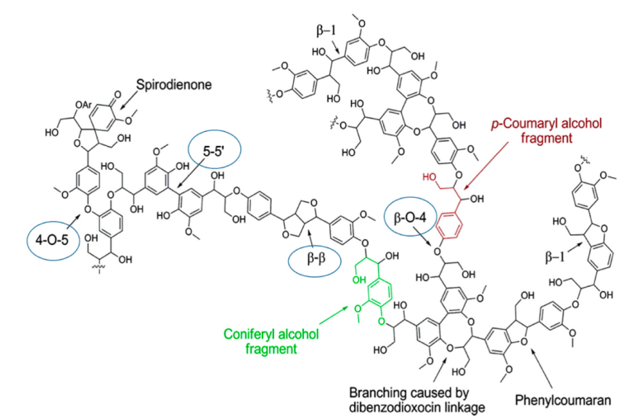
Figure 7: The supposed formule of Lignin (Courtesy of Morganti et al [49])
Tissue-carriers and energy consumption
Moreover and as previously reported,the use of these innovative carriers might result fundamental to partially reduce the actual increased consumption of waste, water and energy by the cosme-Nutraceuticals’production [29].The Cosmetic Industry,for example, consumes a great quantity of water and energy to make more than 12O billions of products’units every year,for producing emulsions(40%),solutions(90%) and shampoos(60%) [29].At this purpose ,it’s to underline that the global fresh water consumption ,has increased by a factor of six over the last 100 years, ranged every year around 4 trillion cubic meters and projected to rise by 20-30% by 2050! [29,54-59].The increasing consumption has been driven by the increased population and global technical development , registering almost 72%in the field of agriculture, followed from industry (16%),household and personal use(12%)(50).On the other hand, it has been registered a contemporary increased consumption of energy, rising from 77 million of British Thermal Unit (BTU) per capita by 2012 to an estimated 91 million per capita by 2035%,due to the interlinkage between the water, energy and food supply systems, caused by the rapid economic growth, expanding population and increasing prosperity [29,54-59].
Plastic-food Waste and pollution
Last but not least, it’s necessary to don’t forget the uncontrollable problems of waste, created to lands and oceans, invaded by plastics and micro-nanoplastics respectively. Plastics, in fact, poured into the oceans by rivers and lakes, transformed in micro-nano particles by the activity of sun rays and the microbial enzymes, is entering into our food. Thus, the ingested microplastics have been recovered in the blood [60], brain [61], placenta [62], DNA [63] and other organs [64].
Just to remember, over the period from 1950 to 2019 the global quantity of non-biodegradable plastics produced by petrol reached 9.5 billion of tons [66], creating a huge quantity of waste ,80% of which has been estimated to range the oceans [60-64].
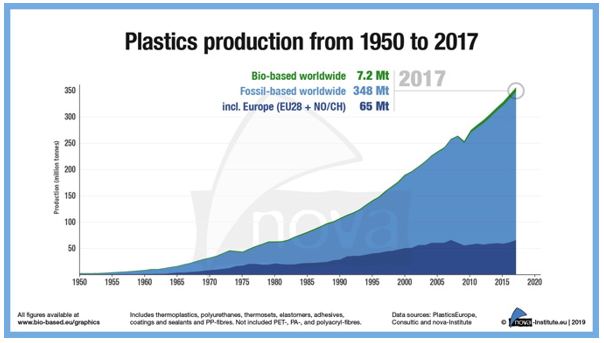
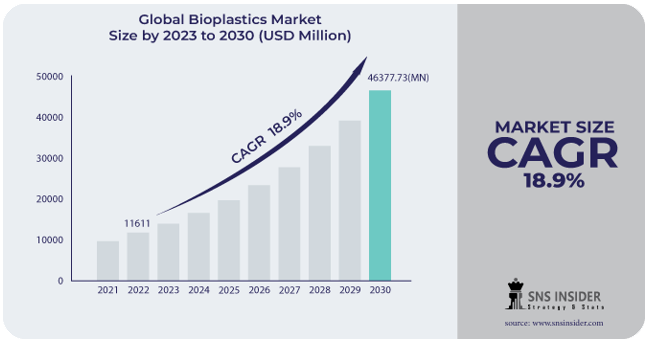
Figure 8: Production of non-biodegradable and biodegradable plastics from 1950 to 2017 (Courtesy of Nova Institute [67] and SNS [71]
Unfortunately, due to the fact that no more than 2-3%of the global plastic production is represented by the biodegradable bio-plastic, the waste pollution of non-degradable ones is increasing year by year .Thus the plastic waste that ranged every day around 2/5 million tons, it has been projected to range from 3.4 to 3.8 billion tonnes by 2050 !(fig 8)[68-73].As a consequence it has been estimated that around half million of plastics and microplastics is reaching daily the oceans, increasing the actual waste disaster. Additionally, regarding the plastic materials, used as monodose to pack food, it has been estimated by FAO that each year it has been lost or wasted one-third of all the global produced food for human consumption (1.3 billion tons for a value of around USD 400 billion) due for 45% to all fruit,38% to fish and seafood,30% to cereals,20% to daily products and 20% to meat [74].
Thus, the necessity to change our way of leaving, producing and consuming biodegradable goods possibly plastic-free, ameliorating the food chain from production to distribution and reducing the energy and water consumption also. At this purpose it’s to underline that food loss and waste has a significant impact on the Environment by a carbon footprint estimated to be around 3.3 gigatons. [72 ,73-75;].
The Eu Regulatory Approach
Foreword
In the context of European Union law, the regulation of cosmetic products and food supplements is characterised by strict rules aimed at ensuring a high level of consumer protection, in particular with regard to product safety and the consistency of the information provided in labelling and commercial communication. In this paper main regulatory and legal issues are focusing, on the one hand, on the use of nanomaterials and, on the other, on the wording of claims, which must be consistent with the nature of the product, adequately supported at a scientific level, and comply with the principles of truthfulness, transparency and non-misleading.
The growing diffusion of environmental and sustainability claims (also known as “green claims”) has further accentuated the complexity of the regulatory framework, imposing a coordinated reading of the sectoral provisions and the general legislation on unfair commercial practices. In this perspective, this contribution proposes to examine the main regulatory and interpretative references applicable, dwelling, in particular, on the interaction between the regulation of claims, the use of
nanomaterials and the communication of the environmental characteristics of products, in order to identify the relevant legal criteria for a correct qualification and use of the claims.
Cosmetic products
As far as cosmetic products are concerned, the legal framework of reference is mainly represented by Regulation (EC) No 1223/2009, which lays down strict requirements on the safety, composition and placing on the market of these products also concerning a specific regime for the use of nanomaterials, and this is because their small size may present inherent hazards, which does not appear in the non-nano form of substances. Due to this reason, among other provisions, the Regulation requires that all ingredients in the form of nanomaterials are clearly indicated in the list of ingredients (Art. 19(1)(g)).This is also consistent with the study carried out in 2020 for the European Union Observatory for Nanomaterials (EUON) and ECHA entitled Understanding the Public's Perception of Nanomaterials and How Their Safety Is Perceived in the EU, in which it was reported that nine out of ten respondents consider it important to be informed when purchasing a product containing nanomaterials. [75]
Although, therefore, the European Union pays attention to the use of the above-mentioned materials, it has not pronounced itself on what should the most appropriate claims to be used with reference to their use in a cosmetic be. Indeed, with reference to claims used in connection with cosmetic products, the European Union has decided to intervene with a general regulation. In particular, Article 20 of Regulation (EC) No 1223/2009 specifies that “in the labelling, making available on the market and advertising of cosmetic products, text, names, trademarks, pictures and figurative or other signs shall not be used to imply that these products have characteristics or functions which they do not have”, adding further that “the Commission shall, in cooperation with Member States, establish an action plan regarding claims used and fix priorities for determining common criteria justifying the use of a claim”. In order to implement the aforementioned rule, Regulation (EU) No. 655/2013 intervened, establishing the principle that claims must always be useful, understandable and reliable, as well as being such as to enable end consumers to make informed decisions and choose the products that best suit their needs and expectations [76] .Specifically, the Annex to the Regulation indicates the criteria that must be used (cumulatively) when making such statements, namely: legal compliance; truthfulness; evidential support; honesty; fairness; and informed decision-making (i.e. claims must be clear and understandable to the average end-user).
Regulation (EU) No. 655/2013 is complemented by the Commission's technical document as a soft law interpretative tool (Technical Document on cosmetic claims - version of 3 July 2017). The latter - starting from the six criteria mentioned above - provides application guidance for the assessment of the lawfulness of claims, specifying that their admissibility must be assessed on a case-by-case basis by national authorities and courts.
Food supplements
Food supplements, being considered foods for all intents and purposes, are subject to all European regulations referring to them. It is for this reason that, in addition to Directive 2002/46/EC on the approximation of the laws of the Member States relating to food supplements, Regulation (EU) 1169/2011 on the labelling of foods also comes into play, which expressly covers the presence of “engineered nanomaterials” in foods, including a definition [77]. In particular, the Regulation requires all ingredients present in the form of engineered nanomaterials to be clearly indicated in the list of ingredients, with the word “nano” in brackets following the name of these ingredients (Art. 18(3)). Mention must also be made of Regulation (EU) 2283/2015 (also known as the Novel Foods Regulation), which includes among innovative foods, to be understood as any food that was not used for human consumption to a significant degree within the Union before 15 May 1997, also foods consisting of engineered nanomaterials. In fact, pthe European Union felt the need to adopt rules to protect consumer health, in the face of the possible unconscious use of nanomaterials, as well as the voluntary application of nano-form ingredients in order to increase the bioavailability and efficacy of active ingredients.
Nonetheless, European legislation governing food claims - and therefore, by extension, food supplements claims - does not deal specifically with claims referring to the use of nanomaterials. Rather, from Regulation (EC) No. 1924/2006, which supplements Directive 2000/13/EC by laying down specific provisions concerning the use of nutrition and health claims in commercial communications, stems the general principle that nutrition and health benefits can only be promoted if there is scientific evidence in this regard and if the products comply with EU rules on labelling and advertising. Specifically, Art. 3 of the Regulation (EC) No. 1924/2006 provides that nutrition and health claims may not
The Regulation's claims take shape on the basis of fundamental principles in the field covered by Directive 2002/46/EC, of which it is necessary to mention the prohibition of attributing to food supplements therapeutic properties or the ability to prevent or cure human illnesses in the labelling, presentation and advertising of the product, as well as the prohibition of statements stating or implying that a balanced and varied diet is not able to provide sufficient nutrients in general.
Green claims
Neither the regulation of claims on foods nor the regulation of claims on cosmetics refer to environmental claims, which the European Union addressed for the first time only with EU Directive No. 825/2024. Indeed, the European Union, in order to protect consumers' rights, in addition to promoting ecological decisions and building a circular economy in which materials are reused and recycled, is also implementing existing rules on business practices and consumer protection. Despite the fact, therefore, that the Union has not specifically pronounced itself on environmental claims referring to cosmetics and food supplements or their ingredients, EU Directive No. 825/2024 must be considered as a point of reference in the formulation of such claims in order to prevent unfair and/or deceptive practices. Indeed, the aforementioned Directive (which was implemented in Italy by the Italian Legislative Decree No. 30 of 20 February 2026) amends DU Directives 2005/29/EC and 2011/83/EU as regards empowering consumers for the green transition through better protection against unfair practices and through better information, with the aim of preventing the phenomenon of greenwashing – which the European Parliament defines as the practice of giving a false impression of the environmental impacts or benefits of a product, which may mislead consumers – avoiding the use of misleading or vague environmental claims to promote a product as environmentally friendly. This text defines an environmental claim as “any message or representation which is not mandatory under Union or national law, in any form, including text, pictorial, graphic or symbolic representation, such as labels, brand names, company names or product names, in the context of a commercial communication, and which states or implies that a product, product category, brand or trader has a positive or zero impact on the environment or is less damaging to the environment than other products, product categories, brands or traders, or has improved its impact over time”. [78]
As far as it is of interest here, in particular, Directive No. 825/2024 expands the list of practices considered misleading by including a commercial practice that contains false information or misleads the average consumer with regard to the environmental characteristics of a product and induces or is likely to induce him/her to take a decision that he/she would not have taken otherwise. [79] Furthermore, a new paragraph is added to the article on misleading omissions (par. 7) on product comparison services in which information on the environmental characteristics or circularity aspects of these products or their suppliers is communicated to the consumer: in these cases, information on the method of comparison, the products compared and the suppliers of these products, as well as on the measures taken to keep the information up-to-date are considered relevant. [80]
Moreover, the European Union has drafted a proposal for a Directive on Green Claims, presented in March 2023 and not yet formalised, with the aim of combating greenwashing by interacting closely with Directive (EU) No 825/2024. A key aspect is that companies that want to promote their products or services using environmental claims must provide clear and verifiable evidence to prove their claims. [81]
Thus, when making an environmental claim concerning a food supplement, it will be necessary to comply not only with Directive No. 825/2024, but also with Regulation (EC) No. 1924/2006.At the same time, when making an environmental claim concerning a "green" cosmetic, in the absence of specific rules on the latter, both Regulation No. 655/2013 and EU Directive No. 825/2024 must be taken into account. In this context, it is also worth mentioning a guideline that has become an international benchmark in the cosmetics world over the years, namely ISO 16128 - "Guidelines on technical definitions and criteria for natural and organic cosmetic ingredients and products". This is a soft-law instrument that provides guidelines on definitions applicable to natural and organic cosmetic ingredients and products, indicating standards for calculating naturalness indices for ingredients and finished products.The aim of the standard, indeed, is to encourage a wide choice of natural and organic ingredients in the formulation of a diverse variety of cosmetics, as well as the production of innovative products in this sense, and can be taken as a valid reference point to describe the composition of so-called green cosmetics. In particular, the standard gives a definition of “natural ingredient”, i.e. that cosmetic ingredient obtained from plants, animals, micro-organisms or minerals, including those obtained from them through physical processes, fermentation, or other preparation procedures, including traditional ones such as solvent extraction, without intentional chemical modification.At the same time, it defines “organic ingredients” as natural ingredients that originate from organic farming methods or spontaneous harvesting carried out in accordance with national regulations or equivalent international standards, where applicable. After that,the standard provides guidance for determining whether certain ingredients can be qualified as natural, of natural origin, organic or of organic origin.
Conclusions regarding the EU Regulations
In conclusion, the European regulatory framework, on the one hand, addresses the issue of the use of nanomaterials in the products under consideration, and on the other hand, does not provide for an ad hoc discipline in relation to claims relating to the use of such materials, but already offers an articulated and substantially coherent system of rules capable of governing the use of environmental claims referring to “green” food supplements and/or cosmetics. From a coordinated reading of Regulation (EC) No. 1924/2006, Regulation (EU) No. 655/2013, the general legislation on unfair commercial practices - as updated by Directive (EU) 2024/825 - and further European initiatives on green claims, a clear underlying principle emerges: any claim, including environmental or sustainability claims, must be truthful, supported by scientific evidence, clearly worded and such as not to mislead the average consumer.
In this context, technical tools such as the ISO 16128 standard assume an important, albeit non-binding, role in providing shared and verifiable criteria for qualifying ingredients and products as natural or organic, thus helping to strengthen the credibility of environmental claims. However, the very absence of specific indications on claims relating to the use of nanomaterials increases the responsibility of economic operators, who are required to make particularly rigorous and prudent use of claims.
It follows that, even with reference to sustainable vehicles used in cosmetics, it is not so much the lack of specific standards that represents a regulatory vacuum, but rather the need to apply existing principles in an integrated and substantial manner. In other words, sustainability can certainly constitute a distinctive and competitive element of the product, but only on condition that it is communicated according to criteria of transparency, verifiability and fairness. [81]
Ultimately, the real challenge for the sector lies in the ability to do so without slipping into greenwashing practices rather than in the possibility of enhancing the “green” characteristics of products. In fact, only a communication approach based on solid evidence and on a faithful representation of product characteristics makes it possible to combine market needs with the objective, central to European law, of guaranteeing a high level of consumer protection and promoting truly informed purchasing choices% [75-81]
In conclusion the proposed tissue-carrier made by natural polymers embedded by the activated complex CN-NL,free of water and chemicals such as emulsifiers,preservatives , fragrances and colors and packed by biodegradable foils of paper and/or alluminium , might be an example of a sustainable,biodegradable-based and plastic-free novel vehicle to be used for producing innovativecosme-nutraceuticals skin- and environmentally-Friendly.Thus by these novel rissue-carriers will be possible to accept and increase the use of natural biodegradable raw materials necessary to make polymers and products by the Circular economy based in redisigning,reducing,recycling and reusing,abandoning the actual linear economy based on the use of petrol-derived polymers that “ make and produces waste”[17-19,36-44].
At this purpose the new proposed carriers ,made by natural active ingredients,and polymers obtained from the waste biomass and based on the Circular economy, might represent an interesting help to maintain an healthy beauty,capable to preserve the Earth’natural Environment for the future generations, maintaining its Biodiversity also[17-19,36-44].At this purpose it is interesting to underline that the enzyme, chitinase present in our organism,seems able to slow down the aging process[82,83],for example, hydrolizing in single units the Chitin polymer and using them to synthesize Hyaluronic acid [84-87].This interesting phenomenon recently re-discovered would give further support to the cosme-nutraeuticals’effectiveness,evidenced by the activity of our tissue-Carriers. Regarding, the actual EU rules on the production, consumption and advertising of cosmetics and diet supplements and their vehicles these new tissue carriers are in Line with the actual EU and International rules, as previously reported and discussed [75-81]
Author contributions: idea of manuscript PM; Writing original Draft preparation, writing review, editing and supervision PM and SS; All the authors have read and agree to the publishing version of manuscript Institutional review board statement: not applicable
Informed consent statement: not applicable
Data availability statement: not applicable
Funding: not applicable
Conflict of interest and AI: The Author declare no Conflict of interest and use of AI to control grammar only
Dear Editorial Team, Clinical Medical Reviews and Reports. My experience with the journal was highly positive. The peer-review process was rigorous, constructive, and completed in a timely manner. The reviewers provided valuable comments that helped improve the quality and clarity of our manuscript. The editorial office was professional, responsive, and supportive throughout all stages of the publication process. Communication was clear and efficient, and any questions were addressed promptly. Overall, I found the journal to maintain high scientific standards and an excellent publication workflow. I would be pleased to consider submitting future work to this journal. Best wishes from, Elena Popa.

It was my pleasure to submit my testimonial concerning the Reviewer Board of our Scientific Journal “Brain and Neurological Disorders”. The Reviewers focused on some modifications and their contribution was helpful. The ladies of our Editorial Office were also supported my efforts. It was my honor to have such a co-operation and I am looking forward for more collaboration.

Dear Grace Pierce, Editorial Coordinator of Journal of Clinical Research and Reports, Thank you for the speedy and efficient peer review process. I appreciate the fact that your peer reviewers do not take months to respond like with some other journals. I would also like to thank the editorial office for responding quickly to my questions. It is an excellent journal. I plan to submit more manuscripts in the future. Best wishes from, Robert W. McGee

Dear Grace Pierce, Editorial Coordinator of Journal of Clinical Research and Reports, Working with you and your team on our recent publication in JCRR has been a truly wonderful and enjoyable experience. The responses were prompt, and the reviewers were patient, constructive, and highly professional. One reviewer in particular gave me the feeling that a professor was carefully reading and commenting on my coursework, which was deeply touching. The entire process was straightforward and hassle‑free, with no tedious online forms to complete. I highly recommend this journal. Best wishes from, DR Aibing Rao, Head of R&D

I Appreciate the Opportunity to Share my Experience with the Journal of Clinical Research and Reports. The peer review process was timely and constructive, and the feedback provided helped improve the quality of our manuscript. The editorial office was professional, responsive, and supportive throughout the process, ensuring smooth communication and efficient handling of the submission. Overall, it was a positive experience collaborating with your team.

Dear Mercy Grace, Editorial Coordinator of Obstetrics Gynecology and Reproductive Sciences, We would like to express our gratitude for your help at all stages of publishing and editing the article. The editors of the magazine answer all the necessary questions and help at every stage. We will definitely continue to cooperate and publish other works in the Obstetrics Gynecology and Reproductive Sciences! Best wishes from, Alla Konstantinovna Politova,