Research Article | DOI: https://doi.org/10.31579/2693-7247/249
1 Department of Pharmacology and Therapeutics, College of Medicine and Health Sciences, Gregory University, Uturu, Abia State, Nigeria.
2 Department of Anatomical Pathology, College of Medicine and Health Sciences, Abia State University, Uturu, Nigeria.
3 Department of Chemical Pathology, College of Medicine and Health Sciences, Abia State University, Uturu, Nigeria.
4 Department of Internal Medicine, College of Medicine and Health Sciences, Abia State University, Uturu, Nigeria.
*Corresponding Author: Donatus O. Anele, Dean, Department of Pharmacology and Therapeutics, College of Medicine and Health Sciences, Gregory University, Uturu, Abia State, Nigeria.
Citation: Donatus O. Anele, Victor Okoroukwu, Ezekwesiri Ekeke, Franklin E. Igwe, Michael C. Orih, et al., (2026), Assessment of the Analgesic Potential of Medicago sativa Leaf Extract in a Rodent Model of Acetic Acid-Induced Writhing, J. Pharmaceutics and Pharmacology Research, 9(1); DOI: 10.31579/2693-7247/249
Copyright: © 2026, Donatus O. Anele. This is an open access article distributed under the Creative Commons Attribution License, which permits unrestricted use, distribution, and reproduction in any medium, provided the original work is properly cited.
Received: 01 August 2026 | Accepted: 13 August 2026 | Published: 24 August 2026
Keywords: Medicago sativa, analgesic potential, rodent model, acetic acid-induced writhing, Wistar rats, ethanol leaf extract, pain inhibition
Background: This research investigates the analgesic potential of Medicago sativa (Alfalfa) leaf extract in a rodent model of acetic acid-induced writhing. Medicago sativa, known for its medicinal properties, has been traditionally used to alleviate pain.
Methods: Fresh leaves of Medicago sativa were collected, identified, and authenticated. The leaves were air-dried, pulverized, and extracted using 80% ethanol. The resulting extract was concentrated, yielding a dry extract, which was reconstituted in distilled water to achieve desired doses. Thirty adult Wistar rats were divided into five groups and pre-treated with normal saline, Medicago sativa leaf extract (at doses of 200 mg/kg, 400 mg/kg, and 600 mg/kg), or acetylsalicylic acid (ASA) at 150 mg/kg. After 30 minutes, rats were subjected to acetic acid-induced writhing, and the number of abdominal constrictions was recorded for 30 minutes.
Results: The ethanol extract of Medicago sativa leaf demonstrated significant analgesic activity at doses of 200 mg/kg (48% inhibition), 400 mg/kg (76% inhibition), and 600 mg/kg (91% inhibition). Acetylsalicylic acid (ASA) at 150 mg/kg also exhibited significant pain inhibition (97%).
Conclusion: Medicago sativa leaf extract possesses analgesic potential, as evidenced by its significant reduction in acetic acid-induced writhing in Wistar rats. The findings suggest a promising avenue for further exploration of Medicago sativa as a natural analgesic agent.
Pain management is a critical aspect of healthcare, and researchers are continually exploring novel compounds and therapeutic strategies to alleviate pain effectively. One such avenue of investigation involves the exploration of natural products with potential analgesic properties. Medicago sativa, commonly known as alfalfa, has a rich history of traditional medicinal use and contains various bioactive compounds. This study aims to assess the analgesic potential of Medicago sativa leaf extract in a rodent model of acetic acid-induced writhing, utilizing Wistar rats.
Medicago sativa, a member of the Fabaceae family, has been traditionally employed in various cultures for its purported anti-inflammatory and analgesic properties [1]. The plant contains a diverse array of bioactive constituents, including alkaloids, flavonoids, saponins, and terpenoids, which have demonstrated pharmacological activities in previous studies [2,3].
Acetic acid-induced writhing in rodents, particularly Wistar rats, is a well-established model for studying visceral pain and assessing potential analgesic agents. The administration of acetic acid induces abdominal contractions and writhing responses, serving as a reliable measure of nociception [4]. The use of this model allows researchers to evaluate the efficacy of analgesic compounds in mitigating pain-associated behaviors.
Previous studies have reported the analgesic effects of various plant extracts, emphasizing the potential of natural products as alternatives to conventional analgesic agents. Medicago sativa, with its diverse phytochemical composition, presents a promising candidate for further exploration in the context of pain management [5-7].
The rationale behind this research lies in the need for safer and more effective analgesic agents, particularly those derived from natural sources. Understanding the analgesic potential of Medicago sativa leaf extract in a well-established rodent model can contribute valuable insights to the development of alternative pain management strategies.
Plant Collection and Identification
Fresh leaves of Medicago sativa (Alfalfa) were collected from farms at Obinze and Eziobodo, both in Owerri West Local Government Area of Imo State, Nigeria. The plant was identified and authenticated by Mr. Ibe Ndukwe, a taxonomist in the Department of Forestry, College of Environmental Sciences, Michael Okpara University of Agriculture, Umudike, Abia State and a sample specimen MOUAU/ZEB/21/009 was deposited in the University herbarium for reference.
Extraction of Plant Materials
The leaves were sliced into pieces, air-dried at room temperature and pulverized into powder using a Warring commercial blender. Eight hundred grams (800 g) of the coarse powder of M. sativa leaves were weighed by a sensitive digital weighing balance. The powder was soaked in a flask containing 80% ethanol (2.5 L w/v) and then placed on a shaker with occasional shaking for 48 hours at room temperature. The mixture formed was filtered using Whatman (No.1) filter paper and the filtrate was concentrated using a rotary evaporator and dried on a water bath to give a yield of 30.45 g (4 % w/w) dry extract with a greenish colour. It was preserved in a refrigerator at 4 for further analysis. The extract was later reconstituted in distilled water to give desired doses of 200 mg/kg, 400 mg/kg, and 600 mg/kg body weight. The percentage yield was calculated using the formula of Ezirim et al. [8] as stated below:
% yield = 
Experimental Design
Thirty (30) Adult Wistar rats (200 – 250 g) of either sex were used in this study. The animals were sourced from Department of Zoology, Faculty of Biological Sciences, University of Nigeria, Nsukka. They were kept in the animal house of the Department of Pharmacology and Therapeutics, College of Medicine and Health Sciences, Abia State University, Uturu, Abia State. The animals were acclimatized for 14 days prior to the experiment. They were fed with standard diet (Ladokun feeds, Ibadan) and had access to water ad libitum. They were maintained under standard conditions of humidity, temperature and 12 hours light and 12 hours darkness cycle. The animals were used in accordance with the National Institute of Health guide for the care and use of Laboratory Animals [9].
The animals were divided into five groups of six each and pre-treated as follows: Group 1, which serves as control, received 0.2 mL of normal saline. Group 2, 3 and 4 received 200 mg/kg, 400 mg/kg and 600 mg/kg body weight of the M. sativa leaf extract, respectively, while group 5 received Acetylsalicylic acid (ASA) 150 mg/kg body weight. All the treatments were administered intraperitoneally (I.P). Thirty (30) minutes after pre-treatment, each rat was given 0.7% of an aqueous solution of acetic acid (20 ml/kg). The rats were then placed in transparent Perspex observation boxes and the number of abdominal constrictions were counted for 30 minutes after treatment. The percentage inhibitions of constrictions for the extract and ASA groups were calculated as:
% inhibition = 
The three doses used in the ethanol extract showed significant (p<0>
Table 1: The effect of ethanol leaf extract of M. sativa on acetic acid- induced writhing in rats.
| Drug | Dose (mg/kg) | Writhes | % Inhibition |
| Control | 20 mL/kg | 37.50±2.53 | - |
M. sativa | 200 | 19.50±0.43 | 48a |
| 400 | 8.83± 0.48 | 76b | |
| 600 | 3.50± 0.43 | 91b | |
| Aspirin | 150 | 1.00± 0.52 | 97 b |
One-way ANOVA + Dunnett’s post hoc test (n=6). a P<0>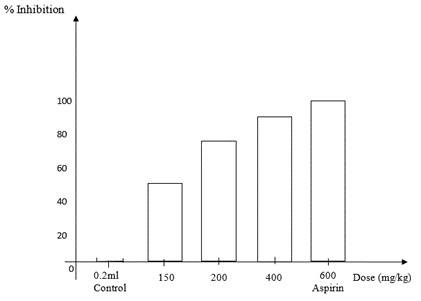
Figure 1: Bar Chart of Ethanol Leaf extract of M. sativa on Acetic Acid – induced writhing.
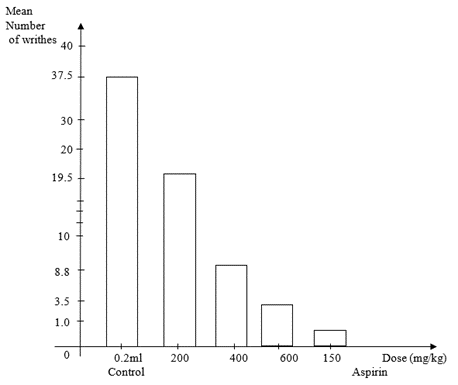
Figure 2: Oral Acute Toxicity test of M. sativa ethanol leaf Extract.
Pain sensation is known as one of the reasons why people ask for medical help, and therefore drugs for pains were commonly approved to relieve pain [10,11]. The use of analgesics such as non-steroidal anti-inflammatory drugs (NSAIDs), Aspirin, opiates, as pain killers/relievers had not been successful in all cases, as a result of adverse effects, such as liver damage [12]. The strategy now is to search for clinically new and useful analgesics with negligible or no side effects. Analgesic activity of M. sativa was determined by acetic acid-induced writhing in rats. In this test, an intraperitoneal injection of acetic acid triggers the release of several inflammatory mediators such as prostaglandins, bradykinins, histamine, serotonin, cyclooxygenase (COX), and pro-inflammatory cytokines (IL-1, IL-6, IL-8, and TNF-α). These mediators enter the dorsal horn of CNS and stimulate primary afferent nociceptors, and initiated pain response [13,14]. The results of the present study revealed that M. sativa ethanol leaf extract at doses employed exhibited analgesic effect against chemically induced pain (writhing) by acetic acid [15].
The results showed that the extract had peripheral analgesic properties which suggested that the action might be directed via opposition of receptors in local peritoneal nerves [16]. Irrespective of whether the model evaluates peripheral analgesic action only or non-specific, the results validated the usefulness of this plant in Nigeria, as an analgesic agent. The injection of acetic acid is reported to induce prostaglandins and other cycloxygenase mediators [17,18]. This suggested that the ethanol extract of M. sativa acted by antagonizing cycloxygenase actions said to facilitate prostaglandins production through arachidonic acid [18]. The analgesic effects produced by the experimental plant (M. sativa leaf) significantly exhibited analgesic activity; it inhibited acid induced writhing response in the experimental animals. This pain mechanism, believed to involve local peritoneal receptors, [10,11] was caused by peritoneal fluid concentration of PG-E2 and PG-F2 [19]. This method is reliable and also afforded rapid evaluation of peripheral type of analgesic action and the animals reacted in a characteristic stretching manner which was referred to as writhing. Acetic acid induced writhes is a sensitive procedure in detecting analgesic effect of medicinal agents [10]. Medicago sativa extract was found to inhibit acetic acid-induced writhing response in the experimental animals. The abnormal constriction was related to the sensitization of pain receptors by prostaglandins. It was possible that the analgesic effect of the extract might be due to the inhibition of prostaglandin synthesis.
Our earlier study on the phytochemical composition of M. sativa revealed the presence of alkaloids, flavonoids, saponins and also indicated a higher level of polyphenols content (flavonoids, phenol, and tannins) in the M. sativa [20]. The analgesic activity of M. sativa might be due to the presence of alkaloids, flavonoids, phenols, and tannins since previous scientific investigations reported that these bioactive phytoconstituents have significant analgesic activity [21-24].
Earlier studies have reported the analgesic activity of some plant extracts against acetic acid induced writhing. For example, Chy et al. [25] reported the analgesic activity of Piper sylvaticum leaves, Hasan et al., [26] investigated the analgesic activity of ethanolic decoction of Commelina benghalensis roots. Anacardium occidentale extract has also been reported to possess analgesic activity [27]. In a related study, Boussouf et al. [24] elucidated the analgesic activity of Mentha rotundifolia L. leaves. Similarly, Morteza-Semnani et al. [23] revealed the analgesic properties of Glaucium paucilobum. The findings of the current study align with this growing body of research, reinforcing the idea that plant extracts, such as M. sativa, could play a significant role in the development of novel analgesic agents.
The results of the current study suggest that the ethanol leaf extract of Medicago sativa possesses significant analgesic potential in a rodent model of acetic acid-induced writhing comparable to the effects of the standard drug acetylsalicylic acid. These findings align with existing literature on the analgesic properties of plant extracts, emphasizing the importance of further research to elucidate the specific mechanisms responsible for the observed effects. The study contributes valuable insights into the potential therapeutic use of Medicago sativa in managing pain, opening avenues for future investigations and the development of novel analgesic agents.
Dear Editorial Team, Clinical Medical Reviews and Reports. My experience with the journal was highly positive. The peer-review process was rigorous, constructive, and completed in a timely manner. The reviewers provided valuable comments that helped improve the quality and clarity of our manuscript. The editorial office was professional, responsive, and supportive throughout all stages of the publication process. Communication was clear and efficient, and any questions were addressed promptly. Overall, I found the journal to maintain high scientific standards and an excellent publication workflow. I would be pleased to consider submitting future work to this journal. Best wishes from, Elena Popa.

It was my pleasure to submit my testimonial concerning the Reviewer Board of our Scientific Journal “Brain and Neurological Disorders”. The Reviewers focused on some modifications and their contribution was helpful. The ladies of our Editorial Office were also supported my efforts. It was my honor to have such a co-operation and I am looking forward for more collaboration.

Dear Grace Pierce, Editorial Coordinator of Journal of Clinical Research and Reports, Thank you for the speedy and efficient peer review process. I appreciate the fact that your peer reviewers do not take months to respond like with some other journals. I would also like to thank the editorial office for responding quickly to my questions. It is an excellent journal. I plan to submit more manuscripts in the future. Best wishes from, Robert W. McGee

Dear Grace Pierce, Editorial Coordinator of Journal of Clinical Research and Reports, Working with you and your team on our recent publication in JCRR has been a truly wonderful and enjoyable experience. The responses were prompt, and the reviewers were patient, constructive, and highly professional. One reviewer in particular gave me the feeling that a professor was carefully reading and commenting on my coursework, which was deeply touching. The entire process was straightforward and hassle‑free, with no tedious online forms to complete. I highly recommend this journal. Best wishes from, DR Aibing Rao, Head of R&D

I Appreciate the Opportunity to Share my Experience with the Journal of Clinical Research and Reports. The peer review process was timely and constructive, and the feedback provided helped improve the quality of our manuscript. The editorial office was professional, responsive, and supportive throughout the process, ensuring smooth communication and efficient handling of the submission. Overall, it was a positive experience collaborating with your team.

Dear Mercy Grace, Editorial Coordinator of Obstetrics Gynecology and Reproductive Sciences, We would like to express our gratitude for your help at all stages of publishing and editing the article. The editors of the magazine answer all the necessary questions and help at every stage. We will definitely continue to cooperate and publish other works in the Obstetrics Gynecology and Reproductive Sciences! Best wishes from, Alla Konstantinovna Politova,