Research Article | DOI: https://doi.org/10.31579/2688-7517/101
School of Physical Education, Southwest University of Finance and Economics, Chengdu, China.
*Corresponding Author: Li Xingang, School of Physical Education, Southwest University of Finance and Economics, Chengdu, China.
Citation: Jian Gong, Li Xingang, (2025), Study on the Impact of Physical Exercise on College Students ‘Life Satisfaction: The Chain Mediating Role of Self Efficacy and Psychological Resilience, J. Addiction Research and Adolescent Behaviour, 8(3) DOI:10.31579/2688-7517/101.
Copyright: © 2025, Li Xingang. This is an open-access article distributed under the terms of The Creative Commons Attribution License, which permits unrestricted use, distribution, and reproduction in any medium, provided the original author and source are credited.
Received: 04 November 2025 | Accepted: 12 November 2025 | Published: 21 November 2025
Keywords: physical exercise; self-efficacy; psychological resilience; life satisfaction
Background: In recent years, college students have experienced an accelerated pace of life and increased academic pressure, leading to prominent physical and mental health issues. Physical exercise, as a positive way of physical and mental activity, is associated with positive psychological qualities and has varied impacts on the mental health of college students. Meanwhile, subjective well-being has garnered attention, and physical exercise is psychologically relevant. Against this backdrop, research has been conducted to explore the relationship between physical exercise and college students' life satisfaction, as well as the underlying influencing mechanisms.
Method: A sample of participants who engaged in regular physical exercise was recruited for data collection. Structural equation modeling was employed to analyze the hypothesized mediation model, including: Direct path: Physical exercise → Life satisfaction. Indirect paths: Physical exercise → Self-efficacy → Psychological resilience → Life satisfaction.
Results: Physical exercise demonstrated significant positive correlations with both self-efficacy (β=0.42, p<0.01) and psychological resilience (β=0.38, p<0.05) Self-efficacy fully mediated the relationship between exercise and psychological resilience Both indirect (β=0.16, p<0.01) and direct effects (β=0.27, p<0.001) of physical exercise on life satisfaction were statistically significant.
Conclusion: The findings reveal a dual-pathway mechanism where physical exercise enhances life satisfaction through: An indirect pathway mediated by improved self-efficacy and subsequent psychological resilience A direct pathway independent of mediator variables. These results underscore the importance of cultivating self-efficacy and psychological resilience in exercise interventions for optimizing well-being outcomes.
In recent years, with the acceleration of pace of life and the increase of study pressure, the physical and mental health issues of college students have become increasingly prominent. Physical exercise, as a positive way of physical and mental activity, can promote individual psychological health [1]. Researchers in the field of sports science have confirmed that physical exercise is was positively related to related to positive psychological qualities, and the unique autonomy, competitiveness, and entertainment of sports projects promote the development of positive psychological qualities in individuals. The choice of different types of physical exercise content, time, location, as well as the intensity and selection of sports projects have different effects on the psychological health of college students [2]. Subjective well-being is a key topic discussed in the field of positive psychology in recent years [3]. Proposed that individuals evaluate their overall life quality as a means of assessing their subjective well-being, both of which can be important indicators of individual psychological development and Li Jinzhen et al [4,5]. In the process of physical exercise, When the psychological needs of coordination and role positioning between individuals and team members
are met, their satisfaction will also show a positive relationship, thereby increasing personal happiness. level of life satisfaction to some extent reflects psychological health status. Studying the internal relationship between sports and college students' life satisfaction is of great significance for promoting mental health education for college students.
Physical exercise has attracted the attention of psychologists, and research has found that it not only directly affects life satisfaction was positively related to but also plays a protective role in life satisfaction through psychological resilience and mental health [6]. Study conducted by Gould and his colleagues reveals that athletic competition can predict perfectionism, which is identified as one of the personality traits among Olympic champions. Additionally, college athletes exhibit a higher tendency towards implicit perfectionism compared to their non-athlete counterparts, and they also significantly outperform the latter on the dimension of positive perfectionism [7]. You pointed out that college students' understanding of life and the world has not yet been fixed. Once they encounter setbacks in their studies, employment, love, and other aspects, they are prone to psychological crises. Strong self-regulation and recovery abilities are crucial for the psychological development of college students. Psychological resilience is a factor in overcoming adversity and adapting to development, providing protection and prevention for individual mental health issues. Appropriate intervention measures should be taken to improve the resilience of college students, especially their psychological resilience, such as strengthening mental health counseling and conducting regular psychological assessments related to sports [8]. Scholar Liu pointed out that self-efficacy is an intrinsic driving force of psychological resilience, and there is a certain correlation between the two [9]. Through a comprehensive analysis, this study selects four variables including physical exercise, life satisfaction, self-efficacy, and psychological resilience to discuss in depth the research on the relationship between physical exercise and life satisfaction, as well as its influencing mechanisms. Most studies have indicated that physical activity interventions can enhance individuals' subjective well-being [10]. Research by Netz [11] and Wicker et al. It has been shown that sports activities do not have a positive or even negative relationship with the subjective well-being of certain groups of people [12]. Additionally, Qu Hui's study revealed that college students with a tendency for exercise dependence may experience anxiety and depression when their exercise plans are hindered. Consequently, it can be seen that the relationship between physical exercise and well-being is somewhat complex, and its positive promoting effect may be diminished by other psychological variables [13]. Firstly, relationships among physical exercise, life satisfaction, psychological resilience, and self-efficacy among college students is investigated. Secondly, the study explores the impact possible mechanism of physical exercise on life satisfaction among college students, and verifies the mediating effects of self-efficacy and psychological resilience between physical exercise and life satisfaction among college students. By utilizing physical exercise to enhance self-efficacy and promote psychological resilience among college students, their level of life satisfaction can potentially can be elevated. The aim is to explore effective ways to improve college students' life satisfaction [14].
2.1 Theoretical Basis
2.1.1 Research on Physical Exercise and Life Satisfaction
Cronin et al.’s study highlighted the importance of student personal development as a key goal of modern education policies and curriculum documents. The promotion of mental health and the development of life skills through physical education have garnered attention in academic circles [15]. Malli research indicated that participation in sports can improve students' physical and emotional well-being, creating an inclusive sports culture that promotes healthy living and enhances life satisfaction [16]. Research by Blanco examined the relationship between health-promoting behaviors and life satisfaction in high school adolescents through a cross-sectional study [17]. The results revealed that physical activity was a unique predictor of life satisfaction, with a strong correlation between adolescent physical activity and life satisfaction – indicating that higher levels of physical activity are associated with greater happiness [18]. Numerous studies have suggested that increased participation in and intensity of sports lead to greater subjective well-being, with higher levels of life satisfaction observed among university students who regularly engage in physical activities [19]. Scholars like Zhong Huamei have pointed out that participating in sports not only improves self-rated health and physical well-being but also expands social networks, enhances social trust, and boosts social reputation, ultimately improving life satisfaction [20]. Xu Huanyu believes that physical exercise has a positive relationship with life satisfaction, as well as an indirect relationship through psychological resilience and mental health, playing an important role in influencing life satisfaction [21]. Dai Qun validated the correlation between physical exercise and life satisfaction in older adults, highlighting the mediating effects of self-efficacy, social support, and self-esteem in the relationship between physical exercise and life satisfaction [22]. In conclusion, many scholars agree that physical exercise plays a significant role in promoting mental health across different population groups, was positively related to life satisfaction and improving negative emotions. Current research often focuses on individual aspects such as specific exercise programs or levels of physical activity, lacking comprehensive studies on the combined and interactive effects of various factors on life satisfaction. There is also a scarcity of research exploring the underlying relationships and mechanisms between physical activity and life satisfaction, with most studies being theoretical rather than empirical. Furthermore, research primarily targets specific populations, Research on ordinary college students is limited. Future research should delve into the positive relationship between physical exercise and the mental health of college students, and explore feasible strategies to improve life satisfaction in the process of campus mental health education.
2.1.2 Research on Self-efficacy and Psychological Resilience
Self-concept is an individual’s self-awareness of various aspects of himself, including self-description and self-evaluation [23]. Self-efficacy refers to an individual's belief and confidence in their ability to successfully complete a task or activity, which is an important factor influencing behavior and motivation [24]. In sports, as college students improve their skills and progress in their performance, their self-efficacy will be positive related to. This positive psychological state will encourage them to participate more actively in exercise, creating a virtuous cycle [25]. Psychological resilience, on the other hand, refers to an individual's ability to maintain adaptability and resilience when facing stress, setbacks, and other adversities [26]. Individuals with high psychological resilience are better able to maintain an optimistic and resilient attitude when faced with challenges, thus better coping with various difficulties in life [27]. Bandura first proposed the concept of self-efficacy, suggesting that self-efficacy is the belief in one's ability to solve difficulties and challenges when faced with them. Research indicates that individuals vary in their confidence and ability requirements when encountering different environments and problems, leading to varying levels of self-efficacy in different industries and environments [28]. Bilge found that individuals respond differently to adverse or traumatic events based on their psychological resilience, with emotional self-efficacy explaining this relationship in the relational screening model [29]. Liu demonstrated through empirical analysis that physical exercise positively predicts both self-efficacy and psychological resilience, with physical exercise playing a significant positive regulatory role in the relationship between physical exercise and psychological resilience. Scholar Yang used the Physical Activity Level Scale, Comprehensive Mental Health Questionnaire, and Social Self Efficacy Scale among researchers studying physical exercise among college students, indicating a positive correlation between physical exercise and predicting mental health, as well as a significant positive moderating effect of physical exercise on the relationship between physical exercise and psychological resilience [30]. Scholar Liang highlighted the importance of individuals' self-confidence in their abilities in predicting subjective well-being and psychological resilience [31]. Scholar Wang's research in 2022 further emphasized the positive psychological effects of physical exercise in promoting physical health and enhancing adaptability by increasing psychological resilience levels [32]. In conclusion, the relationships between physical exercise and self-efficacy, as well as physical exercise and psychological resilience, have been validated. While the relationship between self-efficacy and psychological resilience is not entirely clear, it is believed that self-efficacy can predict individual psychological resilience to some extent. Quantitative analysis of specific indicators and a deeper exploration of the relationship between self-efficacy and psychological resilience can provide insight into enhancing college students' confidence and improving their adaptability.
2.1.3 Research on Physical Exercise, Self-efficacy, and Life Satisfaction
Recent studies have primarily focused on the impact of physical exercise on life satisfaction, with a particular emphasis on the effects of different sports activities on life satisfaction. There has been limited exploration of the underlying relationship between physical exercise and life satisfaction. Previous research has shown that self-efficacy and physical behaviors mutually predict and was positively related to life satisfaction and happiness, but the specific mechanisms are not yet clear. Understanding the internal mechanisms through which physical exercise affects life satisfaction is crucial for providing actionable pathways to enhance the levels of life satisfaction among different populations. Louth conducted a mixed methods study to investigate the Significant relationship of a physical activity intervention program on university students [33]. After a 6-month intervention involving sports games, students perceived self-efficacy in their physical abilities improved. The inclusivity and cooperation in sports activities were found to be crucial for student development. It is important for society to support the implementation of physical activities in schools to enhance self-efficacy and promote social-emotional well-being and happiness among young students. Clevinger highlighted the potential physical and psychological benefits for early adolescents participating in sports. Their study with sixth-grade students revealed a significant correlation between sports participation and cardiorespiratory fitness and self-efficacy [34]. High-quality sports experiences provided unique physical and psychological benefits for early adolescents. Knifed pointed out the common phenomenon of decreased happiness among students transitioning to college. Research results showed that high levels of campus activity intensity were significantly negatively correlated with feelings of loneliness and social anxiety, while positively correlated with a sense of belonging. This underscores the importance of students' participation in extracurricular sports activities [35]. Smith identified physical activity, emotional factors, and bedtime routines as unique predictive factors for life satisfaction among adolescents, significantly correlated with their happiness. There is a strong association between adolescents' physical activity and subjective well-being, with higher levels of physical activity leading to greater life satisfaction [36]. The Scholar Yan Shiji, based on the theory of self-efficacy, social exchange theory, and expectancy confirmation theory found that college students' exercise self-efficacy and life satisfaction play a chain-mediating role [37]. Scholars Li explored the mediating role of confidence and psychological resilience in high school students' extracurricular physical exercise and life satisfaction, proposing that extracurricular physical exercise directly affects life satisfaction, while confidence indirectly affects high school students' life satisfaction. In addition, through the chain mediation of self-confidence and psychological resilience, extracurricular physical exercise indirectly affects the life satisfaction of high school students [38]. In summary, recent research has mainly focused on the relationship between physical exercise behavior and life happiness, mainly exploring the research of various sports activities on life happiness. There has been limited exploration into the intrinsic relationship between physical exercise and life satisfaction. Previous studies have indicated that self-efficacy and physical activity can predict each other and was positive related to life satisfaction and happiness, yet the specific processes involved remain unclear. Only by elucidating the internal mechanisms through which physical exercise influences life satisfaction can we provide actionable pathways to enhance the life satisfaction levels of different populations.
2.1.4 Research on Physical Exercise, Psychological Resilience, and Life Satisfaction
Scholar Professor Deng conducted a study on the physical activity and psychological resilience of university students that males had higher levels of physical activity compared to females, Individuals with lower body mass index had higher levels of physical activity than those with, the study also revealed that physical activity level was a significant predictor of psychological resilience [39]. In a study by Lodewick, it was noted that there is a lack of research on the influence of school-based physical education on students' personality traits. The study focused on high school students and explored the relationship between personality factors and exercise motivation. It was found that personality traits, especially extraverted social self-esteem (In psychology, extroversion refers to an individual's ability to gain energy through social interaction and external stimuli, manifested as enthusiasm, eloquence, willingness to express oneself, and proficiency in building relationships within a group), could predict anxiety and self-efficacy, thus enhancing self-efficacy levels [40]. Scholar Li used scales such as the Physical Exercise Level Scale, Life Satisfaction Questionnaire, and Psychological Resilience Scale to examine the impact of physical exercise on the life satisfaction of the elderly and the mediating role of psychological resilience. The study found that physical exercise is positively correlated with life satisfaction, and psychological resilience is also positively correlated with life satisfying [41]. Scholar Yang found through a questionnaire survey that there is a significant positive correlation between physical exercise and self-control, as well as between physical exercise and psychological resilience, among lower grade college students. Self-control is also positively correlated with psychological resilience, and both self-control and psychological resilience mediate the relationship between physical exercise and aggressive behavior among lower grade college students [42]. In conclusion, the promotion of mental health through physical exercise has been extensively validated. Many researchers have started to focus on the impact of exercise interventions on individuals' mental well-being. Studies have also explored the relationship between physical exercise and life satisfaction, with individual personality traits acting as proximal factors influencing life satisfaction with a certain moderating effect. Physical exercise has a positive impact on individuals' mental health, fostering the development of personality traits, while psychological resilience is also influenced by the intensity of physical exercise. It is important to identify specific ways to improve the mental health of university students given the increasing psychological pressure they face. Further research is needed to explore the underlying relationships between these factors.
2.2 Research Hypotheses
2.2.1 Selection of Scales
Physical Exercise Scale: The Physical Activity Rating Scale (PARS-3) used in the study was introduced by Husain in researching human health processes, The scale consists of intensity, duration, and frequency dimensions, with a total of three item [43]. Self-Efficacy Scale: The General Self-Efficacy Scale (GSES) used in this study was developed by Schwarzer [44] and revised by Wang Caikang [45]. It is a single-factor scale with 10 items. Psychological Resilience Scale: mainly based on the "Psychological Resilience Scale for Chinese Adolescents" developed by scholar Hu in 2008, which includes five dimensions: goal focus, emotional control, positive cognition, family support, and interpersonal assistance, with a total of 27 items [46]. Life Satisfaction Scale: The Dimension Index Scale developed by Huebner [47]. was borrowed for this study. It includes 6 factors - friendship satisfaction, school satisfaction, family satisfaction, environmental satisfaction, freedom satisfaction, and academic satisfaction, with a total of 26 items.
2.2.2 Research Hypotheses
In the factors affecting life satisfaction, the unique fitness effects of physical exercise have drawn scholars' attention. Whether it can directly impact college students' life satisfaction and the underlying mechanisms deserve further exploration. Previous studies have shown a certain correlation between physical exercise and self-efficacy, as well as psychological resilience. Some research has also demonstrated the predictive effects of physical exercise on individual self-efficacy, psychological resilience, life satisfaction, and happiness. Related studies have shown that, pathway between self-efficacy and psychological resilience factors remains unclear48. Through reviewing relevant literature and combining with previous studies, this research primarily investigates the influence mechanism of physical exercise on college students' life satisfaction, examining the mediating effects of self-efficacy and psychological resilience (see theoretical model in Figure 1) And propose relevant hypotheses.
H1: Physical exercise has a significant impact on college students' life satisfaction.
H2: Self-efficacy mediates the relationship between physical exercise and life satisfaction.
H3: Psychological resilience mediates the relationship between physical exercise and life satisfaction.
H4: Self-efficacy and psychological resilience serve as serial mediators between physical exercise and life satisfaction.
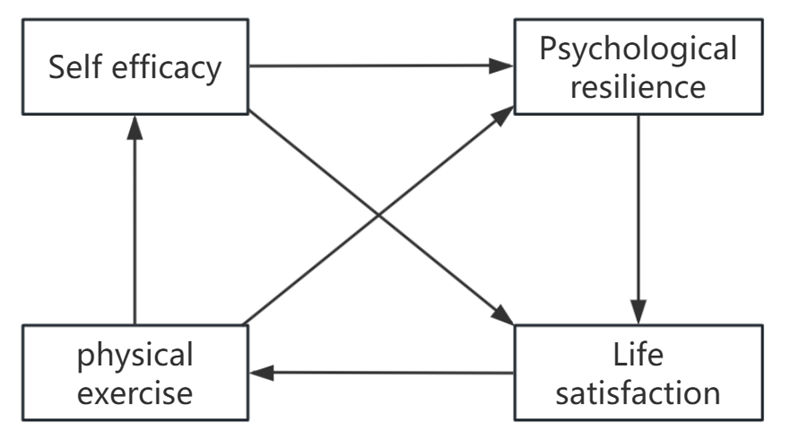
Figure 1: Theoretical model
3.1 Research Object
The study was conducted using random sampling to survey 7 universities in Zhejiang, Guangdong, and Sichuan provinces in China as the research subjects.
3.2 Research Method
3.2.1 Questionnaire Design and Measurement Tools
The questionnaire consisted of 5 sections. The first section covered demographic characteristics using closed-ended questions; the second section included a physical exercise level scale; the third section comprised questions related to life satisfaction indicators; the fourth section consisted of self-efficacy indicators; and the fifth section included questions on psychological resilience indicators. The collected data was then organized and analyzed using SPSS 26.0 and SmartPLS 4.0 statistical software. The questionnaire survey was divided into two stages. The first stage took place from June 21 to June 27, 2024, conducting field research and observations to enhance understanding of the case study location. The second stage was from July 12 to July 18, 2024, distributing online questionnaires. A total of 820 questionnaires were completed during this period, with 815 valid questionnaires obtained after excluding invalid responses, resulting in a validity rate of 99.3%.
3.2.2 Data Analysis Methods
SPSS 26.0 and SmartPLS 4.0 software were utilized for data analysis and processing in this study. The collected data underwent reliability testing, discriminant validity testing, and model hypothesis testing.
4.1 Overview of the Sample
According to the descriptive statistical analysis using Spss26.0, there were slightly more male participants (59.8%) than female participants (40.2%) in the study. The proportion of second and third-year students was 30% higher compared to first and fourth-year students. In terms of majors, 68.3% were from the humanities while 31.7% were from the sciences. The majority of participants (57.8%) reported exercising in groups rather than individually (42.2%).
4.2 Tests of variance
An independent-samples t-test was conducted to examine differences in physical exercise, life satisfaction, self-efficacy, and psychological resilience among college students based on gender and major. The results indicated that male college students scored significantly higher than female college students in terms of physical exercise and life satisfaction. There were no significant gender differences in self-efficacy and psychological resilience. Significant differences in physical exercise were observed among college students of different majors (F = 2.36, p less than 0.05), while no significant differences were found in life satisfaction, self-efficacy, and psychological resilience (Table 1). A one-way ANOVA was utilized to test for differences in physical exercise, life satisfaction, self-efficacy, and psychological resilience among college students of different grades. As shown in Table 1, there were no significant differences in these aspects across different grades.
| Variant | Gender | Specialty | Grade |
| Physical exercise | 2.467* | 2.356* | 1.112 |
| life satisfaction | 2.951** | 0.672 | 0.983 |
| self-efficacy | 1.711 | 1.098 | 1.907 |
| psychological resilience | 1.628 | 0.235 | 0.895 |
| 注:* p less than 0.05,** p less than 0.01,*** p less than 0.001 | |||
Table 1: Tests for differences in the variables
4.3 Confirmatory Factor Analysis
A conceptual model of the influence of physical exercise on college students' life satisfaction was established using Smartpls4.0, and the related data results are presented in Table 1. The study first conducted validity tests using Spss26.0 and Smartpls4.0, which showed that the convergence validity values were all above 0.8. In terms of reliability, Cronbach's alpha and structural reliability values were considered. The minimum Cronbach's alpha coefficient was 0.81, and the maximum structural reliability coefficient was 0.91, indicating that the reliability standards for all constructs were met. Furthermore, the coefficients for all six dimensions in the study were above 0.7, indicating statistical significance. The composite reliability values were all above 0.75, meeting the 0.7 threshold commonly accepted in sociology. Additionally, the average extracted variance values were all greater than 0.6, which met the data analysis standards. Overall, the study results demonstrate that the model of the influence of physical exercise on college students' life satisfaction has been validated in terms of validity and reliability, and the results are statistically significant (See Table 2).
| Factors | Items | S C | C A | R | CR | AVE |
| Physical Exercise | Intensity | 0.77 | 0.81 | 0.87 | 0.83 | 0.73 |
| Duration | 0.82 | |||||
| Frequency | 0.87 | |||||
| Self-Efficacy | If I try hard enough, I can always solve the problem (A1) | 0.78 | ||||
| Even if others oppose me, I still have ways to get what I want (A2) | 0.63 | |||||
| It's easy for me to stick to my ideals and achieve my goals (A3) | 0.58 | 0.83 | 0.91 | 0.80 | 0.65 | |
| I am confident in my ability to effectively handle any unexpected situations (A4) | 0.61 | |||||
| With my intelligence, I am sure I can handle unexpected circumstances (A5) | 0.85 | |||||
| If I put in the necessary effort, I can definitely solve most difficult problems (A6) | 0.57 | 0.90 | 0.81 | 0.79 | 0.63 | |
| I can calmly face difficulties because I trust my ability to handle them (A7) | 0.64 | |||||
| When faced with a difficult problem, I usually can find several solutions (A8) | 0.56 | |||||
| When in trouble, I usually can come up with some ways to cope (A9) | 0.71 | |||||
| Whatever happens to me, I can handle it well (A10) | 0.75 | 0.89 | 0.89 | 0.91 | 0.64 | |
Psychological Resilience
| Family Support | 0.90 | ||||
| Interpersonal Assistance | 0.83 | |||||
| Goal Focus | 0.86 | 0.91 | 0.79 | 0.85 | 0.71 | |
| Emotion Control | 0.79 | |||||
| Positive Cognition | 0.72 | |||||
Life Satisfaction
| Satisfaction with Friendship | 0.69 | 0.86 | 0.85 | 0.87 | 0.73 |
| Satisfaction with School | 0.57 | |||||
| Satisfaction with Family | 0.59 | |||||
| Satisfaction with Environment | 0.81 | |||||
| Satisfaction with Freedom | 0.74 | |||||
| Satisfaction with Academics | 0.78 |
Table 2: The result of validation factor analysis
As shown in Table 3, the CMIN/DF value is 1.335, which is less than 3, indicating a relatively ideal fit. The RMSEA value is 0.027, which is below 0.05, suggesting a good fit. Additionally, the NFI, RFI, IFI, TLI, and CFI results all exceed 0.9, further indicating that the results exhibit a good fit.
| Fitting indicators | CMIN/DF | RMSEA | NFI | RFI | IFI | TLI | CFI |
| Fit index | 1.335 | 0.027 | 0.913 | 0.901 | 0.917 | 0.910 | 0.907 |
| Fitting standards | <3 | <0.05 | >0.9 | >0.9 | >0.9 | >0.9 | >0.9 |
Table 3: Overall fitting coefficient table
4.4 Model Verification Analysis
4.4.1 Path Analysis of Sports Exercise on Life Satisfaction of College Students
To effectively control measurement errors, the data of sports exercise, self-efficacy, psychological resilience, and life satisfaction were standardized. A structural equation model was constructed in Smartpls 4.0 software, the model was set, and tested. Using Smartpls 4.0 software, the intermediate effect of the model was tested, with sports exercise as the independent variable, self-efficacy and psychological resilience as mediating variables, and life satisfaction as the dependent variable. A model diagram was drawn, and the data was input to test the overall model fit. The fit results showed a total effect of 0.512, with a direct effect of 0.323 of sports exercise on life satisfaction. The mediating effect between sports exercise and subjective well-being was examined, where the total effect value is calculated by summing the direct and total mediator effects. The total mediating effect value from three paths was calculated, indicating that there are both direct and indirect effects of sports exercise on life satisfaction. The total mediating effect was 0.479, and the total effect was 0.512 (P less than 0.05). The direct effect value from sports exercise to subjective well-being was 0.323 (P less than 0.05). The total mediating effect value is composed of the effects generated by three paths: the mediating effect generated through sports exercise → self-efficacy → life satisfaction path (H2 validated), the mediating effect generated through sports exercise → psychological resilience → life satisfaction path (H3 validated), and the mediating effect generated through sports exercise → self-efficacy → psychological resilience → life satisfaction path (H4 validated). The total indirect effect was 0.479, with path coefficients of 0.112 (P less than 0.05), 0.213 (P less than 0.05), and 0.154 (P less than 0.05) for the three indirect effects respectively, indicating that all three indirect effects reached the significance level. In conclusion, in the factors influencing life satisfaction, the chained mediating effects of self-efficacy and psychological resilience in sports exercise are significant(See Table 4). By enhancing self-efficacy and strengthening psychological resilience, college students can better promote a sense of constructs measured in the study.
| Path | Standardized Coefficient | STDEV | P |
| Indirect effects | |||
| Physical exercise→Self efficacy→Life satisfaction | 0.112 | 0.029 | 0.012 |
| Physical exercise→Psychological resilience→Life satisfaction | 0.213 | 0.103 | 0.000 |
| Physical exercise→Self efficacy→Psychological resilience→Life satisfaction | 0.154 | 0.045 | 0.000 |
| Direct effect | 0.018 | ||
| Physical exercise→Life satisfaction | 0.323 | 0.032 | 0.000 |
| Total effect | |||
| Physical exercise→Life satisfaction | 0.512 | 0.026 | 0. 000 |
Table 4: Overall fitting coefficient table
4.4.2 The Mediating Role of Self-Efficacy in the Relationship between Physical Exercise and Life Satisfaction
The structural equation model approach was utilized to test the mediating role of self-efficacy in the relationship between physical exercise and life satisfaction. The independent variable was defined as physical exercise, the dependent variable as life satisfaction, and the mediating variable as self-efficacy in the mediating effect model. The results showed that all path coefficients were significant (see table 5). The mediating effect of self-efficacy was found to be 0.641, indicating that self-efficacy played a mediating role between physical exercise and life satisfaction. Figure 2 illustrates the structural relationship among physical exercise, self-efficacy, and life satisfaction. Combining the data from table 5, it can be inferred that the standardized effect values of the paths "Self-efficacy → Life satisfaction," "physical exercise → Life satisfaction," and "physical exercise → Self efficacy" were 0.641, 0.252, and 0.764 respectively, with all P-values being less than 0.01. This suggests that the amount of physical exercise among college students can directly predict their level of life satisfaction, with self-efficacy playing a partial mediating role.These results indicate that the life satisfaction of college students can be improved through the mediating effect of self-efficacy through physical exercise, or through the unique mediating effect of self-efficacy. Self-efficacy plays a mediating role between physical exercise and personal life satisfaction, with physical exercise and self-efficacy positively predicting an individual's overall life satisfaction.
| Path | Standardized Coefficient | STDEV | P |
| Self-efficacy → Life satisfaction | 0.641 | 0.035 | 0.000 |
| physical exercise → Life satisfaction | 0.252 | 0.029 | 0.000 |
| physical exercise→ Self efficacy | 0.764 | 0.021 | 0.000 |
Table 5: Presents the mediating paths of self-efficacy
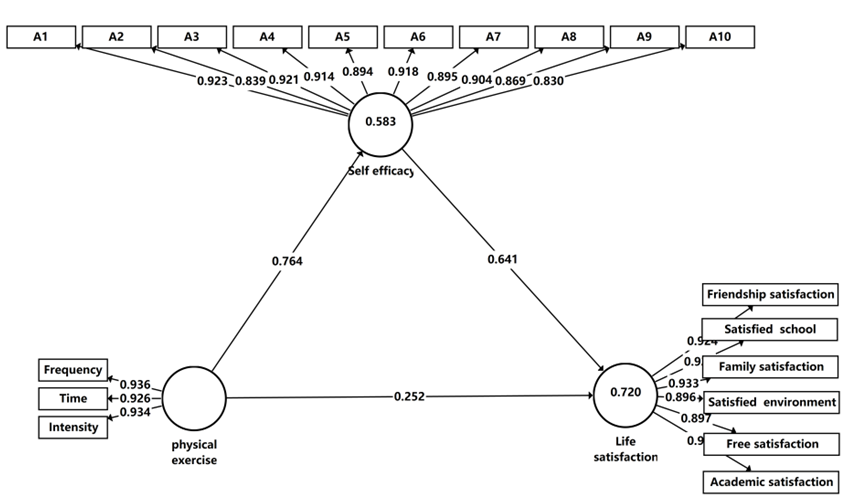
Figure 2: Self-efficacy independent mediating model
| Path | Standardized Coefficient | STDEV | P |
| Psychological resilience → Life satisfaction | 0.662 | 0.037 | 0.000 |
| physical exercise → Life satisfaction | 0.286 | 0.041 | 0.000 |
| physical exercise → Psychological resilience | 0.688 | 0.029 | 0.000 |
Table 6: Presents the mediating paths of self-efficacy
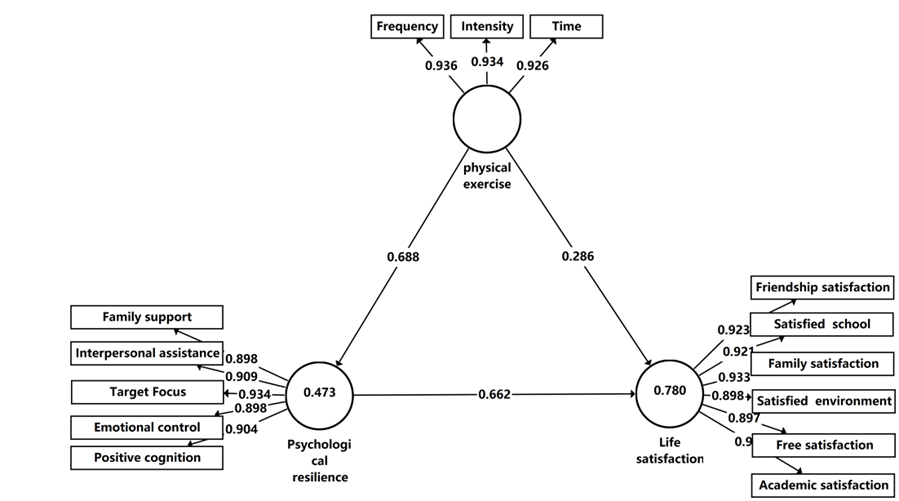
Figure 3: Depicts the independent mediating model of psychological resilience
| Path | Standardized Coefficient | STDEV | P |
| Psychological resilience → Life satisfaction | 0.168 | 0.058 | 0.004 |
| Self efficacy → Life satisfaction | 0.312 | 0.057 | 0.000 |
| Self efficacy → Psychological resilience | 0.663 | 0.037 | 0.000 |
| physical exercise → Life satisfaction | 0.451 | 0.052 | 0.000 |
| physical exercise → Psychological resilience | 0.271 | 0.039 | 0.000 |
| physical exercise → Self efficacy | 0.763 | 0.022 | 0.000 |
Table 7: Presents the coefficients of the chain mediating model on the relationship between physical exercise and subjective well-being in college students
4.4.4 Chain mediating effect of self-efficacy and psychological resilience on the relationship between physical exercise and life satisfaction in college students The structural equation model analysis in Table 7 and Figure 4 shows that the path coefficient from psychological resilience to life satisfaction has a significant positive related (β=0.168, P=0.000 less than 0.01); the path from self-efficacy to life satisfaction also has a significant positive related (β=0.321, P=0.000 less than 0.01); the path from self-efficacy to psychological resilience shows a significant positive related (β=0.663, P=0.000 less than 0.01); the path from physical exercise to life satisfaction demonstrates a significant positive related (β=0.451, P=0.000 less than 0.01); the path from physical exercise to psychological resilience has a significant positive related (β=0.271, P=0.000 less than 0.01); and the path from physical exercise to self-efficacy shows a significant positive related (β=0.763, P=0.000 less than 0.01).
The model path coefficients indicate that physical exercise has a direct predictive effect on life satisfaction, and an indirect predictive effect through the independent mediating roles of self-efficacy and psychological resilience. Additionally, physical exercise indirectly influences life satisfaction through the chain mediating effect of self-efficacy and psychological resilience, confirming the rationality of the model's prediction regarding the impact of physical exercise on life satisfaction.

Figure 4: Structural equation model of the impact of physical exercise on life satisfaction
5.1 Discussion on the Impact of Physical Exercise on College Students' Life Satisfaction.
The results of model testing show that physical exercise can directly predict overall life satisfaction among college students. As an important form of social interaction, individuals participating in physical exercise often engage in face-to-face interactions, reducing feelings of loneliness and enhancing their sense of belonging within the campus community. Scholar Dai has validated the correlation between physical exercise and life satisfaction among the elderly, as well as the mediating roles of self-efficacy, social support, and self-esteem in the relationship between physical exercise and life satisfaction among the elderly. Scholar Han has verified through modeling that physical exercise has a direct impact on the life satisfaction of college students, and can also indirectly affect life satisfaction through general self-efficacy and sense of life meaning [49]. Scholar Liu, by constructing a chain mediation model, examined the mechanisms by which perceived social support and cognitive reappraisal affect the relationship between physical exercise and life satisfaction among college students [50]. It was concluded that physical exercise not only directly influences the life satisfaction of college students but also indirectly affects it through the chain mediation of perceived social support and cognitive reappraisal. Scholar Guo utilized measures such as the Physical Activity Level Scale and the Life Satisfaction Scale to explore the relationship between physical exercise and life satisfaction among college students and its mechanisms [51]. It was found that physical exercise can directly was positively related to trait mindfulness, body self-esteem, and college students' life satisfaction, while trait mindfulness and body self-esteem serve as chain mediators in the relationship between physical exercise and college students' life satisfaction, with physical exercise further impacting life satisfaction through trait mindfulness and body self-esteem. Scholar Li concluded that there is a positive correlation between physical exercise and life satisfaction, indicating that the time and frequency of physical exercise have a positive impact and predictive effect on the life satisfaction of college students [52]. The study on how physical exercise improves the psychological health of college students from a psychological health perspective concludes that physical exercise has a direct impact on enhancing college students' life satisfaction. It can be considered as an important component of mental health education in universities, where exercise prescriptions can be formulated to enhance the mental health and life satisfaction levels of college students.
5.2 Discussion on the Mediating Role of Self-Efficacy in the Relationship between Physical Exercise and Life Satisfaction
The survey conducted in this study largely confirms the role of self-efficacy in the connection between physical exercise and life satisfaction. Firstly, self-efficacy is a variable closely related to physical exercise behavior. Physical activities serve as important channels for interpersonal interaction, breaking interpersonal distance and helping individuals avoid self-isolation. People gather on the sports field, breaking free from external constraints, engaging in free and equal interpersonal interactions, effectively communicating emotions, and developing good interpersonal relationships. Actively participating in physical exercise helps university students build confidence in forming and maintaining interpersonal relationships and handling interpersonal conflicts. Furthermore, university students with high self-efficacy tend to demonstrate more proactive and confident behaviors when faced with challenges. In the process of physical exercise, self-efficacy is demonstrated in the confidence to overcome a series of challenging physical exercises. Individuals with high self-efficacy often overcome more difficulties in participating in physical exercise. As they complete challenging and competitive physical activities, their sense of ability is enhanced. When individuals have high confidence in completing a task, they experience greater sense of achievement, view themselves more objectively, encourage themselves to adopt a positive outlook, cultivate a good self-image, and consequently increase positive emotions, leading to happiness and life satisfaction. Activity theory suggests that individuals feel happy when engaged in exercise activities that match their abilities. During physical exercise, individuals tend to choose exercises they can accept and continuously challenge themselves to boost their confidence. Scholar Yang conducted a survey of 382 university students in Guangdong Province using the Physical Activity Level Scale, Comprehensive Psychological Well-being Questionnaire, and Social Self-Efficacy Scale. The study found that physical exercise positively predicts psychological well-being, and social self-efficacy partially mediates psychological well-being in physical exercise [53]. Scholar Zhang analyzed the data using a structural equation model, focusing on the chain-mediated effects of exercise self-efficacy and physical exercise satisfaction. It was found that exercise self-efficacy, physical exercise satisfaction, and exercise persistence are all significantly was positively related to. The study also discovered that sports and fitness apps can indirectly influence users' exercise persistence through the individual or chain-mediated effects of exercise self-efficacy and physical exercise satisfaction, indicating that modern media technology has a positive impact on public participation in sports activities [54]. Regular and systematic physical exercise enhances an individual's confidence in sports and promotes self-efficacy. The studies by the scholars mentioned above all suggest that regular physical exercise can enhance an individual's self-efficacy. When the level of self-efficacy is high, participating in physical exercise leads to greater happiness and enjoyment. The results of this study also confirm this conclusion; Physical exercise plays a significant role in the personal life satisfaction of university students and indirectly improves their life satisfaction by increasing their confidence levels. The research demonstrates that self-efficacy significantly mediates the impact of physical exercise on life satisfaction. In the process of physical exercise influencing life satisfaction, the mediating effect of self-efficacy is significant. Strengthening physical exercise during the education of university students has a was positive related to on increasing life satisfaction levels. By enhancing physical exercise to improve the self-efficacy of university students, the pathway to helping young university students increase their life satisfaction is established. Appropriately enhancing physical exercise to boost university students' confidence and strengthen their self-efficacy can lead to an improvement in life satisfaction.
5.3 Discussion on the Mediating Effect of Psychological Resilience between Physical Exercise and Main Life Satisfaction
The study further examined the mediating role of psychological resilience in the process of how sports exercise affects life satisfaction. Zhou found that the mediating effect of psychological resilience accounted for 36.3%, which is consistent with the results of this study. Firstly, the functionality of sports is diverse, not only helping college students to stay physically fit, but also being an important way to enhance their willpower. During exercise, college students may experience negative emotions due to learning sports skills and facing challenges from competitors [55]. Facing repeated setbacks can improve their resilience, as they develop better emotional control and cognitive regulation through sports exercise, which is related to the formation of psychological resilience. Secondly, college students face various pressures from academics, life, and employment, which can lead to negative emotions and an increased risk of mental health issues. Xiao pointed out that psychological resilience has an impact on life satisfaction, and the relationship between psychological resilience and life satisfaction can be mediated by ethnic identity [56]. Zhang verified the important role of psychological resilience in the relationship between spiritual beliefs and life satisfaction and suggested that enhancing college students' social beliefs, reducing supernatural beliefs, and improving individual life satisfaction levels are essential [57].Ouyang conducted a study using questionnaires on life satisfaction and psychological resilience among adolescent students, and found a positive correlation between the dimensions of psychological resilience and life satisfaction among college students. The dynamic model theory of psychological resilience suggests that individuals can develop internal psychological resources, overcome adversity, and improve their psychological health through active participation in activities provided by schools, families, and society [58]. By improving cognitive function and emotional regulation through sports exercise, college students can enhance their psychological resilience, maintain optimism and positivity in face of adversity, and increase their sense of well-being. It is important to cultivate psychological resilience among college students in physical education and extracurricular sports activities [59]. The results above indicate that sports exercise can enhance psychological resilience, reduce negative emotions, and increase life satisfaction among college students. Improving life satisfaction can also be achieved by enhancing psychological resilience. Sports exercise can enhance individual life satisfaction through the mediating role of psychological resilience.
5.4 Discussion on the mediating role of self-efficacy and psychological resilience
In the relationship between physical exercise and life satisfaction was conducted in this study. The model established and the path analysis conducted revealed a chain-mediated effect of self-efficacy and psychological resilience between physical exercise and life satisfaction. It was found that physical exercise can indirectly influence life satisfaction through the chain-mediated effect of self-efficacy and psychological resilience. Both self-efficacy and psychological resilience are important factors in individual personality. Based on the relationship screening model, it was found that psychological resilience can be explained according to self-efficacy. Physical exercise significantly and positively predicted college students' life satisfaction. Physical exercise directly impacted life satisfaction of college students and could also indirectly influence life satisfaction through general self-efficacy and sense of life significance. During sports participation, individuals enhance their sense of ability and boost their self-confidence as they face challenges. This greatly increases the positive emotions and experiences of college students while reducing their negative emotions towards events. The pressure and feelings of failure during exercise are transformed into resilience, improving problem-solving skills and developing psychological resilience, thereby further enhancing subjective well-being. College students with high social self-efficacy demonstrate a more confident state in social interactions, problem-solving, and maintaining interpersonal relationships, showing more rational and mature thinking when solving problems. Anxiety and other negative emotions are alleviated, highlighting the role of promoting happiness. Research suggests that the pressure of social competition poses a risk to the mental health of college students, making the cultivation of individual psychological resources particularly important. Interventions through physical activities to improve mental health, boost self-confidence, enhance social adaptability, and increase levels of life satisfaction are beneficial. Enhancing self-efficacy through increased physical exercise leading to improved psychological resilience can have a was positive related to on life satisfaction. Interventions aimed at enhancing college students' life satisfaction should be implemented to improve their level of life satisfaction. Physical exercise positively predicts college students' life satisfaction levels. In researching the impact of physical exercise on life satisfaction, individual personality factors are linked, analyzing the relationship between physical exercise, self-efficacy, psychological resilience, and life satisfaction, providing a deep explanation of how physical exercise influences life satisfaction. Similarly, the internal mechanism of how physical exercise affects college students' life satisfaction includes the independent mediating role of self-efficacy, the independent mediating role of psychological resilience, and the chain-mediated role connecting the two, reflecting the relationship between physical exercise and personal well-being. Self-efficacy and psychological resilience can be recognized as effective intervention measures for improving college students' life satisfaction through physical exercise, providing a theoretical basis for further longitudinal studies and expanding intervention strategies for life satisfaction. This study explores the complex relationships between four variables through structural equation modeling, clarifying the pathways that affect life satisfaction and maximizing the chain-mediated role of self-efficacy and psychological resilience in the relationship between physical exercise and life satisfaction to enhance college students' life satisfaction.
The chain mediation model of the impact of physical exercise on college students' life satisfaction shows a good fit index, indicating that the model effectively measures the relationship between physical exercise and life satisfaction. Compared to physical exercise, self-efficacy and psychological resilience are more proximal factors affecting university students' life satisfaction. In the process of transforming physical exercise into actual psychological effects, the mediating roles of self-efficacy and psychological resilience are essential in bridging the gap to enhance life satisfaction among university students. Physical exercise has a significant direct and indirect relationship with the life satisfaction of college students. It is recommended that university students adequately schedule their leisure time, develop regular and autonomous exercise habits, engage in suitable exercise routines, communicate with peers to exchange sports techniques, and receive encouragement from schools and teachers to actively participate in various sports activities. The impact of physical exercise on life satisfaction among university students can be mediated through self-efficacy and psychological resilience, ultimately leading to an enhancement in life satisfaction. Universities can incorporate physical exercise interventions as a key component of psychological health counseling for university students. Tailored and precise exercise intervention plans should be developed based on individual needs. Leisure sports, combining elements of sports and arts, represent an important form of physical exercise for university students. Universities can utilize leisure sports in teaching practices to promote psychological health. Research recommends, Emphasizing the cultivation of self-enhancing positive personality traits among college students. By stimulating positive self-enhancing beliefs, engaging in self-interest-oriented construction, and engaging in self-affirmation and reflection, students can acquire superior internal psychological resources. Consequently, this process can enhance their self-efficacy, thereby improving life satisfaction through physical exercise.
Acknowledgements
Not applicable.
Author contributions
Jian Gong Made contributions to the theoretical background, data analysis, methodology, including discussion and analysis sections of the paper;Li Xinggang prepared the discussion and analysis sections. All authors read and approved the final manuscript.
Ethical statement
his review article does not involve human or animal experiments, and it is based exclusively on published literature. Therefore, a State- ment of ethics is not applicable.
Funding source
No sources of funding were used to assist in this article.
Conflict of interest statement
No conflicts and interests are relevant to the content of this review.
Appendix A. Supplementary data
Supplementary data to this article can be found online at https://doi. org/10.1016/j.jesf.2025.06.03.
Dear Editorial Team, Clinical Medical Reviews and Reports. My experience with the journal was highly positive. The peer-review process was rigorous, constructive, and completed in a timely manner. The reviewers provided valuable comments that helped improve the quality and clarity of our manuscript. The editorial office was professional, responsive, and supportive throughout all stages of the publication process. Communication was clear and efficient, and any questions were addressed promptly. Overall, I found the journal to maintain high scientific standards and an excellent publication workflow. I would be pleased to consider submitting future work to this journal. Best wishes from, Elena Popa.

It was my pleasure to submit my testimonial concerning the Reviewer Board of our Scientific Journal “Brain and Neurological Disorders”. The Reviewers focused on some modifications and their contribution was helpful. The ladies of our Editorial Office were also supported my efforts. It was my honor to have such a co-operation and I am looking forward for more collaboration.

Dear Grace Pierce, Editorial Coordinator of Journal of Clinical Research and Reports, Thank you for the speedy and efficient peer review process. I appreciate the fact that your peer reviewers do not take months to respond like with some other journals. I would also like to thank the editorial office for responding quickly to my questions. It is an excellent journal. I plan to submit more manuscripts in the future. Best wishes from, Robert W. McGee

Dear Grace Pierce, Editorial Coordinator of Journal of Clinical Research and Reports, Working with you and your team on our recent publication in JCRR has been a truly wonderful and enjoyable experience. The responses were prompt, and the reviewers were patient, constructive, and highly professional. One reviewer in particular gave me the feeling that a professor was carefully reading and commenting on my coursework, which was deeply touching. The entire process was straightforward and hassle‑free, with no tedious online forms to complete. I highly recommend this journal. Best wishes from, DR Aibing Rao, Head of R&D

I Appreciate the Opportunity to Share my Experience with the Journal of Clinical Research and Reports. The peer review process was timely and constructive, and the feedback provided helped improve the quality of our manuscript. The editorial office was professional, responsive, and supportive throughout the process, ensuring smooth communication and efficient handling of the submission. Overall, it was a positive experience collaborating with your team.

Dear Mercy Grace, Editorial Coordinator of Obstetrics Gynecology and Reproductive Sciences, We would like to express our gratitude for your help at all stages of publishing and editing the article. The editors of the magazine answer all the necessary questions and help at every stage. We will definitely continue to cooperate and publish other works in the Obstetrics Gynecology and Reproductive Sciences! Best wishes from, Alla Konstantinovna Politova,