Research Article | DOI: https://doi.org/10.31579/2693-7247/240
1 Department of Pharmacy, University of Science and Technology Chittagong (USTC), Chattogram, Bangladesh
2 Department of Psychology, National University, Bangladesh
3 Department of Pharmacy, University of Science and Technology Chittagong (USTC), Chattogram, Bangladesh
4 Dean, Faculty of Sciences, University of Science and Technology Chittagong (USTC), Chattogram, Bangladesh.
*Corresponding Author: Dr. Md. Shahidul Islam, Dean, Faculty of Sciences, University of Science and Technology Chittagong (USTC), Chattogram, Bangladesh. E mail: shahid_liton@ustc.ac.bd
Citation: Afsar Ahmed, Shalini Singh, and Asna Quraishi, (2025), A Review on Anti-Malarial Drugs, J. Pharmaceutics and Pharmacology Research, 8(4); DOI:10.31579/2693-7247/240
Copyright: © 2025, Md. Shahidul Islam. This is an open access article distributed under the Creative Commons Attribution License, which permits unrestricted use, distribution, and reproduction in any medium, provided the original work is properly cited.
Received: 08 July 2025 | Accepted: 04 August 2025 | Published: 15 August 2025
Keywords: psychological activity; azithromycin; empagliflozin; interactions; zone of inhibition; job’s plot
Azithromycin is used to treat or prevent certain bacterial infections, most often those causing middle ear infections, strep throat, pneumonia, typhoid, bronchitis, and sinusitis. In recent years, it has been used primarily to prevent bacterial infections in infants and those with weaker immune systems. Azithromycin and Empagliflozin commonly prescribed medications for the treatment of various medical conditions, including bacterial infections and type 2 diabetes, respectively. It should be mentioned that Azithromycin and Empagliflozin have no significant Psychological activity. The co-administration of these drugs is not uncommon, particularly in patients with comorbidities. However, concerns regarding potential drug interactions and their impact on safety and efficacy have arisen in clinical practice. This research paper explores the interaction between Azithromycin and Empagliflozin. An in-depth analysis was conducted through in-vitro studies. The primary objectives were to assess whether Empagliflozin has the potential to influence the pharmacokinetics of Azithromycin. The results revealed that Azithromycin can indeed interact with Empagliflozin. These findings suggest that the concurrent use of Azithromycin and Empagliflozin may necessitate dose adjustments or close monitoring to maintain therapeutic efficacy. Understanding the interaction between Azithromycin and Empagliflozin is crucial for optimizing patient care and ensuring the safe and effective management of infectious diseases and diabetes. Psychological activity of Azithromycin and Empagliflozin is not satisfactory through various behavioral tests, open field test (OFT) and forced swim test (FST). These tests measure anxiety, exploration, and depression-like behaviors, respectively. Rats' responses in these tests are used to study the effects of drugs, stress, and other factors on their psychological state. So, they have no significant Psychological activity.
Azithromycin is a macrolide antibiotic widely used for treating various bacterial infections. Drug-food interactions, drug-herb interactions, and other interactions can also occur, though less frequently. Foods containing tyramine should not be consumed by anyone taking antidepressant medications such monoamine oxidase inhibitors. A hypertension crisis could happen (as an illustration of a drug-food combination). These may happen as a result of unintentional overuse or owing to ignorance of the substances' active components [1]. Drug interactions can also happen in vitro, or outside the body. A couple of well-known instances include the fact that benzylpenicillin and heparin should not be mixed together, as well as thiopentone and suxamethonium [2]. Drug interactions should generally be avoided because they could have unfavorable effects. Drug interactions have, however, been utilized on purpose, such as when probenecid and penicillin were given together before penicillin was produced in large quantities. Because it was challenging to produce penicillin, it was important to discover a means to lower the dosage needed. Over a course of therapy, probenecid slows penicillin excretion. The concurrent administration of carbidopa and levodopa (sold as Carbidopa/levodopa) is a modern example of a medication interaction being used to an individual's advantage. Parkinson's disease is treated with levodopa, which must enter the brain unmetabolized in order to be effective [3]. Levodopa is metabolized in peripheral tissues outside the brain when administered alone, which reduces the drug's effectiveness and raises the possibility of side effects. The co-administration of carbidopa and levodopa, however, enables for more levodopa to enter the brain unmetabolized and also lowers the risk of side effects since carbidopa inhibits the peripheral metabolism of levodopa [4]. Different pathways may lead to drug interactions. These procedures could result in changes to a drug's pharmacokinetics, such as changes to its Absorption, Distribution, Metabolism, and Excretion (ADME) [5]. As an alternative, drug interactions may be caused by the pharmacodynamic features of the drug, such as when a receptor antagonist and agonist are administered at the same time [6]. Empagliflozin is prescribed in the United States to lower the risk of cardiovascular death and heart failure hospitalization in adults with heart failure; to lower the risk of chronic kidney disease at risk of progression, end-stage kidney disease, cardiovascular death, and hospitalization in adults with chronic kidney disease; to lower the risk of cardiovascular death in adults with type 2 diabetes and established cardiovascular disease; and as a supplement to diet and exercise to improve glycemic control in individuals with type 2 diabetes aged ten years and older [7].
Chemical and reagents:
All the chemicals used here were analytical grade and were sorted under optimum storage conditions. The experimental mixtures and solutions were prepared in standard volumetric flasks about one hour prior to recording the data.
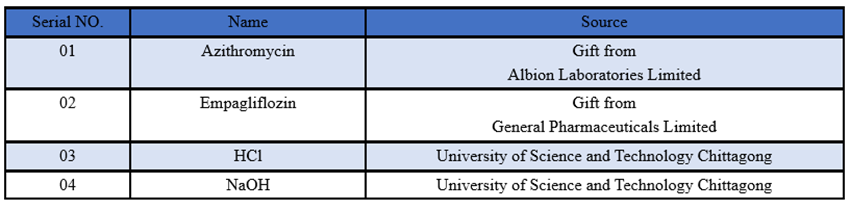
Table 1: List of Chemicals and Reagents.
Preparation of Buffer Solution:
To prepare the buffer solution of 7ml of HCl was dissolved in demineralized water with 2. gm. of NaOH and the pH was adjusted to 1.7 and the volume was made to 1000 ml with the same solution.
Preparation of Stock Solution (Azithromycin):
Azithromycin solution 100 ml of 1×10² stock solution was prepared by dissolving 0.785gm of Azithromycin API in demineralized water by adding the water upto the 100ml of the volumetric flask. The stock solution was then diluted to desired strength by buffer solution.
Empagliflozin solution 100 ml of 1×10² stock solution was prepared by dissolving 0.450 gm of Empagliflozin API in demineralized water by adding the water upto the 100ml of the volumetric flask. The stock solution was then diluted to desired strength by buffer solution.
The concentration of 1×10⁻ M Azithromycin stock solution was measured at pH 1.7 and applied in various amounts to ten test tubes to produce the following concentrations: 9×10⁻⁵ M, 8×10⁻⁵ M, 7×10⁻⁵ M, 6×10⁻⁵ M, 5×10⁻⁵ M, 4×10⁻⁵ M, 3×10⁻⁵ M, 2×10⁻⁵ M, 1×10⁻⁵ M.
The solutions were appropriately combined after that. Using a UV spectrophotometer, the absorbance values of the solutions were calculated at 208 nm. The reference sample's control was a phosphate buffer solution with a pH of 1.7. Plotting the absorbance readings against the corresponding concentrations led to the creation of the standard curve.
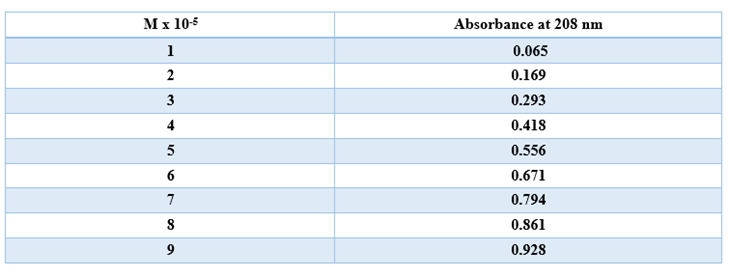
Table 2: Concentration of 1×10⁻⁵ M Azithromycin stock solution.
Standard Curve of Azithromycin
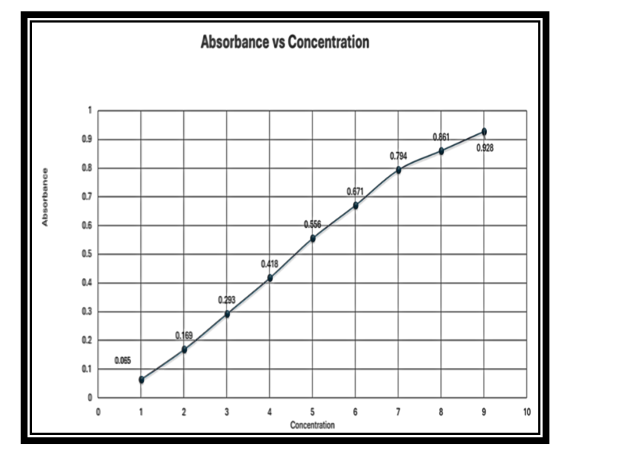
Figure 1: Standard curve of Azithromycin.
The above graphic shows that Azithromycin's absorbance increases as concentration increases in accordance with Beer-Lambert's law.
Absorbance of Azithromycin at Different Wavelength:
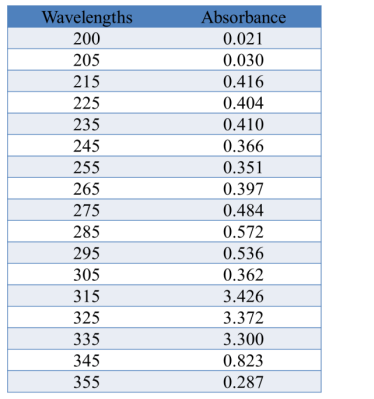
Table 3: Absorbance of Azithromycin at Different Wavelength.
We can see from the above figure that Azithromycin's absorbance differs depending on the wavelength.
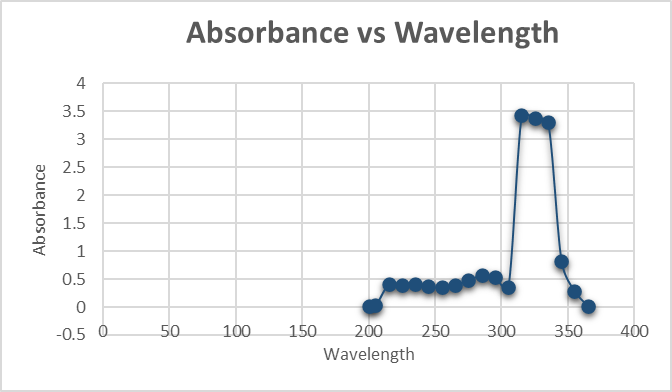
Figure 2: Absorbance of Azithromycin at Different Wavelength.
We can see from the above figure that Azithromycin's absorbance differs depending on the wavelength.
The concentration of 1×10⁻ M Empagliflozin stock solution was measured at pH 1.7 and applied in various amounts to ten test tubes to produce the following concentrations:
9×10⁻⁵ M, 8×10⁻⁵ M, 7×10⁻⁵ M, 6×10⁻⁵ M, 5×10⁻⁵ M, 4×10⁻⁵ M, 3×10⁻⁵ M, 2×10⁻⁵ M, 1×10⁻⁵ M.
The solutions were appropriately combined after that. Using a UV spectrophotometer, the absorbance values of the solutions were calculated at 238.5 nm. The reference sample's control was a Acidic buffer solution with a pH of 1.7. Plotting the absorbance readings against the corresponding concentrations led to the creation of the standard curve.
Standard Curve of Empagliflozin
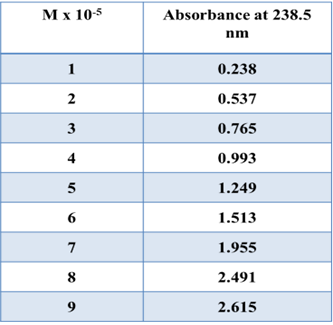
Table 4: Standard Curve of Empagliflozin.
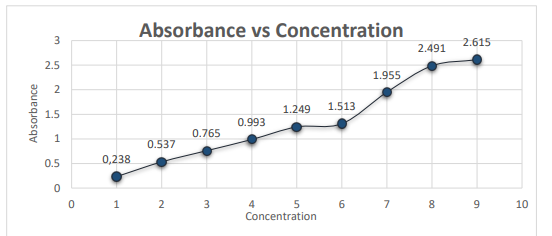
Figure 3: Standard curve of Empagliflozin
The above graphic shows that Empagliflozin's absorbance increases as concentration increases in accordance with Beer-Lambert's law.
Absorbance of Azithromycin with Empagliflozin at Different Wavelength.
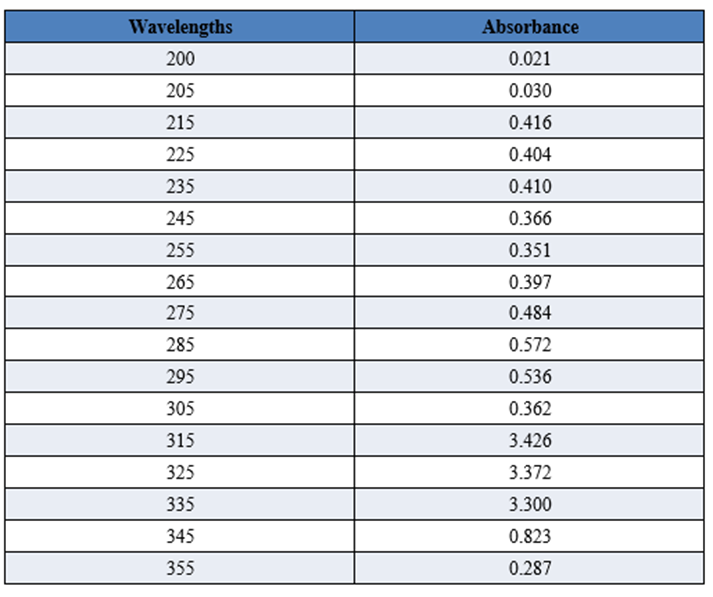
Table 5: Absorbance of Azithromycin with Empagliflozin at Different Wavelength.
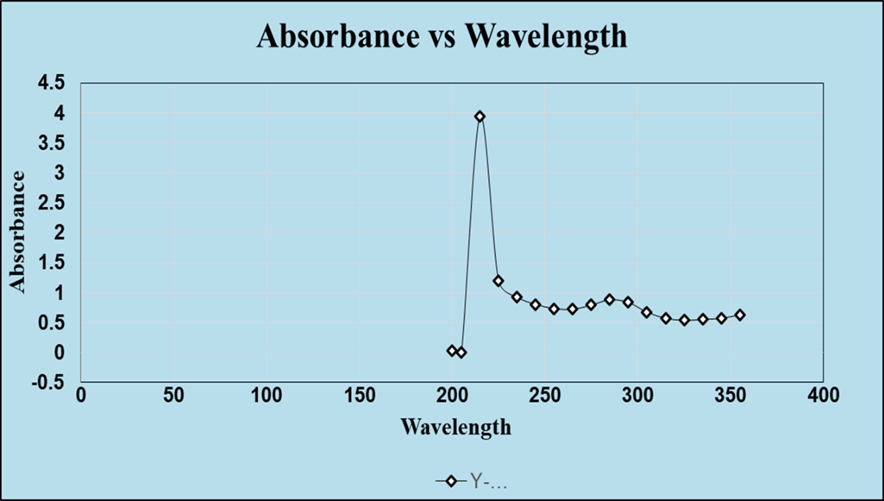
Figure 4: Absorbance of Azithromycin with Empagliflozin at Different Wavelength.
We can see from the above figure that Azithromycin's absorbance differs depending on the wavelength.
Spectral analysis of Azithromycin with Empagliflozin:
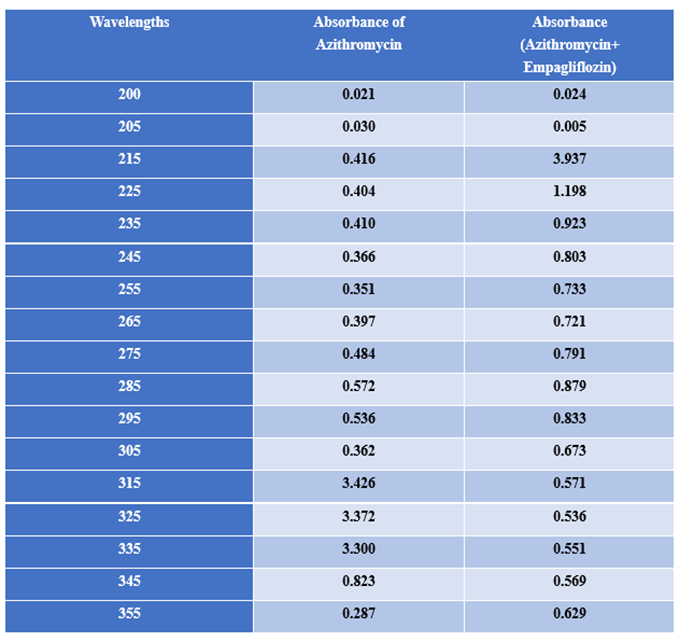
Table 6: Standard Curve of Empagliflozin.
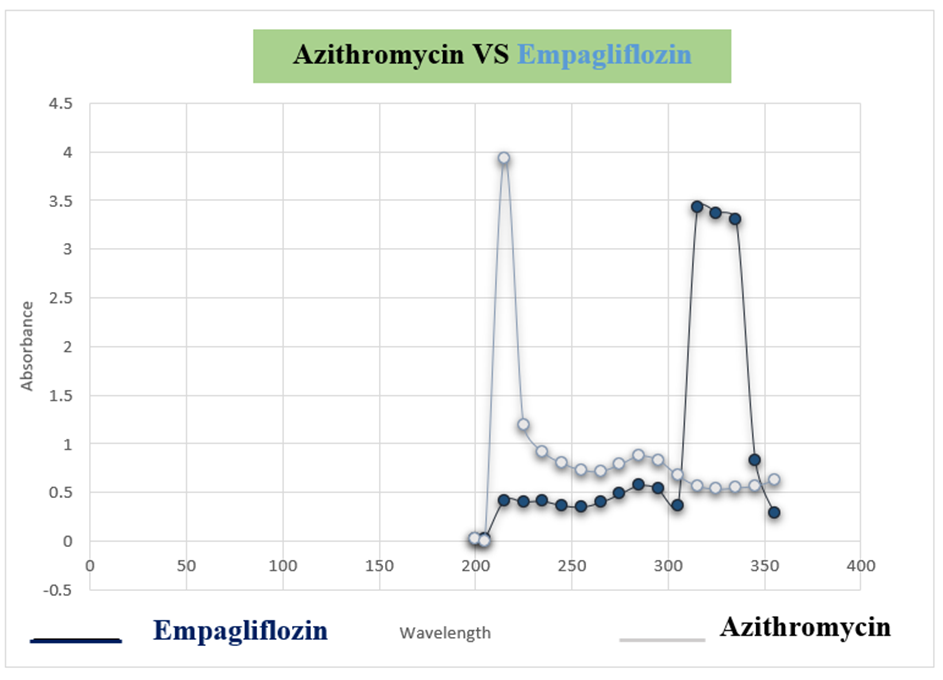
Figure 5: Spectral plot of Azithromycin with Empagliflozin.
This figure shows that the absorbance of Azithromycin with Empagliflozin is quite different from absorbance of Azithromycin. So, it can be guessed that there maybe possible interactions between them.
Values of Job’s Plot of Azithromycin and Empagliflozin:
The molar ratios of the complex of Azithromycin with Empagliflozin were calculated using job’s continuous variation approach. The observed absorbance values were determined using a variety of Azithromycin and Empagliflozin concentrations (1×10⁻⁵ to 9×10⁻⁵) at 208 nm. The job’s plots at pH 1.7 were created by plotting the absorbance difference against the drug’s mole fraction and are displayed in the following table:
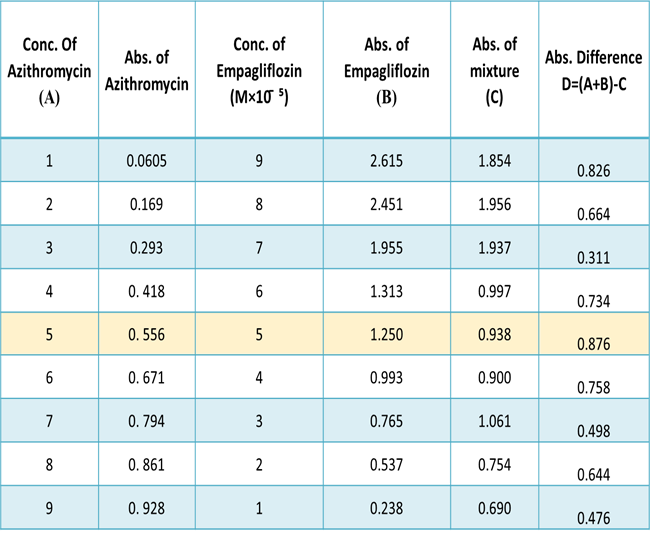
Table 7: Plotting the absorbance difference against the drug’s mole fraction.
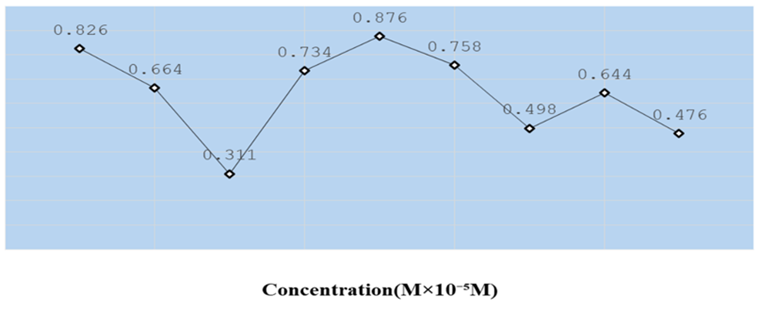
Figure 6: Job’s Plot of Azithromycin and Empagliflozin.
From the above graph, we can see that Azithromycin and Empagliflozin combine to produce powerful 1:1 complex, which are shown as ‘^’ shaped curve. Which confirms that there’s interactions between them.
Antimicrobial Investigation
Principle of Disc Diffusion Method
Solution of known concentration (3µg/ml) of the test samples are made by dissolving measured amount of the samples in calculated volume of solvents. Dried and sterilized filter paper discs (6 mm diameter) are then impregnated with known amounts of the test substances using micropipette. Discs containing the test material are placed on nutrient agar medium uniformly seeded with the test microorganism, Standard antibiotic discs and blank dishes (impregnated with solvent) are used as positive and negative control. These plates are then kept at low temperature (4 °C) for 24 hours to allow maximum diffusion. During this time dried discs absorb water from the surrounding media and then the test materials dissolve and diffuse out of the sample disc. The diffusion occurs according to the physical law that controls the diffusion of molecules through agar gel. As a result, there is a gradual change of test materials concentrations in the media surrounding the disc. The plate is then incubated at 37 °C for 24 hours to allow maximum growth of the organism. If the test materials have any antimicrobial activity, it will inhibit the growth of the micoorganisms and a clear, district zone of inhibition will be visualized surrounding the medium. The antimicrobial activity of the test agent is determined by measuring the diameter of zone of inhibition expressed in millimeter. The experiment is carried out more than once and the mean of the readings is required.
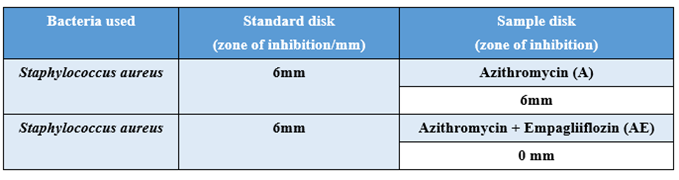
Table 8: Evaluation of antimicrobial study of Azithromycin with Empagliflozin.
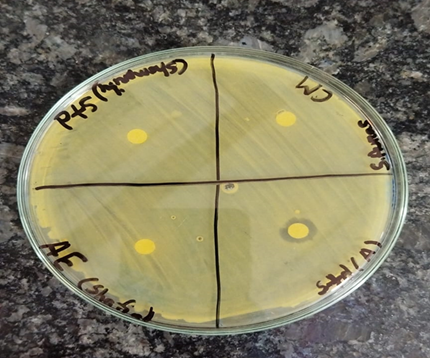
Figure 7: Azithromycin was tested for antimicrobial sensitivity against Staphylococcus aureus after interacting with Empagliflozin..
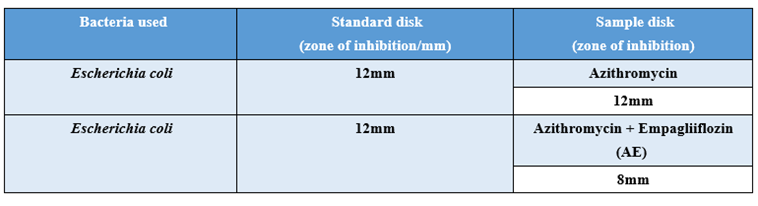
Table 9: Evaluation of antimicrobial study of Azithromycin with Empagliflozin.
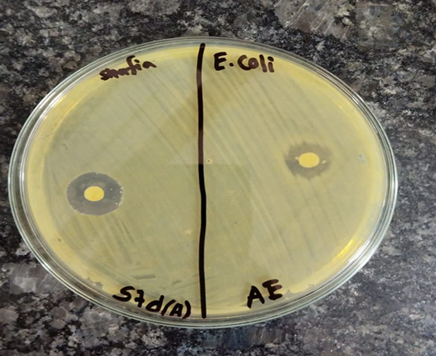
Figure 8: Azithromycin was tested for antimicrobial sensitivity against Escherichia coli after interacting with Empagliflozin.
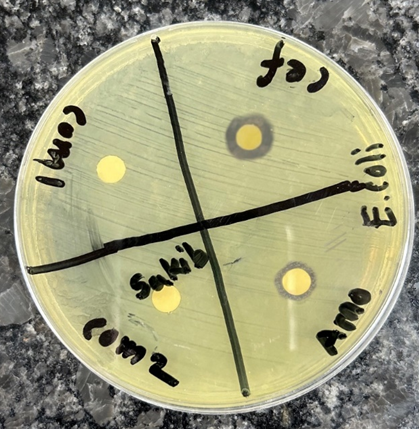
Figure 9: Azithromycin was tested for antimicrobial sensitivity.
Psychological activity:
Psychological activity of Azithromycin and Empagliflozin through various behavioral tests, open field test (OFT) and forced swim test (FST). These tests measure anxiety, exploration, and depression-like behaviors, respectively. Rats' responses in these tests are used to study the effects of drugs, stress, and other factors on their psychological state. Azithromycin and Empagliflozin have no significant Psychological activity.
This research work ensures that, there is possible interaction between Azithromycin with Empagliflozin. This research work has been done by two methods, one by UV spectroscopic method and one by antimicrobial study.For the UV spectroscopic method, the standard curve for Azithromycin and Empagliflozin is prepared and their absorbance vs concentration curve is almost linear means the absorbance is increased with increasing their concentration.In this In Vitro analysis, Azithromycin produces potent 1:1 complexes with Empagliflozin which is represented as ‘^’ shaped curves that confirms the interactions between them. And by the antimicrobial activity, it is confirmed that the zone of inhibition of Azithromycin with Empagliflozin against Staphylococcus aureus which is a gram-positive bacterium, is lowered from standard disk 8 mm to 0 mm. This is because interaction between them. The zone of inhibition of Azithromycin with Empagliflozin against Escherichia coli which is a gram-negative bacterium, is lowered from standard disk 12 mm to 8mm. This is also because interaction between them. Azithromycin and Empagliflozin have no significant Psychological activity.
Dear Editorial Team, Clinical Medical Reviews and Reports. My experience with the journal was highly positive. The peer-review process was rigorous, constructive, and completed in a timely manner. The reviewers provided valuable comments that helped improve the quality and clarity of our manuscript. The editorial office was professional, responsive, and supportive throughout all stages of the publication process. Communication was clear and efficient, and any questions were addressed promptly. Overall, I found the journal to maintain high scientific standards and an excellent publication workflow. I would be pleased to consider submitting future work to this journal. Best wishes from, Elena Popa.

It was my pleasure to submit my testimonial concerning the Reviewer Board of our Scientific Journal “Brain and Neurological Disorders”. The Reviewers focused on some modifications and their contribution was helpful. The ladies of our Editorial Office were also supported my efforts. It was my honor to have such a co-operation and I am looking forward for more collaboration.

Dear Grace Pierce, Editorial Coordinator of Journal of Clinical Research and Reports, Thank you for the speedy and efficient peer review process. I appreciate the fact that your peer reviewers do not take months to respond like with some other journals. I would also like to thank the editorial office for responding quickly to my questions. It is an excellent journal. I plan to submit more manuscripts in the future. Best wishes from, Robert W. McGee

Dear Grace Pierce, Editorial Coordinator of Journal of Clinical Research and Reports, Working with you and your team on our recent publication in JCRR has been a truly wonderful and enjoyable experience. The responses were prompt, and the reviewers were patient, constructive, and highly professional. One reviewer in particular gave me the feeling that a professor was carefully reading and commenting on my coursework, which was deeply touching. The entire process was straightforward and hassle‑free, with no tedious online forms to complete. I highly recommend this journal. Best wishes from, DR Aibing Rao, Head of R&D

I Appreciate the Opportunity to Share my Experience with the Journal of Clinical Research and Reports. The peer review process was timely and constructive, and the feedback provided helped improve the quality of our manuscript. The editorial office was professional, responsive, and supportive throughout the process, ensuring smooth communication and efficient handling of the submission. Overall, it was a positive experience collaborating with your team.

Dear Mercy Grace, Editorial Coordinator of Obstetrics Gynecology and Reproductive Sciences, We would like to express our gratitude for your help at all stages of publishing and editing the article. The editors of the magazine answer all the necessary questions and help at every stage. We will definitely continue to cooperate and publish other works in the Obstetrics Gynecology and Reproductive Sciences! Best wishes from, Alla Konstantinovna Politova,