Short Communication | DOI: https://doi.org/10.31579/2690-4861/1099
1Internal Medicine Department Hepatology and Gastroenterology unit, Faculty of Medicine, Mansoura University.
2Rheumatology and rehabilitation Department, Faculty of Medicine, Mansoura University.
3Internal Medicine Department, Nephrology unit, Faculty of Medicine, Mansoura University.
4Cardiology Department, Faculty of Medicine, Mansoura University.
5Internal Medicine Department, Endocrinology unit, Faculty of Medicine, Mansoura University.
6Internal Medicine Department Rheumatology and immunology unit, Faculty of Medicine, Mansoura University.
7Freelance Dentist.
*Corresponding Author: Ahmed N., Internal Medicine Department Hepatology and Gastroenterology unit, Faculty of Medicine, Mansoura University.
Citation: Ahmed N., Afifi A., El-Kannishy G., Amer M., Helaly M, et al, (2026), Obesity and the Lasting Toll, International Journal of Clinical Case Reports and Reviews, 35(4); DOI:10.31579/2690-4861/1099
Copyright: © 2026, Ahmed N. This is an open-access article distributed under the terms of the Creative Commons Attribution License, which permits unrestricted use, distribution, and reproduction in any medium, provided the original author and source are credited.
Received: 07 April 2026 | Accepted: 20 April 2026 | Published: 29 April 2026
Keywords: obesity; complications; overweight; treatment, surgery
The Obesity is a complex chronic disease. Much fat can cause inflammation and other long-lasting metabolic changes in the body. These changes increase the risk of many serious health problems. Risks increase with the more excess weight a person carries and the longer a person carries that weight. Our aim is to elucidate its hazards and warn new generations especially not to pay its lasting toll.
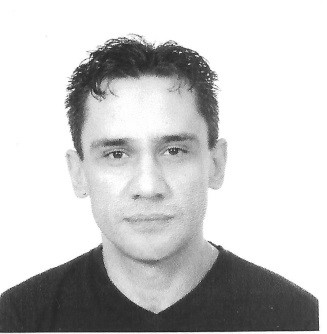
Obesity is a complex chronic disease. Much fat can cause inflammation and other long-lasting metabolic changes in the body. These changes increase the risk of many serious health problems. Risks increase with the more excess weight a person carries and the longer a person carries that weight. Obesity also hinders military readiness[1] It’s prevalent even in Europe as in the picture of this man[2] The first mention of doctors in recorded history comes from Egypt’s Old Kingdom[3] Also, the first mention of term obesity was by Randle Cotgrave in 1611, it is derived from Latin obesitas, which means “stout, fat or plump”. Esus is past participle of edere (to eat), with ob (over) added to it according the Oxford English Dictionary[4]
Viewpoints:
Obesity epidemic, developed in recent decades with global dissemination, brings scientific interest in causes and consequences for mankind. It is of interest whether obesity existed under different, non-obesogenic environments in ancient time. There is evidence for particular obesity existence in artefacts and pictures from caves, originated in ancient times. Human female figurines from Stone Age that represent obesity were discovered in different countries indicating that some form of obesity existed 30.000 years ago. It is supposed that most of these figures represent in some way “Mother of Goddess “connected with fertility. Records from Ancient Egyptian and Biblical eras through Greco-Roman to Medieval times indicate that obesity was present throughout peoples of previous centuries in history, although they probably have overweight and obesity as exceptional rather than normal. [4] Risks for adults include: impact joint and bone health as osteoarthritis, chronic kidney disease and impaired immune function[1] In 2022, 1 in 8 people in the world were living with obesity. Worldwide adult obesity has more than doubled since 1990, and adolescent obesity has quadrupled. In 2024, 35 million children under the age of 5 were overweight. Over 390 million children and adolescents aged 5–19 years were overweight in 2022, including 160 million who were living with obesity. Obesity is classified by the World Health Organization (WHO) as a chronic, relapsing disease arising from complex interactions between genetics, neurobiology, eating behavior, access to healthy diet, market forces, and the broader environment. In the last decades, obesity has expanded globally as countries have experienced greater food security, socioeconomic development, and shifts in diet, physical activity, and societal and individual behavior driven by globalization and industrialized food systems. These forces have created increasingly obesogenic environment, contributing to what is now a global public health crisis with more than 1 billion people living with obesity and prevalence rising in nearly every country. A diagnosis of overweight or obesity is made by measuring people’s weight and height and by calculating the body mass index (BMI): weight (kg)/height² (m²). WHO defines overweight as a BMI greater than or equal to 25; and obesity as a BMI greater than or equal to 30. Overweight and obesity result from an imbalance of energy intake (diet) and energy expenditure (physical activity). In most cases obesity is a multifactorial disease due to environmental and psycho-social factors and genetic variants. In a subgroup of patients, single major etiological factors can be identified (e.g. medications, diseases, immobilization, iatrogenic procedures, and monogenic disease/genetic syndrome). Key environmental factors are those that limit the availability of healthy and sustainably-produced food at locally affordable prices, spaces for physical activity and the absence of adequate legal and regulatory environments. In 2021, higher-than-optimal BMI caused 3.7 million deaths from non- communicable diseases (NCDs) such as cardiovascular diseases, diabetes, cancers, neurological disorders, chronic respiratory diseases, and digestive disorders. Being overweight in childhood and adolescence is associated with greater risk and earlier onset of various NCDs, such as type 2 diabetes and cardiovascular disease. Childhood and adolescent obesity affects school performance and quality of life, compounded by stigma, discrimination and bullying. Children with obesity are very likely to become adults with obesity. The economic impacts of the obesity epidemic are also important. If nothing is done, the global costs of overweight and obesity are predicted to reach US$ 3 trillion per year by 2030 and more than US$ 18 trillion by 2060[5] Increased risk of complications during surgery, anesthesia-related complications, increased length of hospital stays, increased risk of post-operative infections and risk of tearing. [6] Various endoscopic bariatric therapies for weight reduction, such as intragastric balloons (IGBs), aspiration therapy (AT), small bowel endoscopy, endoscopic sleeve gastroplasty, endoluminal procedures, malabsorption endoscopic procedures, and methods of regulating gastric emptying, were explored. IGBs, AT, and small bowel endoscopy have short-term effects with a possibility of weight regain. Minor adverse events have occurred; however, all procedures reduce weight. Vomiting and nausea are common side effects, although serious complications have also been observed [7].
The submitted work significance is to show the new generations that normal BMI is not luxury and declare obesity’s deleterious effect on all body systems, even with surgery and different treatment modalities so they should be warned to avoid paying its lasting toll.
Thanks to any one helps to convey our message to the public.
Dear Editorial Team, Clinical Medical Reviews and Reports. My experience with the journal was highly positive. The peer-review process was rigorous, constructive, and completed in a timely manner. The reviewers provided valuable comments that helped improve the quality and clarity of our manuscript. The editorial office was professional, responsive, and supportive throughout all stages of the publication process. Communication was clear and efficient, and any questions were addressed promptly. Overall, I found the journal to maintain high scientific standards and an excellent publication workflow. I would be pleased to consider submitting future work to this journal. Best wishes from, Elena Popa.

It was my pleasure to submit my testimonial concerning the Reviewer Board of our Scientific Journal “Brain and Neurological Disorders”. The Reviewers focused on some modifications and their contribution was helpful. The ladies of our Editorial Office were also supported my efforts. It was my honor to have such a co-operation and I am looking forward for more collaboration.
Dear Grace Pierce, Editorial Coordinator of Journal of Clinical Research and Reports, Thank you for the speedy and efficient peer review process. I appreciate the fact that your peer reviewers do not take months to respond like with some other journals. I would also like to thank the editorial office for responding quickly to my questions. It is an excellent journal. I plan to submit more manuscripts in the future. Best wishes from, Robert W. McGee

Dear Grace Pierce, Editorial Coordinator of Journal of Clinical Research and Reports, Working with you and your team on our recent publication in JCRR has been a truly wonderful and enjoyable experience. The responses were prompt, and the reviewers were patient, constructive, and highly professional. One reviewer in particular gave me the feeling that a professor was carefully reading and commenting on my coursework, which was deeply touching. The entire process was straightforward and hassle‑free, with no tedious online forms to complete. I highly recommend this journal. Best wishes from, DR Aibing Rao, Head of R&D

I Appreciate the Opportunity to Share my Experience with the Journal of Clinical Research and Reports. The peer review process was timely and constructive, and the feedback provided helped improve the quality of our manuscript. The editorial office was professional, responsive, and supportive throughout the process, ensuring smooth communication and efficient handling of the submission. Overall, it was a positive experience collaborating with your team.

Dear Mercy Grace, Editorial Coordinator of Obstetrics Gynecology and Reproductive Sciences, We would like to express our gratitude for your help at all stages of publishing and editing the article. The editors of the magazine answer all the necessary questions and help at every stage. We will definitely continue to cooperate and publish other works in the Obstetrics Gynecology and Reproductive Sciences! Best wishes from, Alla Konstantinovna Politova,