Research Article | DOI: https://doi.org/10.31579/2690-1919/630
Department of Zoology, Nesamony Memorial Christian College (Affiliated to Manonmaniam Sundaranar University), Marthandam-629165, Kanyakumari District, Tamil Nadu, India.
*Corresponding Author: Leena Grace Beslin, Department of Zoology, Nesamony Memorial Christian College (Affiliated to Manonmaniam Sundaranar University), Marthandam-629165, Kanyakumari District, Tamil Nadu, India.
Citation: Leena G. Beslin, (2026), Biochemical Fluctuations Owing to Fenvalerate Nastiness in Zebrafish, Danio rerio (Hamilton, 1822), J Clinical Research and Reports, 24(2); DOI:10.31579/2690-1919/630
Copyright: © 2026, Leena Grace Beslin. This is an open access article distributed under the Creative Commons Attribution License, which permits unrestricted use, distribution, and reproduction in any medium, provided the original work is properly cited.
Received: 17 April 2026 | Accepted: 10 July 2026 | Published: 20 July 2026
Keywords: biochemical changes; exposure; induced toxicity; lethal rate; mortality
The Zebrafish (Danio rerio) is a widespread and useful scientific model for studies of vertebrate development and gene function. The present study investigated the fenvalerate-induced toxicity range (20 µg/L–100 µg/L) in zebrafish. In the 24th exposure hour, 20 µg/L, 55% mortality was observed. After 96 hours, 82% death was obtained. In 40 µg/L, 62% mortality was registered after 24 h and further increased to 94% after 96 h of exposure. At 60 µg/L, 71% mortality was noted initially, and it rose to 99% at the 96th hour of the trial. At 80 µg/L the mortality rate ranged from 79% to 100%. Finally, at 72 h and 96 h, all fishes died and registered 100% mortality in 80 µg/L and 100 µg/L of fenvalerate concentration. The sub-lethal concentration of fenvalerate-induced biochemical changes was studied, and their results showed that normal fish gill protein was 120 ± 1.22 mg/g, and it reduced to 118.31 ± 0.5 mg/g, 117.4 ± 1.8 mg/g, 114.3 ± 2.1 mg/g, and 110 ± 1.4 mg/g after 24, 48, 72, and 96 h, respectively. The total protein content of the muscle also declined after 96 h of treatment. In the control fish, total muscle protein was 80.2 ± 1.3 mg/g, and it minimized to 78.4 ± 2.4 mg/g and 71.4 ± 2.2 mg/g in subsequent exposures of LC50. After 96 h of exposure to fenvalerate, muscle protein was 60 ± 2.7 mg/g in the zebrafish. The control muscle lipid content was 4 ± 0.46% wet weight. It has decreased considerably in the muscle of fenvalerate-exposed zebrafish (3.1 ± 0.12% wet weight) in the 96 h. Compared with lipid from the muscle, the lipid content of the gill was dramatically depleted from 6.5 ± 0.22 to 2.5 ± 0.31%. Polyacrylamide gel electrophoresis analysis revealed variations in protein bands between the control and experimental groups. The present study depicted that fenvalerate inhibited protein biosynthesis and induced stress by stress protein synthesis.
Pesticides are the biological toxicants that are commonly required by man to kill the pests and insects and also to fight various disease-causing organisms. In recent years, the applications of pesticides have become an indispensable and integral part of agriculture throughout the world. The severe application of these pesticides in agricultural operations has dangerously changed the ecological balance of various nontarget organisms like fishes (Todd and Leeuwen 2000). Environmental pollutants such as metals, pesticides, and other organic supplies cause high menace to various aquatic organisms, including fishes (Graham et al. 2004). They are the bioindicators of pollution in the environment and can be generally used for the assessment of the quality of aquatic environments (Dautremepuits et al. 2004). Since fishes are directly exposed to the elements of various chemicals through surface runoff or indirectly by the food chain of the ecosystem (Ateeq et al. 2002). The environmental aspects, like pH level, atmospheric temperature, and dissolved oxygen, play a crucial role in enhancing pesticide toxicity due to the presence of various residual molecules. The unhindered use of farming pesticides has led ecologists to weigh up the impacts of noxious elements on natural communities (Relyea 2005).
The awareness of insect repellents has been established more in aquatic flora and fauna than in various earthly systems. The effect taken as a whole proved more in aquatic habitats regarding pesticides. More non-target organisms are affected by detrimental supplies that are transported to greater distances in the hydrosphere. There are about 234 classes of pesticides under usage in India, of which 24 are applied widely. A huge quantity of insecticides released into the earth by no means finds their target organisms and washes into aquatic environments. In the past few decades, loads of farming and industrial noxious wastes from water sinks have led to global environmental issues (Gupta 2004).
Fenvalerate was first formulated for agricultural use in 1974, approved as a termiticide in 1987, and added as an alternative to cyclodiene termiticides. Principally in India, cotton and vegetable pest control was done by this chemical. The most sensitive pesticides impair immunocompetent organs, especially the liver and kidneys of fishes. Assessment of the potential role of fenvalerate is essential to recognize its consequences on aquatic organisms, their immune-suppressing ability, and impacts on growth for finding suitable mitigation, amelioration, or prophylactic measures (Madan et al. 2000).
Most of the commercial pesticides were reported to have high toxicity towards non-target aquatic organisms, including fish, and were extensively studied by Cao et al. (2011). Hence synthetic pyrethroids were reported as one of the important contributors of aquatic pollution and extremely toxic to aquatic organisms (Richterova and Svobodova, 2012). It could be noted that any impact of pesticides in fish subsequently affects humans through the food web because fish serves as an important food source for humans. Tarkhani et al. (2012) determined the acute toxicity of diazinon and deltamethrin in Danio rerio, where the LC50 values observed indicated that mortality of zebrafish exposed to the pesticides severely increased with increasing concentration and time of treatment and further showed that zebrafish were highly sensitive to lower values of deltamethrin than diazinon. Sapanadevi and Gupta (2014) studied the noxious nature of lindane, deltamethrin, and atrazine on the beginning stages of zebrafish (Brachydanio rerio) and observed that the fingerling stages were less sensitive to the pesticide, lindane; however, in the case of deltamethrin and atrazine, the subjected larvae were more sensitive. Mohapatra et al. (2012) reviewed fenvalerate-induced improvement by supplementing dietary probiotics in Labeo rohita, in which total protein content was reduced notably in the fenvalerate-exposed fish compared to that of fish supplemented with probiotics.
Fenvalerate is effective against various aquatic organisms and is also used in animal husbandry and public health. When this fenvalerate is washed down with running water, it reaches various water bodies and brings out toxic effects on various aquatic animals. To assess the significant role of pesticides such as fenvalerate, it is essential to find out their impact on aquatic organisms in growth and immune-suppressing ability for finding suitable prophylactic and mitigation measures (Madan et al. 2000). Fenvalerate is absorbed at the elevated rate through the gills because of lipophilicity. However, fishes have a reduced capability to expel and metabolize fenvalerate and thus are highly susceptible even to very low quantities of the pesticide. These effects noted in the pyrethroid pesticide geared up to formulate the present study to measure the toxicity and its effects. Their biochemical changes and protein expression in muscle and gills due to pyrethroid insecticide fenvalerate toxicity to a freshwater zebrafish, Danio rerio, were also carried out and evaluated.
Experimental Animal Collection
Freshwater Zebrafish (Danio rerio) was gathered from an Aquarium at Nagercoil, Kanyakumari, India. Experimental animals were transported to the Laboratory for further toxicity assays and ensured aeration during transportation (figure 1).
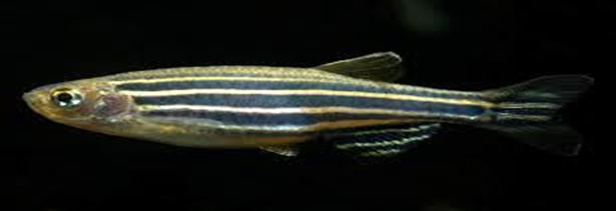
Figure 1: External view of Danio rerio- Entire
Distinctiveness of Experimental Fishes
Zebrafish (Danio rerio) is a widespread scientific model life form for vertebrate studies and gene function. Genetic screenings exposed their vitality. The Zebrafish Information Network (ZFIN) has an online database of genetic, genomic, and developmental information dedicated to this genus. D. rerio is one of the few fish species sent into space. The zebrafish encloses numerous compensations for scientists for the reason that it is positioned as a model biological system. It has a fully sequenced genome with identifiable, obvious developmental qualities. Its embryonic development is rapid, and its embryos are relatively transparent, large, robust, and able to develop outside their mother. They have parallel mammalian evolutionary traits and mutant strains characterized for human toxicity testing. They have a diurnal sleep cycle with similarities to mammalian sleep behavior. Some disadvantages to their scientific use are the absence of a standard diet and the presence of small differences between zebrafish and mammals in the roles of some genes related to human disorders.
Maintenance and Culture of Zebra Fish
Freshwater Zebrafish (D. rerio) was kept with 12h/12h light and dark cycle in a glass tank. The glass aquarium (60 × 30 × 25 cm) was maintained with dechlorinated water. Daily two times they were fed with freeze dried tubefex worms. About 20 fishes were maintained for each set of experiment and acclimatized prior to the experiment at 28 ± 2°C. Triplicate analysis was done for each experiment.
Effect of Fenvalerate on Zebrafish
In the laboratory condition, the fishes were acclimatized for 15 days and made into a control group and five investigational groups (Figure-2). Various concentrations of technical grade fenvalerate (Merck, Bangalore, India-99.9% purity) were added to investigational groups (20µg/L to 100µg/L). To the control group, pesticide was not added. Experiment was carried out up to 96h. Mortality observations were done after 24h, 48h, 72h and 96h correspondingly. Dead fish was counted, registered and removed from the tank immediately. Finally the percentage mortality was tabulated.
Biochemical Impact of Sub-lethal Fenvalerate Concentration in Zebra Fish
For the current biochemical study, freshwater Zebrafish with 3±0.21cm in length and 0.31 ± 0.02 gm in weight were acquired. The selected fishes in glass tank were acclimatized for two weeks. The water change was done daily; fishes were fed with pellets. Exposure to sub-lethal (1/10th of 96th hour LC50) concentration of fenvalerate for one week was provided to the selected experimental group. After that control and experimental animals were subjected for biochemical assays.
Total Protein Estimation from Muscle and Gill
Determination of protein concentrations lies in the reactivity of the peptide nitrogen[s] under alkaline conditions with the copper [II] ions and the succeeding diminution of the Folin-Ciocalteau phosphomolybdic phosphotungstic acid to heteropolymolybdenum blue by the copper-catalyzed oxidation of aromatic acids. The pH of the assay solution should be maintained at 10 - 10.5 because this method is sensitive to pH changes. A variety of compounds interfere include some amino acid derivatives, certain buffers, drugs, lipids, sugars, salts, nucleic acids and sulphydryl reagents by low concentrations of protein. These substances should be removed or diluted before running Lowry assay (1951).
Lipid Estimation from Muscle and Gill
Lipid content of the sample was extracted from 0.5g gill and muscle of Zebrafish was put thrice with chloroform: methanol (2: 1 v/v) according to Mahmoud et al. (2020) 0.1g muscle and gill tissue from the fresh fish were cut, rinsed with distilled water and dried to constant weight in a drying oven (60°C, 24 h). Dried samples were pulverized in a glass blender, homogenized with chloroform: methanol mixture (2:1, v/v), vortex at 2800rpm and filtered. The extract was shaken and equilibrated with about 20% of its volume to a saline solution. The extracted lipids were weighed and the percentage of lipid content was measured.
Sodium Dodecyl Sulphate Polyacrylamide Gel Electrophoresis [SDS- PAGE]
Sodium dodecyl suplhate Polyacrylamide gel electrophoresis (SDS- PAGE) used for the separation of proteins based on their size (Suneetha et al. 2004). Charged molecule will migrate in an electric field towards an electrode with opposite signal. To determine the molecular weight of biological molecules, the mobility of a substance in the gel depends on both charge and size. To overcome this, the biological samples acquire uniform charge and the electrophoretic mobility depends primarily on size. Different protein molecules with different shapes and sizes needs to be denatured (with the aid of SDS) to lose their structural protein disparity. The negatively charged proteins with SDS, when loaded onto a gel placed in an electric field will migrate towards the anode (positively charged electrode) are separated by a molecular sieving effect based on size. The image by a staining (protein-specific) technique calculated by comparing its migration distance with that of a known molecular weight ladder (marker) offered the size of a protein.
Fenvalerate Toxicity to Zebra Fish
In the present study fenvalerate toxicity for Zebrafish was explored. In 20 µg/L concentration, 24th h exposure recorded 55% mortality. 82% mortality was obtained in 96th h of treatment. 62% mortality was registered after 24th h at 40 µg/L and further increased as 94?ter 96h of exposure. At 60 µg/L, 71% mortality was noted initially and it raised 99% at the 96th hour of the trial. In 80 µg/L the mortality rate ranged from 79% to 100%. Finally in 72h and 96h, all fishes were died and registered 100%mortality in 80 µg/L and 100 µg/L of fenvalerate concentration (figure 2).
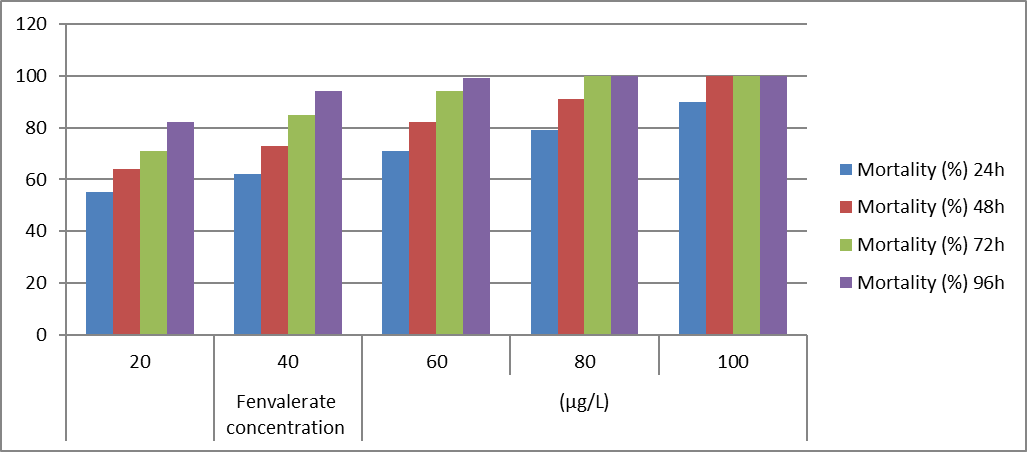
Figure 2: Effect of different (20 – 100 µg/L) concentrations of fenvalerate on Zebrafish at various exposure times
Biochemical Changes Due to Fenvalerate Toxicity
Total protein content of muscle and gill of Zebrafish exposed to sub-lethal fenvalerate concentration (96h)
Total protein content of normal fish gill was 120 ± 1.22 mg/g and it reduced to 118.31± 0.5 mg/g, 117.4 ± 1.8 mg/g, 114.3 ± 2.1 mg/g and 110 ± 1.4 mg/g, after 24, 48, 72 and 96h respectively. The total protein content of the muscle also declined after 96h treatment. In the control fish, total muscle protein was 80.2 ± 1.3 mg/g and it minimized to 78.4 ± 2.4 mg/g, 71.4 ± 2.2 mg/g in subsequent exposure of LC50. After 96h of exposure of fenvalerate, muscle protein was 60± 2.7 mg/g in the Zebrafish (Figure 3).
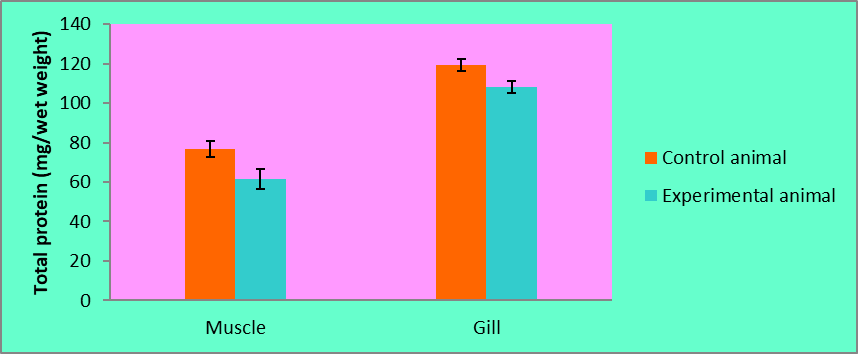
Figure 3 Total protein content of muscle and gill of Zebrafish exposed after 96hrs to sub-lethal fenvalerate concentration
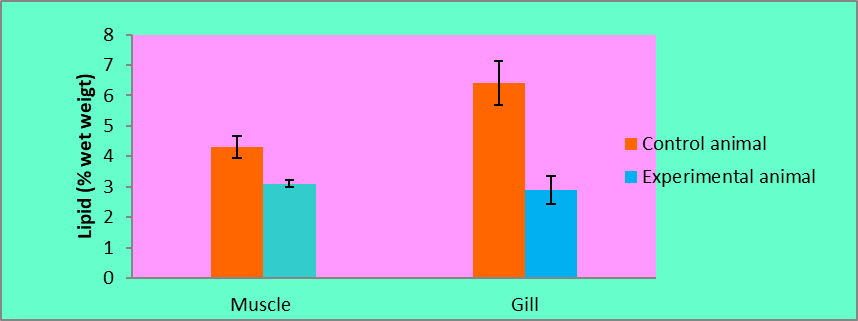
Figure 4: Lipid content of muscle and gill of Zebrafish exposed after 96hrs to sub-lethal fenvalerate concentration
Lipid content of muscle and gill in sub-lethal fenvalerate concentration (96h) exposure
In the present study, the muscle lipid content was 4 ± 0.46% wet weight (Figure 4). It has decreased considerably in muscle of fenvalerate exposed Zebrafish (3.1 ± 0.12% wet weight) for 96h. Compared with lipid from the muscle, the lipid content of gill was dramatically depleted from6.5± 0.22 to 2.5 ± 0.31%.
SDS-PAGE analysis of protein from muscle and gill of Zebrafish exposed to sublethal fenvalerate concentration (96h)
Variations in protein bands between control and experimental group revealed the SDS polyacrylamide gel electrophoresis analysis. Figure 5 showed variations of gill and muscle protein of Zebrafish exposed to fenvalerate. Fenvalerate inhibited the biosynthesis of proteins and induced the synthesis of stress proteins was the reason behind the less intensity in few sub units and appearance of few proteins in experimental samples.
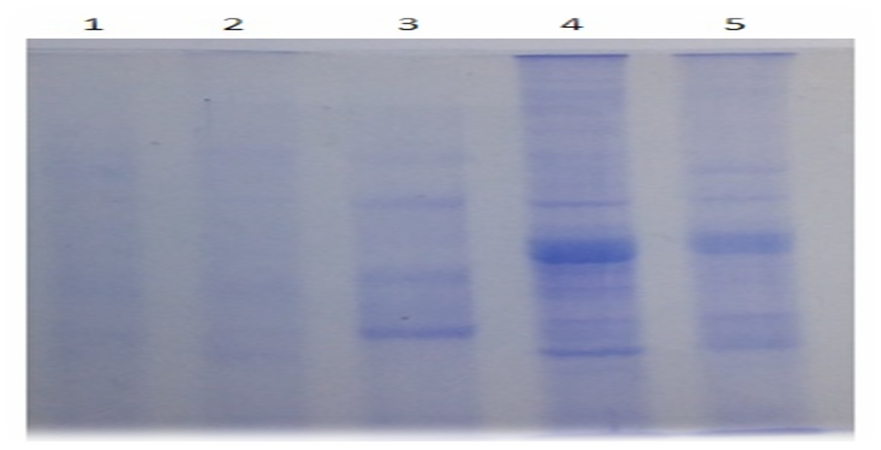
Figure 5 Changes in subunits of protein in gill and body tissues of Zebra fish, exposed to fenvalerate in SDS-PAGE. Lane 1- Normal gill, Lane 2 – Gill exposed to fenvalerate, Lane 3 – protein marker, Lane 4 – Normal muscle, Lane 5 – Fenvalerate exposed muscle.
The important objective of acute toxicity tests revealed stressful and pathological abnormalities lead to short death, which evaluated the concentration of toxic materials that obstructed their physiological tasks. The toxicity of agricultural pesticides is one of the main causes for the drastic decline of fish populations. Death is the chief decisive factor in toxicity experiments because of its obvious determination in ecological and biological significance. (Maheshwari et al. 2001). In a biological system, the immediate pesticide toxic effect of an aquatic environment should be explicated. In the present study, the LC50 value for 96h exposure of fenvalerate to zebrafish was 0.609. This value was almost 10 times lower than that of fishes such as Catla and Rohu. In Cyprinus carpio the LC50 value for 48 h exposure to fenvalerate at pH 8.00 to 8.88 was reported to be 0.0210 mg/L (David et al. 2004).
LC50 study of Clarias batrachus reported the fenvalerate (freshwater catfish) content of 19μg/L by Tripathi and Verma (2004). The acute toxicity (LC50) in 96 h for Catla fingerlings was 6 μg/L (Tandon et al. 2005). Prusty et al. (2011) reported 96h LC50 value for Labeo rohita was reported as 5.36 µg/L. LC50 value of Channa punctatus at 96 h was reported as 2.13 μg L-1 in fenvalerate exposure. Coverage of fenvalerate reported detrimental to biochemical contents on Channa punctatus in swamps (Seth and Saxena, 2003) and Cirrhinus mrigala (Mushigeri and David, 2004).
Normally fishes have less capability to metabolise and send out fenvalerate; thus they are vulnerable even at little concentration. When fish is exposed to toxicants, they readily utilize glycogen reserves for their survival. Water solubility of insecticides and lipophilicity was the key parameters which influence the uptake correlated with the toxicity of insecticides including fenvalerate. Stressed fishes also showed shrinkage in protein content and increase in total amino acids to meet the energy requirements. Uptake of insecticides through the gills, bloodstream causes fish toxicity. (Mahmoud et al. 2020).
In the present study, behavioural changes were observed, while on fenvalerate exposure. Various behavioural changes were registered at sub-lethal and lethal fenvalerate concentration. It includes movement of fishes to the bottom of the aquarium water. Also, noticed excess production of mucus substances from the gills and much dashing the tank wall. These practical behavioural responses were noticed in dimethoate exposed common carp, Cyprinus carpio (Pandey et al. 2009). Again, body colour did not change at lethal or sub-lethal concentration of fenvalerate. Santhakumar and Balaji (2000) found colour change in Anabas testudineus after the fish was exposed to monocrotophos and he reported imbalance in posture, erratic swimming and more surface activity, excess of mucus all over the body and sluggishness. At high concentration of fenvalerate toxicity, restless swimming, imbalances at surface to bottom and unusual surface activity was observed. The surface swimming habit is mainly to gulp maximum possible air to solve stress by the fishes (Mahmoud et al. 2020).
In the present study increased opercular movements were observed which was similar to that of report in Clarias batrachus exposed to herboclin. The high rate of opercular movements in experimental animal may be due to heavy accumulation of mucous on gill tissues due to the toxicant (Amita kiran and Jha, 2009). The changes in behaviour such as irregular swimming, surface swimming and mucous on the gills was noticed when Zebrafish was exposed to fenvalerate indicated pollution of the habitat (Zutshi et al. 2010). In this investigation fenvalerate induced biochemical changes in muscle and gills of Zebra fish, total protein content depleted considerably in gills than in muscle tissue. In gill total protein depletion was about 24.4?ter 96h exposure than control whereas in muscle only 4% total protein content was depleted. Pesticides generally induce various enzymatic and biochemical changes in aquatic organisms especially in fishes (Kumaresan et al. 2019).
Tiwari and Singh (2009) reported the effect of cypermethrin on Labeo rohita showed variations in biochemical composition in fish. In the structural point of view, proteins are vital and involve various biological activities among various types of cells (Bhushan et al. 2002). The decrease of protein level due to pesticide toxicity was reported previously by Mastan and Ramayana (2010). Depletion of total protein content in present findings are in good agreement with previous findings of David et al. (2004), they reported comparable results in Cyprinus carpio with cypermethrin exposure. Kumar and Gopal (2001) reported depleted level of total protein content in the liver of fish exposed with toxicants. In the present study, lipid content was decreased in the muscle of fenvalerate exposed Zebra fish. Compared with muscle lipid, the lipid content of gill was dramatically depleted in the experimental animal. Fat content of Zebrafish was significantly affected by fenvalerate; it was the basis for fat reduction in fishes. Gills are first target to pesticides. In Terapon jarbua, endosulfan affected the lipid content in Terapon jarbua (Abirami et al. 2012). Vinodhini and Narayanan (2008) studied the total lipid profile with pesticide in the liver of common carp Cyprinus carpio L. Zutshi et al. (2010) reported reduction of lipid content in Labeo rohita and, Hanan et al. (2013) studied the impact of pesticide and reported reduced level of lipid in Clarias gariepinus. In this study PAGE was used to analyze the protein profile of fenvalerate treated fish illustrated variations in protein profile between control and fenvalerate exposed animals. In the present study, fenvalerate exposed muscle and gill sample demonstrated least protein intensity in banding pattern compared to control group on PAGE. The variation in the subunit of muscle and gill protein may be manifested in the expression of some of the protein genes or production of stress proteins to survive at toxic conditions. The results of protein are in concurrence with Suneetha et al. (2010) who analyzed changes in protein profile of Labeo rohita induced by fenvalerate. The mechanism of action of fenvalerate and other pesticides may significantly inhibit the expression of genes or may activate other set of genes leads to the production of mRNAs; afterwards which may be translated into stress induced proteins to survive in the stress conditions (Murat et al. 2009).
Dear Editorial Team, Clinical Medical Reviews and Reports. My experience with the journal was highly positive. The peer-review process was rigorous, constructive, and completed in a timely manner. The reviewers provided valuable comments that helped improve the quality and clarity of our manuscript. The editorial office was professional, responsive, and supportive throughout all stages of the publication process. Communication was clear and efficient, and any questions were addressed promptly. Overall, I found the journal to maintain high scientific standards and an excellent publication workflow. I would be pleased to consider submitting future work to this journal. Best wishes from, Elena Popa.

It was my pleasure to submit my testimonial concerning the Reviewer Board of our Scientific Journal “Brain and Neurological Disorders”. The Reviewers focused on some modifications and their contribution was helpful. The ladies of our Editorial Office were also supported my efforts. It was my honor to have such a co-operation and I am looking forward for more collaboration.

Dear Grace Pierce, Editorial Coordinator of Journal of Clinical Research and Reports, Thank you for the speedy and efficient peer review process. I appreciate the fact that your peer reviewers do not take months to respond like with some other journals. I would also like to thank the editorial office for responding quickly to my questions. It is an excellent journal. I plan to submit more manuscripts in the future. Best wishes from, Robert W. McGee

Dear Grace Pierce, Editorial Coordinator of Journal of Clinical Research and Reports, Working with you and your team on our recent publication in JCRR has been a truly wonderful and enjoyable experience. The responses were prompt, and the reviewers were patient, constructive, and highly professional. One reviewer in particular gave me the feeling that a professor was carefully reading and commenting on my coursework, which was deeply touching. The entire process was straightforward and hassle‑free, with no tedious online forms to complete. I highly recommend this journal. Best wishes from, DR Aibing Rao, Head of R&D

I Appreciate the Opportunity to Share my Experience with the Journal of Clinical Research and Reports. The peer review process was timely and constructive, and the feedback provided helped improve the quality of our manuscript. The editorial office was professional, responsive, and supportive throughout the process, ensuring smooth communication and efficient handling of the submission. Overall, it was a positive experience collaborating with your team.

Dear Mercy Grace, Editorial Coordinator of Obstetrics Gynecology and Reproductive Sciences, We would like to express our gratitude for your help at all stages of publishing and editing the article. The editors of the magazine answer all the necessary questions and help at every stage. We will definitely continue to cooperate and publish other works in the Obstetrics Gynecology and Reproductive Sciences! Best wishes from, Alla Konstantinovna Politova,