Research Article | DOI: https://doi.org/10.31579/JRHI-2025/001
1Department of Obstetrics and Gynecology, Abia State University Teaching Hospital, Aba, Nigeria.
2Department of Biochemistry, Lead City University, Ibadan, Oyo State, Nigeria.
*Corresponding Author: Emmanuel M. Akwuruoha, Department of Obstetrics and Gynecology, Abia State University Teaching Hospital, Aba, Nigeria.
Citation: Emmanuel M. Akwuruoha, Augustine I. Airaodion, (2026), Awareness and Prevalence of Polycystic Ovarian Syndrome (PCOS) among Nigerian Women: A Case Study of Abia State, Reproductive Health and Issues, 1(1); DOI:10.31579/JRHI-2025/001
Copyright: © 2025, Emmanuel M. Akwuruoha. This is an open-access article distributed under the terms of The Creative Commons Attribution License, which permits unrestricted use, distribution, and reproduction in any medium, provided the original author and source are credited.
Received: 24 November 2025 | Accepted: 08 December 2025 | Published: 24 December 2025
Keywords: polycystic ovarian syndrome; awareness; prevalence; women’s health
Background: Polycystic ovarian syndrome (PCOS) is a prevalent endocrine disorder among women of reproductive age, often underdiagnosed due to low awareness. Understanding its prevalence and level of awareness is crucial for improving women’s reproductive health in Nigeria.
Materials and Methods: A hospital-based descriptive cross-sectional study was conducted at the Abia State University Teaching Hospital (ABSUTH), Aba, involving 250 women aged 15–49 years. Participants were selected using systematic random sampling. Data were collected through a structured interviewer-administered questionnaire, clinical assessments, and laboratory investigations. Hormonal assays and pelvic ultrasonography were employed to confirm PCOS diagnosis based on the Rotterdam criteria. Data analysis was performed using SPSS version 26, with descriptive and inferential statistics applied; statistical significance was set at p < 0.05.
Results: The mean age of participants was 31.92 ± 7.86 years, with 60.4% having tertiary education and 62.8% residing in urban areas. Awareness of PCOS was generally moderate (48.4%), while 22.8% demonstrated good awareness and 28.8% poor awareness. The media (48.4%) was the most common source of information, followed by healthcare professionals (22.8%). The mean BMI was 27.13 ± 5.41 kg/m², with 32.0% overweight and 16.4% obese. Clinical and hormonal assessments showed significant correlations between BMI, hirsutism (mFG score), and LH/FSH ratio (p < 0.05). The prevalence of PCOS was 9.6% (24/250). Chi-square analysis revealed significant associations between PCOS and BMI category (χ² = 10.66, p = 0.014) as well as place of residence (χ² = 3.87, p = 0.049), but not with age, education, or marital status.
Conclusion: The study revealed a moderate level of awareness and a PCOS prevalence of 9.6% among women in Abia State. Obesity and urban residence were significantly associated with PCOS, highlighting the need for enhanced public health education and targeted interventions to improve awareness, early detection, and management of PCOS in Nigerian women.
Polycystic ovary syndrome (PCOS) is a heterogeneous endocrine disorder and one of the most common conditions affecting women of reproductive age worldwide. It is characterized by variable combinations of oligo- or anovulation, clinical and/or biochemical hyperandrogenism, and polycystic ovarian morphology on ultrasound. The syndrome is pathophysiologically complex and strongly associated with insulin resistance, dyslipidaemia, obesity and adverse cardiometabolic outcomes; its clinical expression and long-term health consequences extend beyond reproductive dysfunction to include increased risks of type 2 diabetes, metabolic syndrome, cardiovascular disease and impacts on mental health such as anxiety and depression. These clinical and metabolic burdens make PCOS an important public-health concern that intersects reproductive, metabolic and psychological health domains [1].
Accurate diagnosis and epidemiological characterization of PCOS are challenged by heterogeneity in presentation and differences in diagnostic criteria. The Rotterdam consensus remains widely used and defines PCOS by the presence of two of three features: oligo-anovulation, hyperandrogenism (clinical or biochemical), and polycystic ovarian morphology (PCOM) on ultrasound. Debate continues around the sensitivity and specificity of each criterion, the utility of ultrasound (especially in adolescents), and standardization of androgen assays. Such methodological variability contributes to the wide range of reported prevalence estimates across populations and complicates comparisons between studies [2].
Globally, the prevalence of PCOS varies markedly by diagnostic criteria and population studied, with estimates commonly ranging from low single digits to over 15% in some settings; this variability reflects true epidemiological diversity as well as differences in case definitions, sampling frames and study methodologies. In Nigeria, recent multicentre and population-based work indicates that PCOS is not uncommon: a national epidemiology project reported an overall prevalence in an unselected reproductive-age Nigerian population of approximately 8.6%, with multiple phenotypes observed and phenotypes reflecting varying combinations of ovulatory dysfunction, hyperandrogenism and ovarian morphology. These findings suggest that PCOS represents a substantive reproductive-endocrine health issue for Nigerian women and highlight the need for locally relevant data to better target screening, diagnosis and management strategies [3].
Despite emerging national-level data, there remains a paucity of robust sub-national studies that quantify both the prevalence and public awareness of PCOS across Nigeria’s diverse states and communities. Subnational epidemiological data are essential because prevalence, phenotype distribution and associated comorbidities may vary with ethnicity, urbanization, socioeconomic status, nutritional patterns and access to healthcare—factors that differ considerably across Nigerian states. Where localized studies do exist, they often focus on clinic-based samples (for example, women seeking infertility care), or specific subpopulations such as university students, which may overestimate or underestimate population prevalence when extrapolated to the general community. The limited availability of state-level prevalence estimates and contemporaneous data on PCOS awareness impedes the design of contextually appropriate public-health interventions, educational programs and clinical pathways in many regions [4].
Awareness and knowledge about PCOS among women and healthcare consumers are critical determinants of timely care-seeking, early diagnosis and adoption of lifestyle or medical therapies that can mitigate both reproductive and metabolic complications. Internationally and in low- and middle-income settings, studies of awareness among adolescents, university students, and reproductive-age women reveal variable knowledge levels and common misconceptions about symptoms, causes and long-term risks; such knowledge gaps may delay diagnosis and contribute to psychological distress. In Nigeria, several surveys and small studies have documented inconsistent awareness and variable sources of information (peers, social media, and health professionals), underscoring the need to assess awareness comprehensively at a community and state level to inform targeted health education and service planning [5].
Abia State, like many sub-national units in Nigeria, has specific sociodemographic and health-system characteristics—including a mix of urban and rural populations, variable access to specialist reproductive health services, and diverse health literacy—that may influence both the true prevalence of PCOS and the level of public awareness. To date, there are limited published epidemiologic studies explicitly focused on Abia State that combine community-based prevalence estimation with systematic measures of awareness and health-seeking behaviour. This gap constrains policymakers, clinicians and public-health practitioners from tailoring preventive, diagnostic and management strategies that account for local needs. A focused study in Abia State will therefore provide critical, actionable evidence on disease burden and community awareness, inform state-level reproductive and metabolic health planning, and serve as a model for similar sub-national assessments in Nigeria [6].
Given the burden of reproductive dysfunction and cardiometabolic comorbidity associated with PCOS, as well as the documented variability in awareness and diagnostic practice, research that measures both prevalence and awareness at the state level is justified. A combined epidemiological and awareness assessment in Abia State will bridge current knowledge gaps by estimating community prevalence using standardized diagnostic approaches, characterizing phenotype distribution and metabolic correlates, and quantifying awareness, attitudes and care-seeking patterns among women. The results will support the development of locally appropriate education, screening and management algorithms and help integrate PCOS considerations into broader women’s health and non-communicable disease strategies in Abia State and comparable settings across Nigeria.
Study Area
This study was carried out at the Abia State University Teaching Hospital (ABSUTH), Aba, Nigeria. ABSUTH is a tertiary healthcare institution located in Aba South Local Government Area of Abia State, in the South-East geopolitical zone of Nigeria. The hospital serves as a referral centre for primary and secondary health facilities across Abia State and neighboring states. The Obstetrics and Gynaecology Department of ABSUTH, which provides services to women of reproductive age, was chosen as the study site due to its large patient turnover and specialized care in women’s health.
Study Design
The study adopted a hospital-based descriptive cross-sectional design to assess both the awareness and prevalence of polycystic ovarian syndrome (PCOS) among women attending the gynaecology and general outpatient clinics of ABSUTH.
Study Population
The study population consisted of women of reproductive age (15–49 years) who attended ABSUTH during the study period. Both outpatients and women presenting for gynaecological consultations were included, irrespective of their presenting complaints.
Inclusion Criteria
Exclusion Criteria
Sample Size Determination
The sample size was determined using Cochran's formula for estimating population proportions, as outlined by Akwuruoha et al [7].
n = 
The formula components are defined as follows:
q = 1 - p
A recent study conducted by Ugwu et al. [8] reported the prevalence of PCOS in Southeast Nigeria as 18.1%
P = 18.1% = 0.181
q = 1 – 0.181
= 0.819
n = 
n = 
n =  = 227.79
The minimum sample size was 228, but it was adjusted to 250 to account for a 10% non-response rate.
Sampling Technique
A systematic random sampling technique was used. Using the ANC attendance register, the sampling interval was determined by dividing the estimated number of eligible pregnant women attending ANC during the study period by the required sample size [9]. The first participant was selected randomly, and every 5th eligible woman was subsequently recruited until the sample size was attained.
1. Structured Questionnaire
A pretested, interviewer-administered structured questionnaire was used to collect data. The questionnaire had four sections:
2. Clinical Assessment
A focused physical examination was conducted, which included:
3. Laboratory Investigations
To establish the prevalence of PCOS, participants with clinical features suggestive of PCOS underwent confirmatory tests:
Data collection was carried out over a 3-month period. Trained research assistants (nurses and resident doctors) administered the questionnaires and assisted with anthropometric measurements. Blood samples were collected under aseptic conditions by qualified laboratory scientists, and hormonal assays were analyzed at the ABSUTH laboratory using ELISA kits. Ultrasonographic evaluations were performed by a certified radiologist.
Validity and Reliability
Content validity of the questionnaire was ensured through expert review by gynecologists, endocrinologists, and public health specialists. A pilot study involving 20 women was conducted at Aba General Hospital to pretest the instrument. Necessary adjustments were made before final administration. Reliability testing using Cronbach’s alpha yielded a coefficient of 0.81, indicating high internal consistency.
Data Management and Analysis
Completed questionnaires were checked daily for completeness. Data were coded and entered into Statistical Package for the Social Sciences (SPSS) version 26.0. Descriptive statistics (frequencies, percentages, means, and standard deviations) were used to summarize awareness levels and socio-demographic data. Inferential statistics such as the Chi-square test and logistic regression analysis were employed to determine associations between awareness, prevalence, and socio-demographic variables. A p-value < 0>
Ethical Considerations
Written informed consent was obtained from all participants after explaining the purpose, procedures, potential risks, and benefits of the study. Confidentiality and anonymity were maintained throughout the study. Participants diagnosed with PCOS were counselled and referred to the gynaecology unit for appropriate management.
The socio-demographic profile of participants shows that the majority were aged 25–34 years (36.8%), married (64.4%), attained tertiary education (60.4%), employed in the formal sector (48.4%), resided in urban areas (62.8%), and were predominantly multiparous (42.4%) (Table 1).
Awareness of polycystic ovary syndrome (PCOS) was generally fair, as most participants agreed that PCOS causes infertility (65.6%), irregular menstruation is a symptom (75.2%), excessive hair growth is associated with the condition (68.0%), obesity increases its risk (66.8%), and that it can be managed with lifestyle modification (70.4%) (Table 2). Overall awareness levels showed that nearly half of the respondents had moderate awareness (48.4%), followed by poor awareness (28.8%) and good awareness (22.8%) (Figure 1). Media sources were the most common source of information (48.4%), followed by healthcare professionals (22.8%), peers/family (19.6%), and internet/social media (9.2%) (Figure 2).
Anthropometric and clinical variables revealed a mean age of 31.92 ± 7.86 years, BMI of 27.13 ± 5.41 kg/m², waist–hip ratio of 0.86 ± 0.07, and mFG score of 6.84 ± 3.91 (Table 3). The BMI distribution showed that nearly half of the respondents had normal BMI (46.8%), while 32.0% were overweight and 16.4% obese (Table 4). Hormonal assay results showed mean LH 6.21 ± 2.14 IU/L, FSH 5.12 ± 1.87 IU/L, LH/FSH ratio 1.22 ± 0.54, testosterone 0.58 ± 0.21 ng/mL, and prolactin 12.45 ± 5.32 ng/mL (Table 5).
The prevalence of PCOS based on Rotterdam criteria was 9.6% among participants (Figure 3). Correlation analysis indicated weak but significant positive associations between BMI and mFG score (r = 0.28, p < 0 xss=removed xss=removed xss=removed xss=removed>
Chi-square analysis demonstrated that BMI category was significantly associated with PCOS (χ² = 10.66, p = 0.014), with obesity contributing to more cases. Residence also showed a borderline significant association with PCOS (χ² = 3.87, p = 0.049), with higher prevalence in urban participants. However, age group, education level, and marital status did not show significant associations with PCOS (Table 7).
| Variable | Category | Frequency (n = 250) | Percentage (%) |
| Age | 15–24 years | 49 | 19.60 |
| 25–34 years | 92 | 36.80 | |
| 35–44 years | 71 | 28.40 | |
| 45–49 years | 38 | 15.20 | |
| Total | 250 | 100.00 | |
| Marital Status | Single | 57 | 22.80 |
| Married | 161 | 64.40 | |
| Divorced | 9 | 3.60 | |
| Widowed | 3 | 1.20 | |
| Cohabiting | 20 | 8.00 | |
| Total | 250 | 100.00 | |
| Educational Level | No formal education | 5 | 2.00 |
| Primary education | 26 | 10.40 | |
| Secondary education | 68 | 27.20 | |
| Tertiary education | 151 | 60.40 | |
| Total | 250 | 100.00 | |
| Occupation | Employed (formal) | 121 | 48.40 |
| Unemployed | 49 | 19.60 | |
| Student | 26 | 10.40 | |
| Self-employed | 45 | 18.00 | |
| Homemaker | 9 | 3.60 | |
| Total | 250 | 100.00 | |
| Residence | Urban | 157 | 62.80 |
| Rural | 93 | 37.20 | |
| Total | 250 | 100.00 | |
| Parity | Nulliparous | 78 | 31.20 |
| Primiparous | 66 | 26.40 | |
| Multiparous | 106 | 42.40 | |
| Total | 250 | 100.00 |
Table 1: Socio-demographic characteristics
| Awareness Item | Strongly Disagree n (%) | Disagree n (%) | Neutral n (%) | Agree n (%) | Strongly Agree n (%) |
| PCOS causes infertility | 18 (7.2) | 27 (10.8) | 41 (16.4) | 96 (38.4) | 68 (27.2) |
| Irregular menstruation is a symptom of PCOS | 9 (3.6) | 15 (6.0) | 38 (15.2) | 104 (41.6) | 84 (33.6) |
| Excessive hair growth (hirsutism) is associated with PCOS | 12 (4.8) | 21 (8.4) | 47 (18.8) | 102 (40.8) | 68 (27.2) |
| Obesity increases risk of PCOS | 16 (6.4) | 25 (10.0) | 42 (16.8) | 101 (40.4) | 66 (26.4) |
| PCOS can be managed with lifestyle modification | 11 (4.4) | 19 (7.6) | 44 (17.6) | 109 (43.6) | 67 (26.8) |
Table 2: Awareness of PCOS

Figure 1: Awareness Level of PCOS
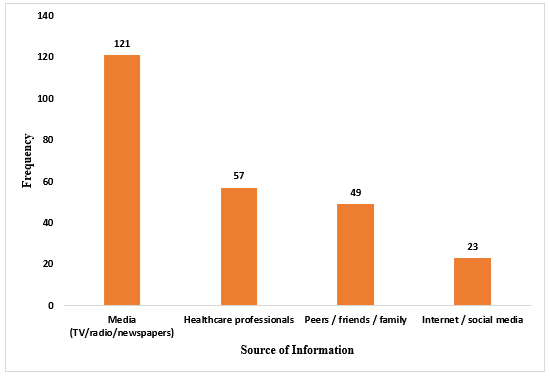
Figure 2: Sources of information on PCOS
| Variable | Mean ± SD |
| Age (years) | 31.92 ± 7.86 |
| Body mass index (kg/m²) | 27.13 ± 5.41 |
| Waist-hip ratio | 0.86 ± 0.07 |
| Modified Ferriman–Gallwey score (mFG) | 6.84 ± 3.91 |
Table 3: Anthropometric and Clinical Continuous Variables
| BMI category | Frequency | Percentage (%) |
| Underweight (BMI < 18> | 12 | 4.80 |
| Normal (BMI 18.5–24.9) | 117 | 46.80 |
| Overweight (BMI 25.0–29.9) | 80 | 32.00 |
| Obese (BMI ≥ 30) | 41 | 16.40 |
| Total | 250 | 100.00 |
Table 4: Anthropometric categories (BMI)
| Hormone / ratio | Mean ± SD |
| LH (IU/L) | 6.21 ± 2.14 |
| FSH (IU/L) | 5.12 ± 1.87 |
| LH/FSH ratio | 1.22 ± 0.54 |
| Total testosterone (ng/mL) | 0.58 ± 0.21 |
| Prolactin (ng/mL) | 12.45 ± 5.32 |
Table 5: Hormonal assay of Participants
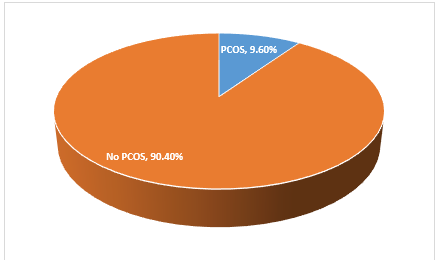
Figure 3: Prevalence of PCOS (diagnosed using Rotterdam criteria)
| Variable pair | Pearson r | p-value |
| BMI vs mFG score | 0.28 | <0> |
| BMI vs LH/FSH ratio | 0.22 | 0.001 |
| mFG score vs LH/FSH ratio | 0.31 | <0> |
| Age vs BMI | 0.12 | 0.060 |
| Age vs mFG score | 0.02 | 0.780 |
| Awareness score vs Education level | 0.47 | <0> |
| Awareness score vs Age | -0.05 | 0.420 |
Table 6: Correlation analysis (Pearson’s r) of selected continuous variables
| Categorical variable | χ² | df | p-value |
| Age group (15–24, 25–34, 35–44, 45–49) vs PCOS | 2.77 | 3 | 0.429 |
| BMI category vs PCOS | 10.66 | 3 | 0.014* |
| Residence (Urban / Rural) vs PCOS | 3.87 | 1 | 0.049* |
| Education level vs PCOS | 0.80 | 3 | 0.850 |
| Marital status vs PCOS | 1.05 | 4 | 0.903 |
Table 7: Chi-square analysis (associations between PCOS status and categorical variables) Values are significantly different at p<0>
In our study, the age distribution of participants showed that the largest proportion fell within the 25–34 years bracket (36.8%), followed by the 35–44 years bracket (28.4%) and the 15–24 years bracket (19.6%). This age pattern is broadly consistent with reproductive-age sampling in many PCOS epidemiological studies, as the highest-risk window often lies in the mid-to-late reproductive years. For example, the Nigeria-PEP (Nigeria PCOS Epidemiology & Phenotype) study similarly recruited women in comparable reproductive age bands [11].
Regarding marital status, most respondents (64.4 %) were married, with a smaller proportion single (22.8 %) or cohabiting (8.0 %). Educational attainment was high, with 60.4 % having a tertiary education, while only 2 % had no formal education. Employment patterns reflected a mixed economy: 48.4 % in formal employment, 18 % self-employed, while nearly 20 % unemployed and 10.4 % students. In terms of place of r sidence, 62.8 % lived in urban settings, 37.2 % rural; parity distribution showed 31.2 % nulliparous, 26.4 % primiparous, and 42.4 % multiparous.
These socio-demographic features are relevant both for interpreting awareness levels and for exploring risk correlates of PCOS. The relatively high level of tertiary education in our sample might predispose individuals toward better health literacy and awareness compared to the general population. However, selection bias (e.g. sampling from health facilities or better-connected communities) might partially account for this.
Our awareness assessment revealed that substantial proportions of women recognized key features of PCOS: for instance, 38.4 % agreed and 27.2 % strongly agreed that PCOS can cause infertility (i.e. total ~65.6 % agreement), 41.6 % agreed and 33.6 % strongly agreed that irregular menstruation is a symptom (~75.2 % agreement), 40.8 % agreed and 27.2 % strongly agreed that excessive hair growth associates with PCOS (~68.0 % agreement), and similar levels for obesity as risk and lifestyle management as option. Using these items, we classified overall awareness levels, finding 22.8 % had “good awareness,” 48.4 % “moderate awareness,” and 28.8 % “poor awareness.”
These results suggest that while a fair portion of women are aware of major symptoms or risk factors of PCOS, deep or comprehensive knowledge is modest. The strong associations (e.g. between awareness and education: Pearson r = 0.47, p < 0>
Comparatively, previous Nigerian and African studies have often reported lower levels of awareness or knowledge gaps. For instance, Olotu & Okon [12] surveyed female undergraduates and found that about 35 % of respondents “had no idea what PCOS was or how it develops.” In other settings, surveys of general female populations often reveal that many women confuse PCOS with other menstrual disorders or do not know its metabolic implications. Many studies have also pointed out that because PCOS is underdiagnosed and underemphasized in reproductive health education, knowledge remains patchy in low-resourced settings [13].
That we observed nearly half of respondents in a “moderate” awareness category suggests some improvement (perhaps due to mass media, increasing internet/social media penetration, or reproductive health campaigns), but the 28.8 % with poor awareness indicates that large gaps remain. The distribution of information sources corroborates this: nearly half (48.4 %) cited media (TV/radio/newspapers), only 22.8 % cited healthcare professionals, 19.6 % peers/family, and 9.2 % internet. The relatively modest role of healthcare professionals signals a lost opportunity for provider-based education. These patterns emphasize the need to strengthen reproductive health education (through formal health services, community outreach, and mass media) to ensure better recognition, early consultation, and timely diagnosis of PCOS.
In our sample, the mean age was 31.92 ± 7.86 years, mean BMI 27.13 ± 5.41 kg/m², and waist–hip ratio 0.86 ± 0.07. The mean modified Ferriman–Gallwey (mFG) score was 6.84 ± 3.91. In terms of BMI categories, 4.8 % were underweight, 46.8 % normal weight, 32.0 % overweight, and 16.4 % obese. Hormonal assays showed mean LH 6.21 ± 2.14 IU/L, FSH 5.12 ± 1.87 IU/L, LH/FSH ratio 1.22 ± 0.54, total testosterone 0.58 ± 0.21 ng/mL, and prolactin 12.45 ± 5.32 ng/mL.
These anthropometric and biochemical values are comparable to those of many PCOS and general reproductive age cohorts. The mean BMI of ~27 kg/m² places the average participant in the “overweight” category, reflecting a trend toward elevated body weight in reproductive-aged women in Nigeria and elsewhere. For comparison, the Nigeria-PEP study reported a mean BMI of 26.6 (±9.2) in their community cohort [11]. Many other PCOS cohorts elsewhere report average BMIs in the overweight-to-obese range [14].
That roughly one-third of our respondents were overweight and 16.4 % obese aligns with global observations that overweight/obesity is common in women of reproductive age and particularly among those with PCOS risk. Indeed, some authors have noted that more than half of women with PCOS are overweight or obese, and that weight loss is often a frontline management recommendation [12]. The waist–hip ratio average of 0.86 also suggests moderate central adiposity, known to correlate with metabolic risk.
The average mFG of ~6.8 indicates mild-to-moderate hirsutism in many respondents, though individual variability likely exists. In many studies of PCOS, the presence of hirsutism as measured by mFG is a key clinical marker. The hormonal parameters—particularly the LH/FSH ratio average of 1.22—are within what might be expected in many women, though not dramatically elevated. The literature often finds elevated LH or elevated LH:FSH ratio in PCOS populations, though this is variable across phenotypes and ethnic groups [14]. For instance, some Nigerian PCOS studies have observed significantly higher LH levels and LH:FSH ratios in PCOS subjects compared to controls [15]. Thus, while our hormonal findings are not extreme, they suggest the presence of mild to moderate endocrine perturbations in the sample, consistent with the somewhat low prevalence (next section) and with the heterogeneous nature of PCOS phenotypes.
Using the Rotterdam criteria, we diagnosed PCOS in 24 of 250 participants, yielding a prevalence of 9.60 %. The remaining 226 (90.40 %) did not meet the diagnostic threshold. Our observed prevalence is broadly in line with many community-based estimates. Globally, PCOS prevalence is often reported in the range 5–20 %, depending on the population, diagnostic criteria, and ascertainment method [14]. In Nigeria, published prevalence figures have varied. For example, the Nigeria-PEP study (community-based) reported a prevalence of ~8.6 % in unselected Nigerian reproductive-aged women [11]. Earlier hospital-based studies in Nigerian infertile populations have reported higher rates (e.g. 12.2 %, 16.7 %) using Rotterdam or related criteria [15]. The discrepancy is expected: infertile clinic populations tend to have enriched disease prevalence relative to general populations.
For instance, in Enugu, Nigeria, a study of infertile women reported PCOS prevalence estimates in the 12–18 % range [15]. Our lower community-level prevalence suggests that a majority of women do not manifest full-blown PCOS under the diagnostic criteria, but a nontrivial minority do—and many might remain undiagnosed or subclinical. It is also worth noting that phenotype distribution matters. In some populations (including African), the milder or "non-hyperandrogenic" PCOS phenotypes may predominate, which may reduce overt biochemical or clinical detection. The Nigeria-PEP study, for instance, found that non-hyperandrogenic (phenotype D) PCOS was relatively common [11]. Our result may partly reflect a mixture of phenotypes with milder endocrine disruption, which may be harder to detect without detailed assays or imaging. The prevalence we observed (9.6 %) is thus plausible, and falls in the lower-to-middle range of what has been documented in Nigeria and elsewhere. It underscores that while not extremely common, PCOS is present at appreciable levels in Abia State, warranting attention.
In this study, we also examined correlations among anthropometric, clinical and endocrine variables and tested categorical associations with PCOS status. Our Pearson correlation and chi-square results largely align with established pathophysiology and with findings from several prior studies, while also highlighting features that appear sample-specific.
We found a weak-to-moderate positive correlation between body mass index (BMI) and hirsutism severity (mFG score) (r = 0.28, p < 0>
BMI also showed a weak positive correlation with the LH:FSH ratio (r = 0.22, p = 0.001). Several studies have reported altered gonadotropin patterns in PCOS and have investigated how obesity modifies these patterns. Some reports describe increased LH: FSH with greater adiposity, while others find either no clear relationship or even an inverse association depending on the cohort and the degree of insulin resistance present [18]. Our finding of a modest positive relationship suggests that, in our cohort, higher BMI was accompanied by a slight elevation in gonadotrophin imbalance; this could reflect the combined effects of obesity-driven hyperinsulinaemia and ovarian dysfunction on hypothalamic–pituitary signalling, but inter-study differences in sample selection and timing of hormonal assays mean this relationship should be interpreted cautiously [18].
Hirsutism (mFG score) correlated more strongly with LH:FSH ratio (r = 0.31, p < 0>
Age demonstrated only weak or null relationships with BMI and mFG score in our sample (Age vs BMI: r = 0.12, p = 0.060; Age vs mFG: r = 0.02, p = 0.780). The non-significant trend toward higher BMI with advancing reproductive age is biologically plausible, given age-associated metabolic changes, but our data did not show a statistically reliable increase. Similarly, hirsutism severity did not vary meaningfully across the 15–49-year span in this cohort, a finding that aligns with some prior reports that document little or inconsistent age dependence for hirsutism once reproductive age is considered [19]. Differences in age distributions and phenotype composition across studies likely explain why some series report age-related changes in endocrine or clinical features while others do not.
Health awareness in our participants showed a moderate positive correlation with education level (r = 0.47, p < 0 xss=removed xss=removed>
Chi-square analyses of categorical variables reinforced the importance of adiposity. BMI category was significantly associated with PCOS status (χ² = 10.66, df = 3, p = 0.014); the obese stratum carried a disproportionate share of PCOS cases (≈22% in the obese group versus lower proportions in other strata). This is concordant with large observational series and meta-analyses that document a higher prevalence of overweight and obesity among women with PCOS and an increased cardiometabolic risk burden in obese PCOS subgroups [16, 21]. The relationship between obesity and PCOS is likely bidirectional, obesity exacerbates the metabolic and reproductive phenotypes of PCOS, while PCOS-associated metabolic dysfunction may predispose to weight gain, which supports the public-health emphasis on weight management in PCOS care [16, 21].
We observed a borderline association between urban residence and PCOS (χ² = 3.87, df = 1, p = 0.049) with higher case frequency among urban dwellers (12.7% urban vs 4.3% rural). Urban–rural differences in PCOS prevalence have been reported in several settings and are commonly attributed to lifestyle factors (dietary patterns, sedentary behaviour), higher obesity prevalence in urban populations, differences in environmental exposures, and disparities in access to diagnostic services that influence case detection [19]. While our finding is consistent with an urban excess, it is important to note that detection bias (greater health-seeking or diagnostic access in urban areas) could contribute to the observed difference as much as true etiologic variation.
Education level and marital status were not significantly associated with PCOS status in our sample. The absence of an association between education and PCOS, despite the strong education–awareness link, suggests that while education improves knowledge and possibly health behaviour, it does not directly alter underlying disease risk within the constraints of our cross-sectional design. Similarly, marital status did not stratify PCOS prevalence, which aligns with prior reports showing mixed or no relationships between marital status and PCOS when sociodemographic confounders are considered.
Strengths of our analysis include the concurrent assessment of clinical, anthropometric and endocrine measures and the use of both correlation and categorical association tests to probe relationships. Limitations include the cross-sectional design, which precludes causal inference; possible selection bias related to the recruitment setting; and potential residual confounding (for example, by ethnicity, phenotype subgroup, or unmeasured metabolic variables such as insulin resistance) that may modulate the observed associations. Additionally, heterogeneity in hormonal assay timing and single-timepoint sampling may attenuate relationships with pulsatile hormones such as LH.
In Abia State, Nigeria, we found a PCOS prevalence of 9.6 %, modest awareness levels, and significant links with obesity and urban residence. Our findings reinforce the link between obesity and PCOS and show that hirsutism is more tightly associated with gonadotrophin imbalance than with BMI per se. Education emerged as an important determinant of PCOS awareness, while urban residence may convey higher PCOS prevalence or detection. These results support integrated clinical approaches that address weight management, endocrine evaluation and targeted health education to improve recognition and management of PCOS. Our findings are broadly consonant with Nigerian and broader African literature, though region-specific nuances (e.g. urban–rural differences, educational influences) emerge. The results underscore the need for enhanced public education, screening strategies tied to adiposity risk, and health system strengthening to detect and manage PCOS early—especially because of its potential long-term reproductive and metabolic consequences. Future research should further delineate PCOS phenotypes in Nigeria and assess intervention outcomes in this context.
Dear Editorial Team, Clinical Medical Reviews and Reports. My experience with the journal was highly positive. The peer-review process was rigorous, constructive, and completed in a timely manner. The reviewers provided valuable comments that helped improve the quality and clarity of our manuscript. The editorial office was professional, responsive, and supportive throughout all stages of the publication process. Communication was clear and efficient, and any questions were addressed promptly. Overall, I found the journal to maintain high scientific standards and an excellent publication workflow. I would be pleased to consider submitting future work to this journal. Best wishes from, Elena Popa.

It was my pleasure to submit my testimonial concerning the Reviewer Board of our Scientific Journal “Brain and Neurological Disorders”. The Reviewers focused on some modifications and their contribution was helpful. The ladies of our Editorial Office were also supported my efforts. It was my honor to have such a co-operation and I am looking forward for more collaboration.

Dear Grace Pierce, Editorial Coordinator of Journal of Clinical Research and Reports, Thank you for the speedy and efficient peer review process. I appreciate the fact that your peer reviewers do not take months to respond like with some other journals. I would also like to thank the editorial office for responding quickly to my questions. It is an excellent journal. I plan to submit more manuscripts in the future. Best wishes from, Robert W. McGee

Dear Grace Pierce, Editorial Coordinator of Journal of Clinical Research and Reports, Working with you and your team on our recent publication in JCRR has been a truly wonderful and enjoyable experience. The responses were prompt, and the reviewers were patient, constructive, and highly professional. One reviewer in particular gave me the feeling that a professor was carefully reading and commenting on my coursework, which was deeply touching. The entire process was straightforward and hassle‑free, with no tedious online forms to complete. I highly recommend this journal. Best wishes from, DR Aibing Rao, Head of R&D

I Appreciate the Opportunity to Share my Experience with the Journal of Clinical Research and Reports. The peer review process was timely and constructive, and the feedback provided helped improve the quality of our manuscript. The editorial office was professional, responsive, and supportive throughout the process, ensuring smooth communication and efficient handling of the submission. Overall, it was a positive experience collaborating with your team.

Dear Mercy Grace, Editorial Coordinator of Obstetrics Gynecology and Reproductive Sciences, We would like to express our gratitude for your help at all stages of publishing and editing the article. The editors of the magazine answer all the necessary questions and help at every stage. We will definitely continue to cooperate and publish other works in the Obstetrics Gynecology and Reproductive Sciences! Best wishes from, Alla Konstantinovna Politova,